Mise en place is essential
Prep and portion sauces, chopped vegetables and proteins before cooking. High‑heat stir‑frying and quick frying depend on having everything ready at the right time.
Playlist · 9 videos
A focused playlist of Chinese and Indo‑Chinese home recipes that covers noodles, fried rice, dumplings, gravies and fried snacks while teaching core techniques like high‑heat stir‑frying, batter frying and sauce finishing.
This playlist gathers practical, home‑friendly Chinese and Indo‑Chinese recipes suited to everyday meals and small gatherings. Recipes include vegetarian and non‑vegetarian options, quick lunchbox ideas and restaurant‑style preparations adapted for a home kitchen. Videos emphasize accessible ingredients, clear technique demonstrations, and straightforward timing so cooks at different skill levels can follow confidently.
The collection spans appetizers, snacks, noodle and rice mains, dumplings, and saucy gravies — examples include Manchurian, Schezwan fried rice, momos with chutney, spring rolls, chilli chicken and soya‑based dishes. Across videos you'll find demonstrations of high‑heat stir‑frying for wok‑seared flavor, batter and coating methods for crisp textures, frying best practices, and step‑by‑step sauce preparation to balance savory, spicy and tangy notes. The playlist is organized so viewers can learn transferable skills (mise en place, heat control, sauce thickening, vegetable handling) and apply them across multiple recipes to build confidence making Indo‑Chinese food at home.
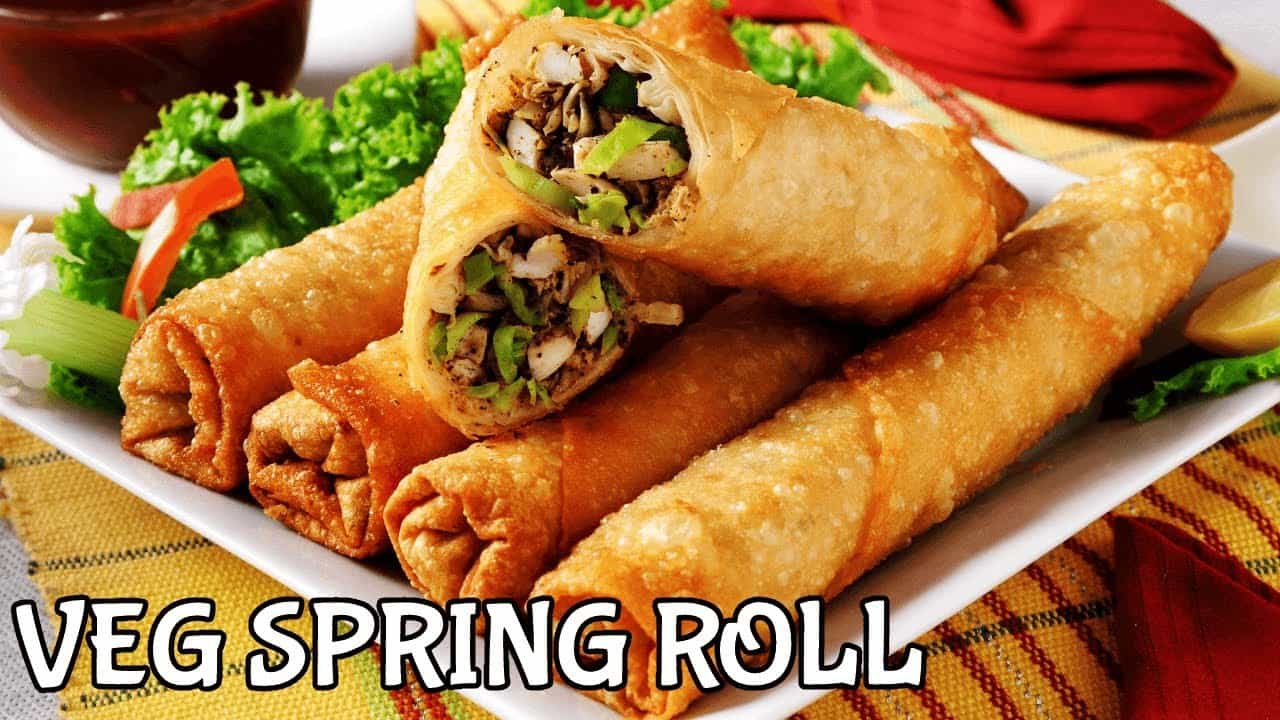
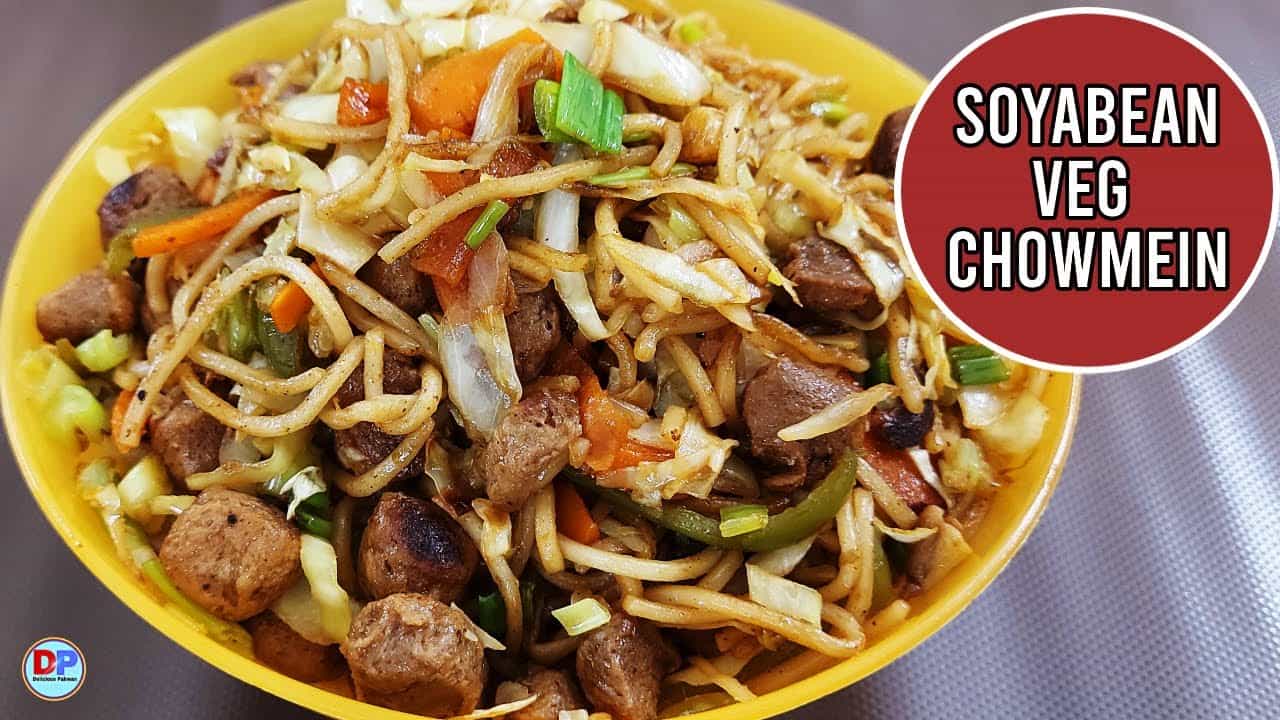
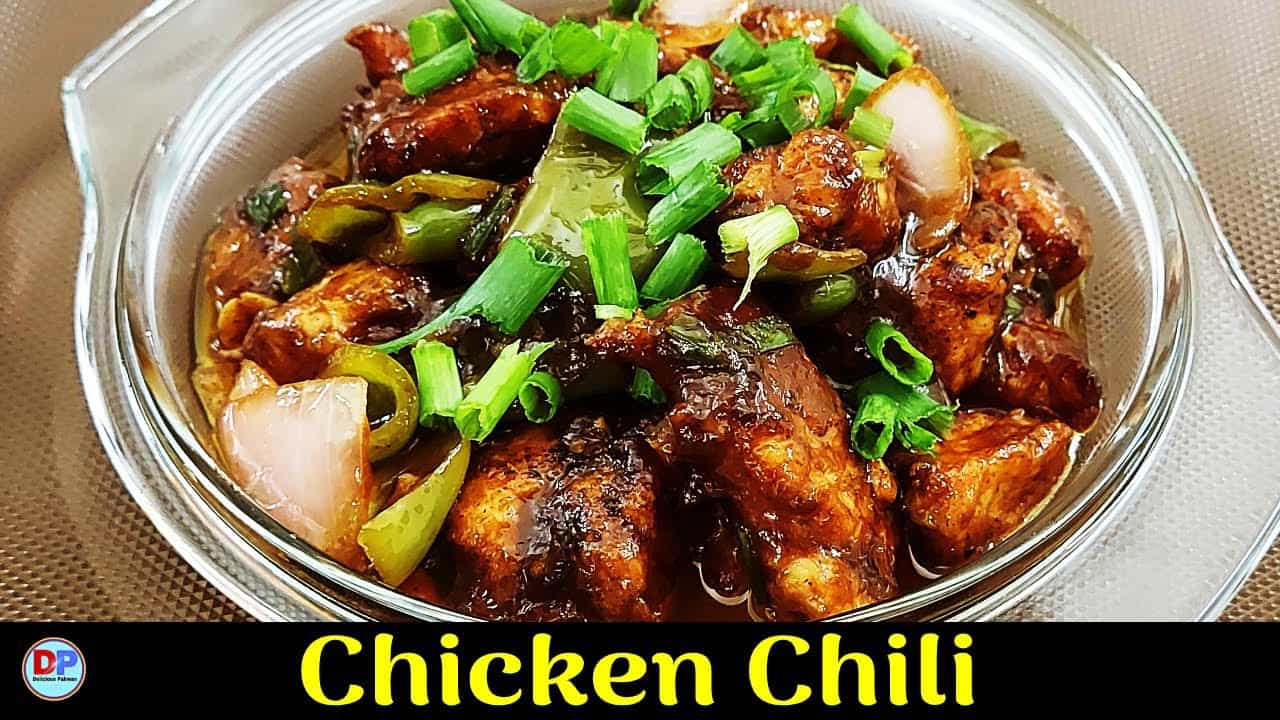
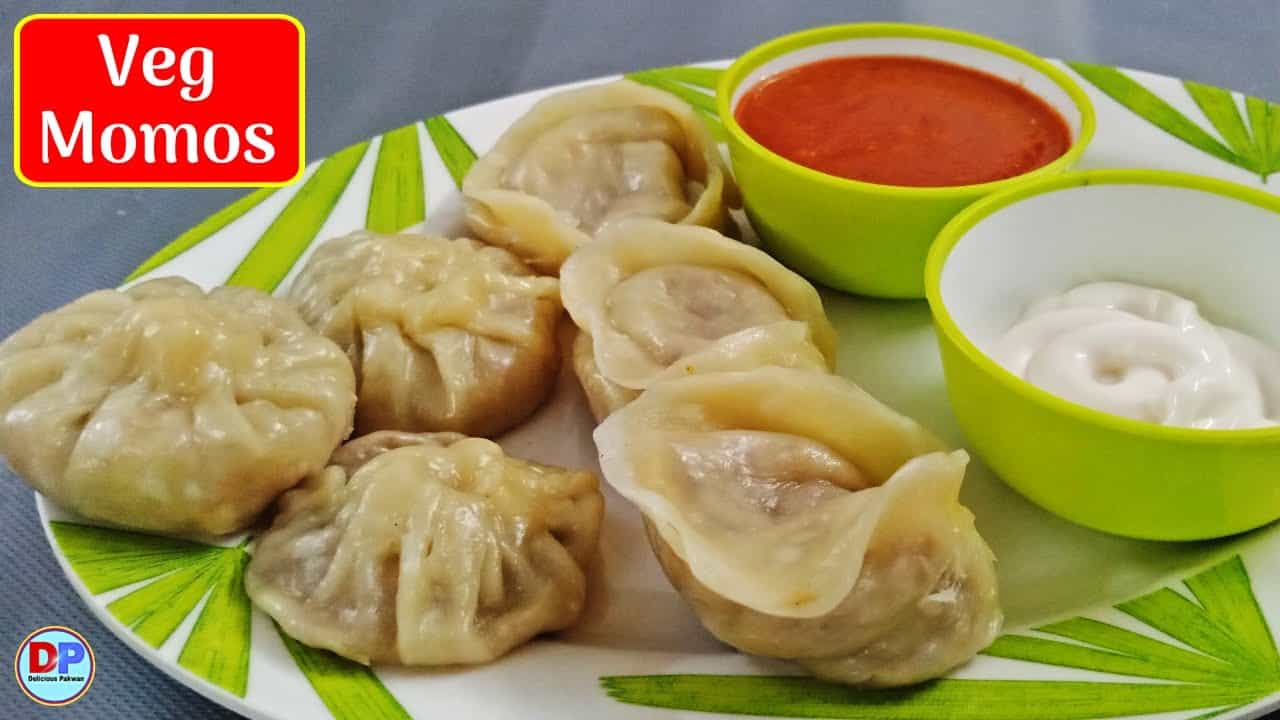
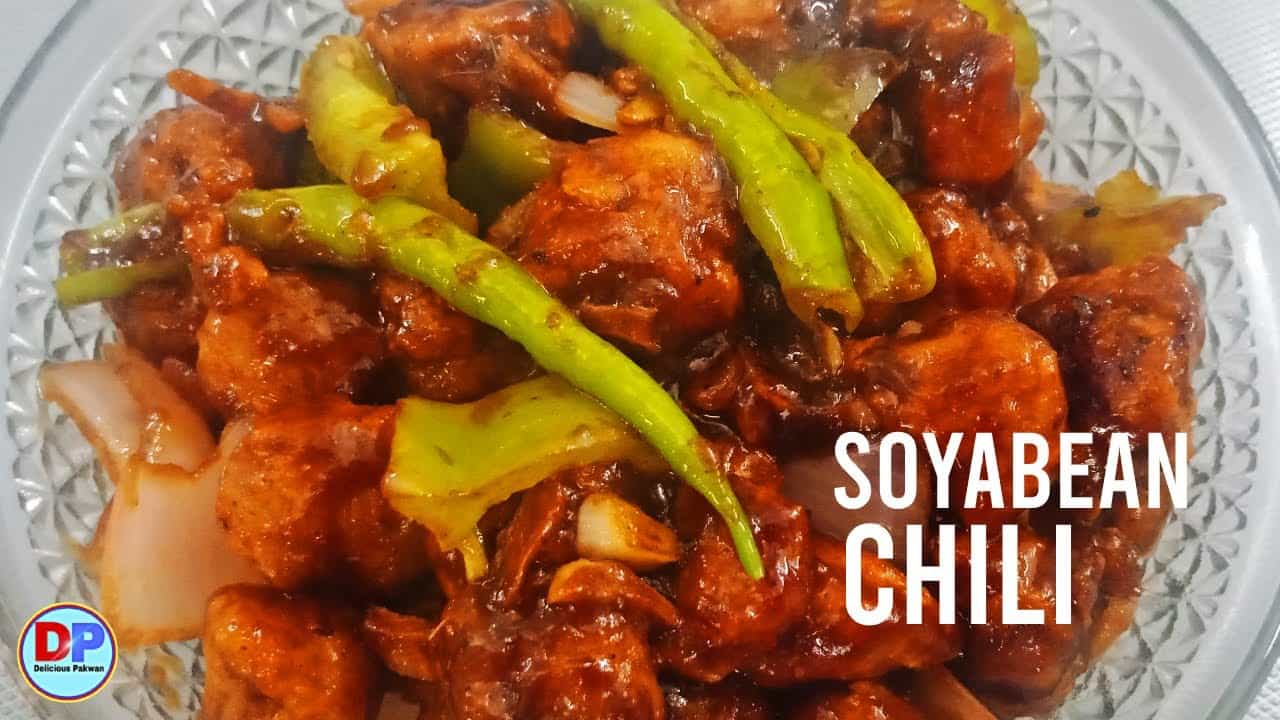
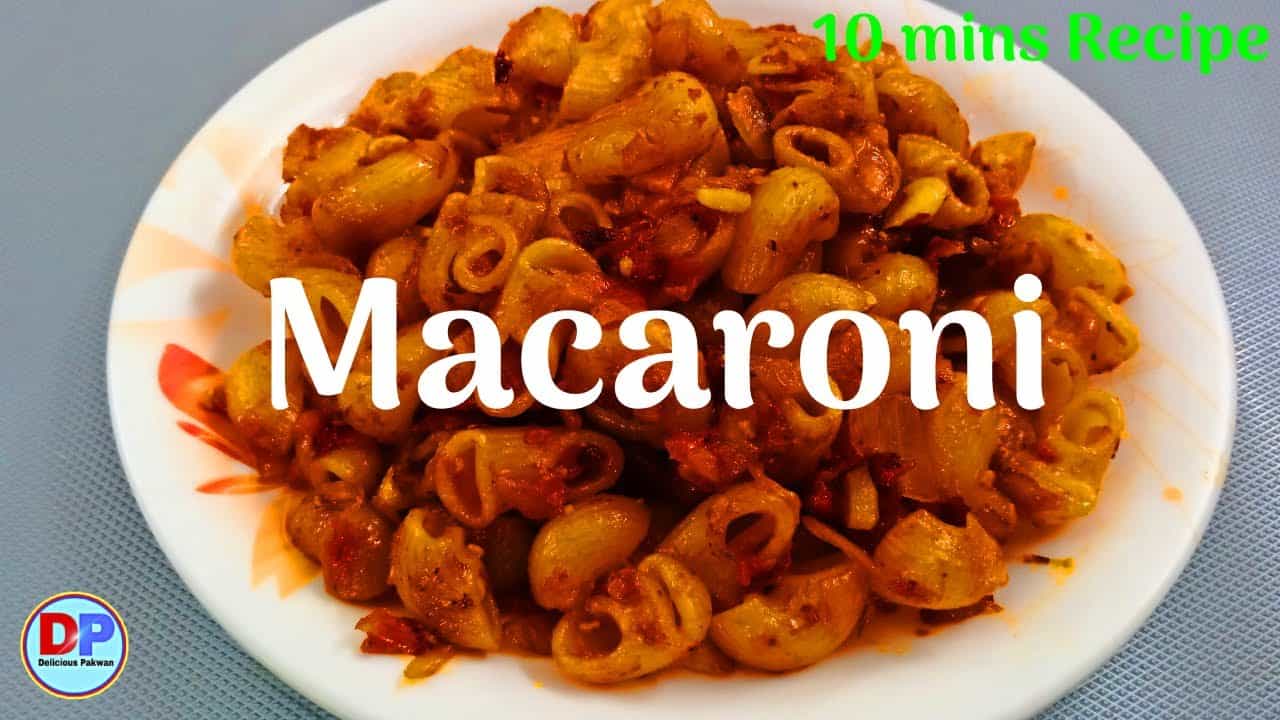
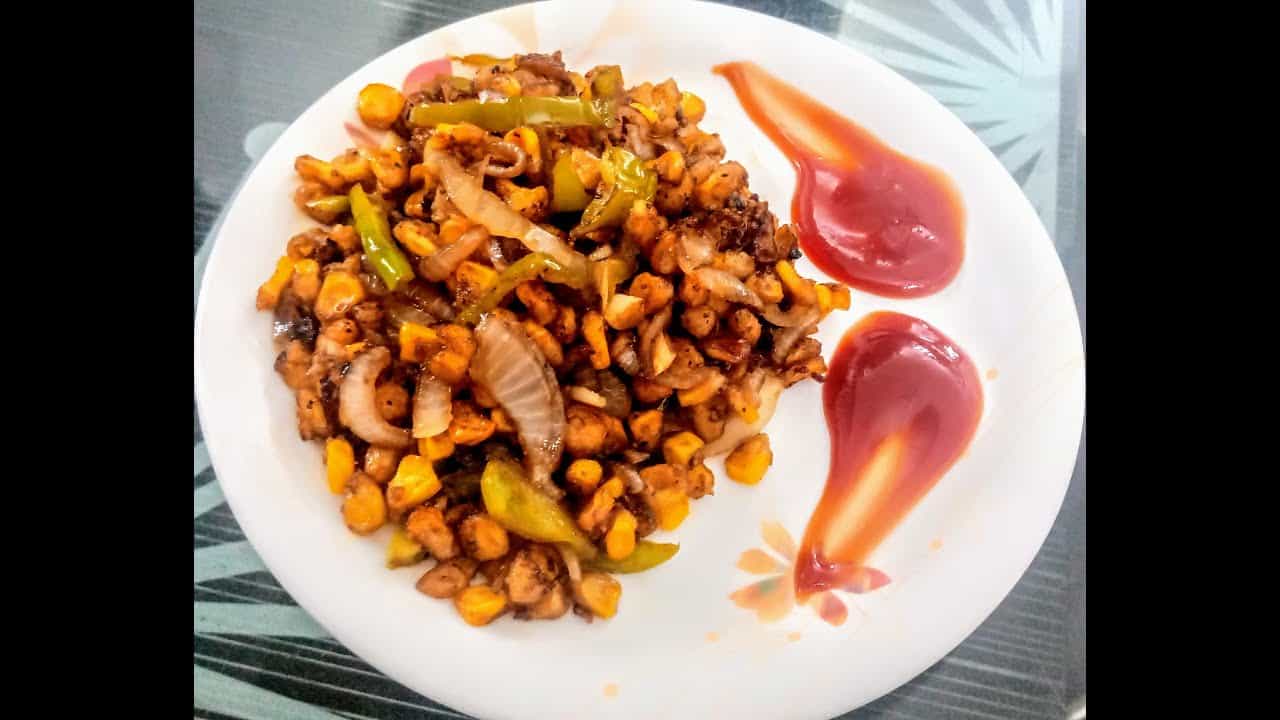
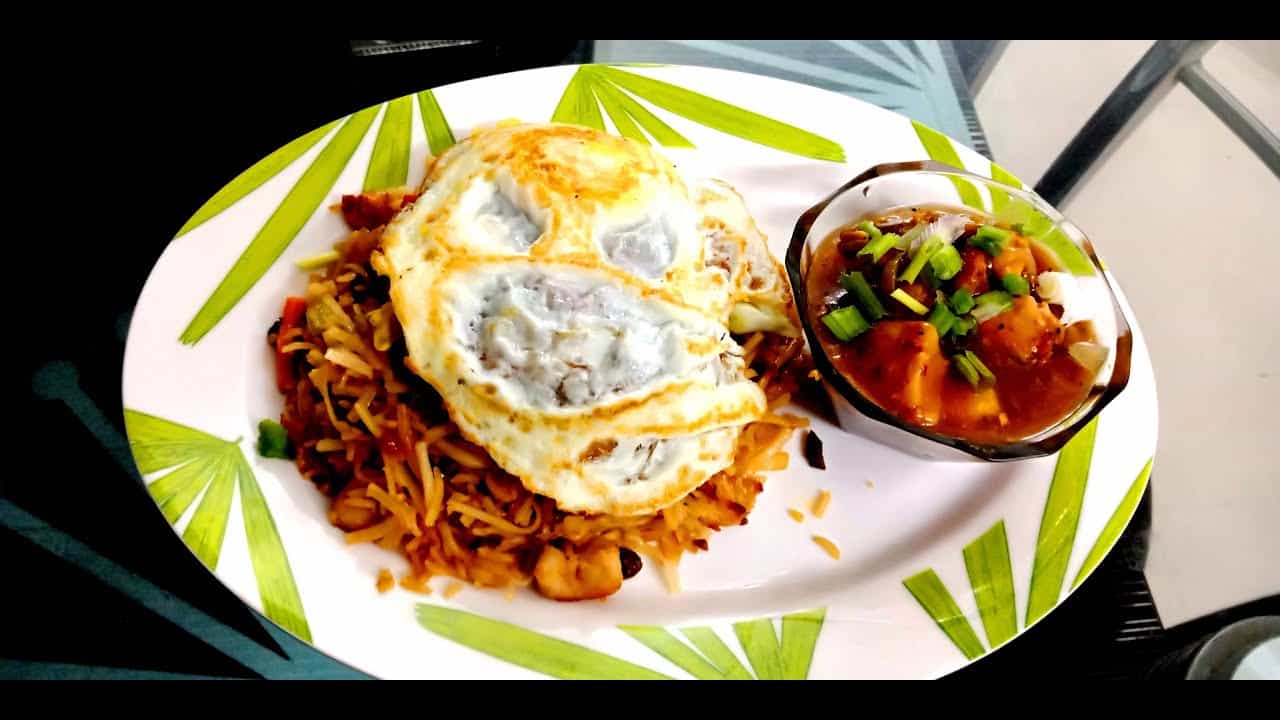
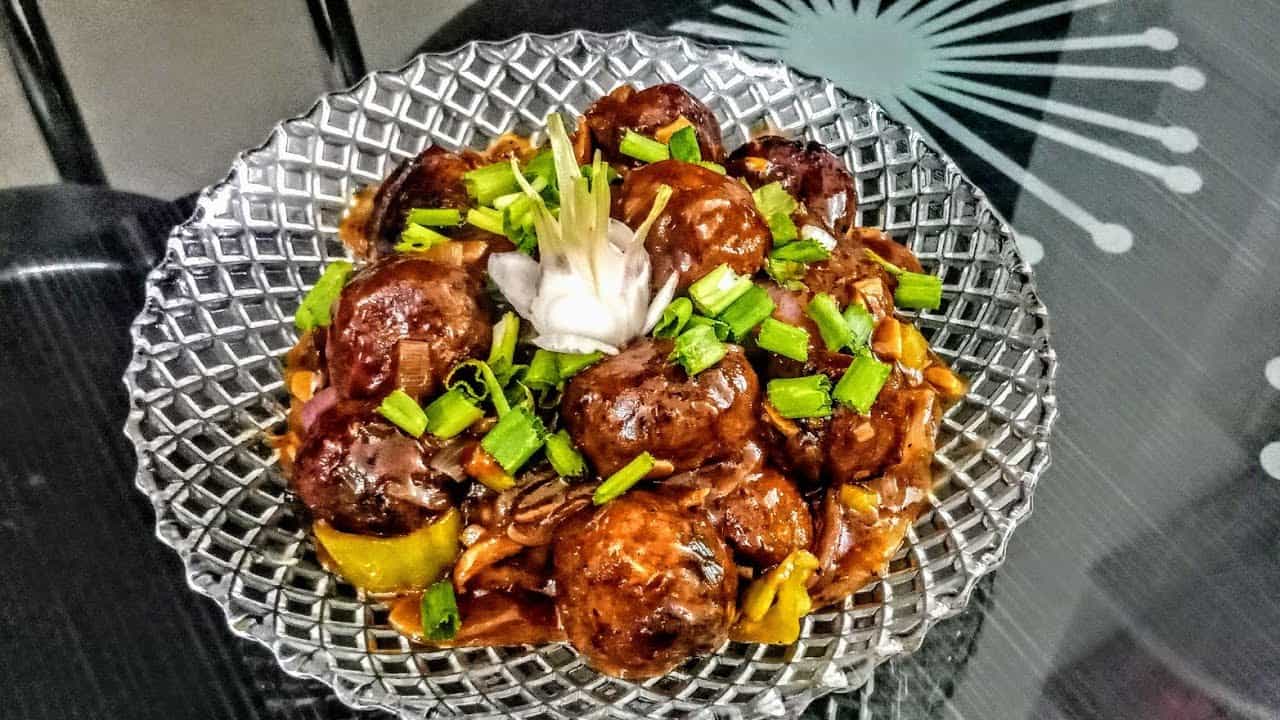
Prep and portion sauces, chopped vegetables and proteins before cooking. High‑heat stir‑frying and quick frying depend on having everything ready at the right time.
Use high heat for quick sear and tosses to retain crunch in vegetables; moderate heat when finishing sauces to prevent burning and achieve a glossy coating.
For items like corn chilli or spring rolls, keep batter or coating light so the exterior turns crisp without becoming heavy or greasy.
When a recipe calls for a glossy, clingy gravy, add a small amount of a starch slurry at the end and stir briefly — this binds the sauce to the ingredients without overcooking.
Many recipes in the playlist can be made vegetarian or non‑vegetarian by swapping paneer/soya for chicken or vice versa, and adjusting chilli or schezwan sauce to taste.
The playlist collects Chinese and Indo‑Chinese home recipes including fried rice, noodles, gravies, dumplings (momos), fried snacks and spring rolls — covering both vegetarian and non‑vegetarian preparations.
You will learn high‑heat stir‑frying, batter and frying techniques, sauce preparation and thickening, dumpling shaping and steaming, and timing strategies for combining ingredients without overcooking.
Yes. Several videos demonstrate step‑by‑step methods and use common pantry ingredients; basic recipes are accessible to beginners while others offer room for experienced cooks to refine technique.
Many recipes are presented in vegetarian versions (for example veg Manchurian, veg momos and soya noodles) and some show chicken or other proteins — ingredient swaps are straightforward and commonly demonstrated.
Cool leftovers quickly, transfer to airtight containers and refrigerate. Reheat gently on a pan with a splash of water or oil to restore texture; avoid multiple reheats for fried items to preserve crispness.
Reduce oil by draining fried items briefly on paper and use a nonstick pan for stir‑frying. To lower spice, reduce hot sauces or fresh chillies and increase aromatics like garlic, spring onion and a touch of vinegar or sugar to maintain flavor balance.