Control texture with liquid in stages
Add water or yogurt gradually while grinding to avoid a watery chutney; stop when you reach a slightly thicker consistency than needed—the chutney thins slightly after resting.
Playlist · 3 videos
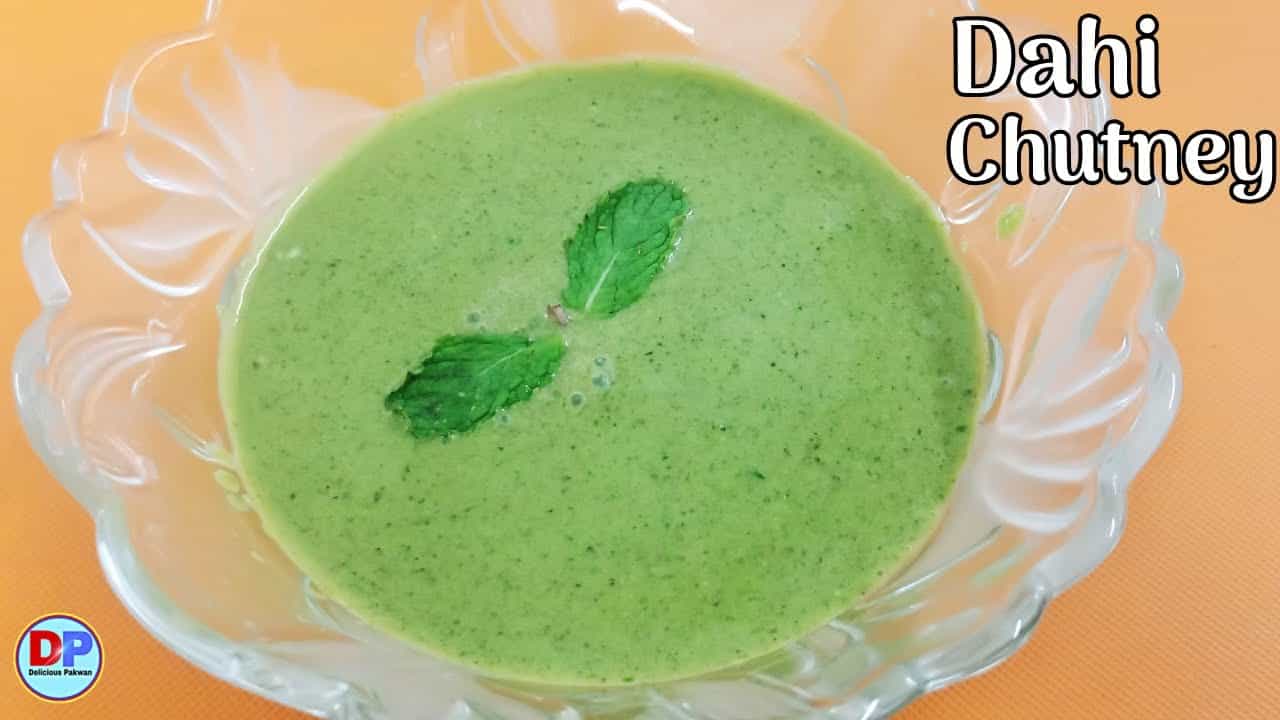
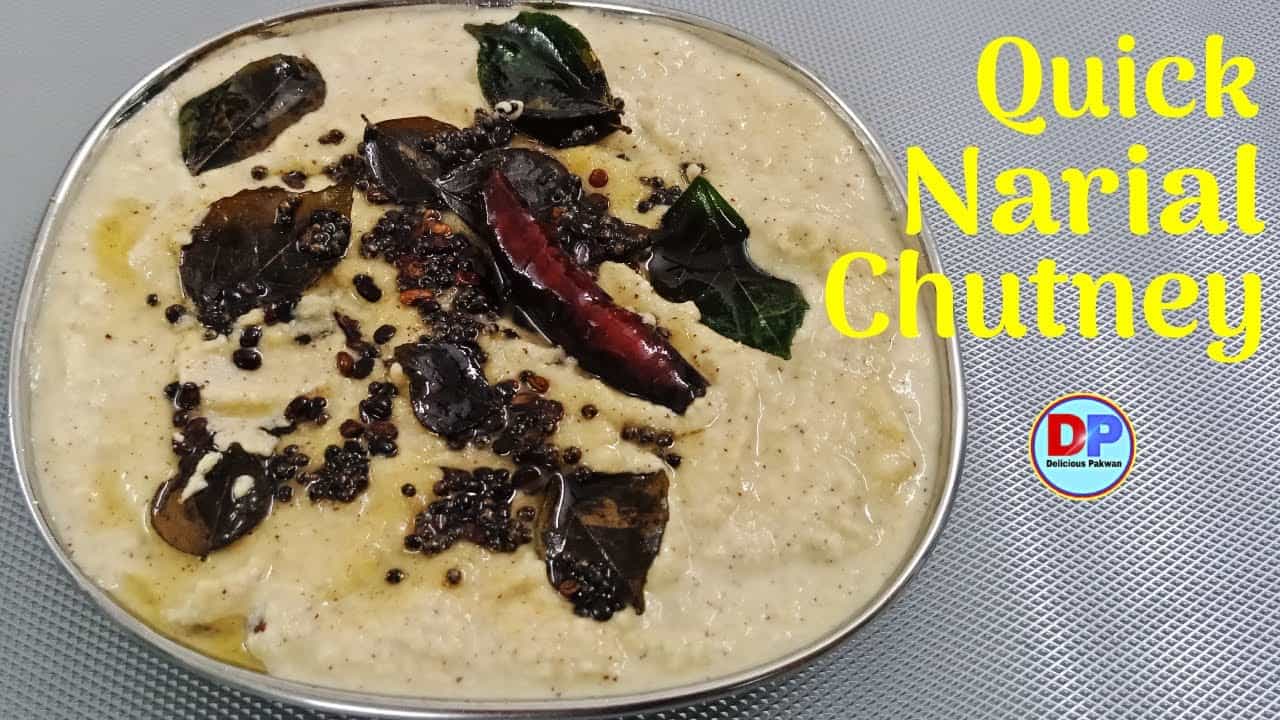
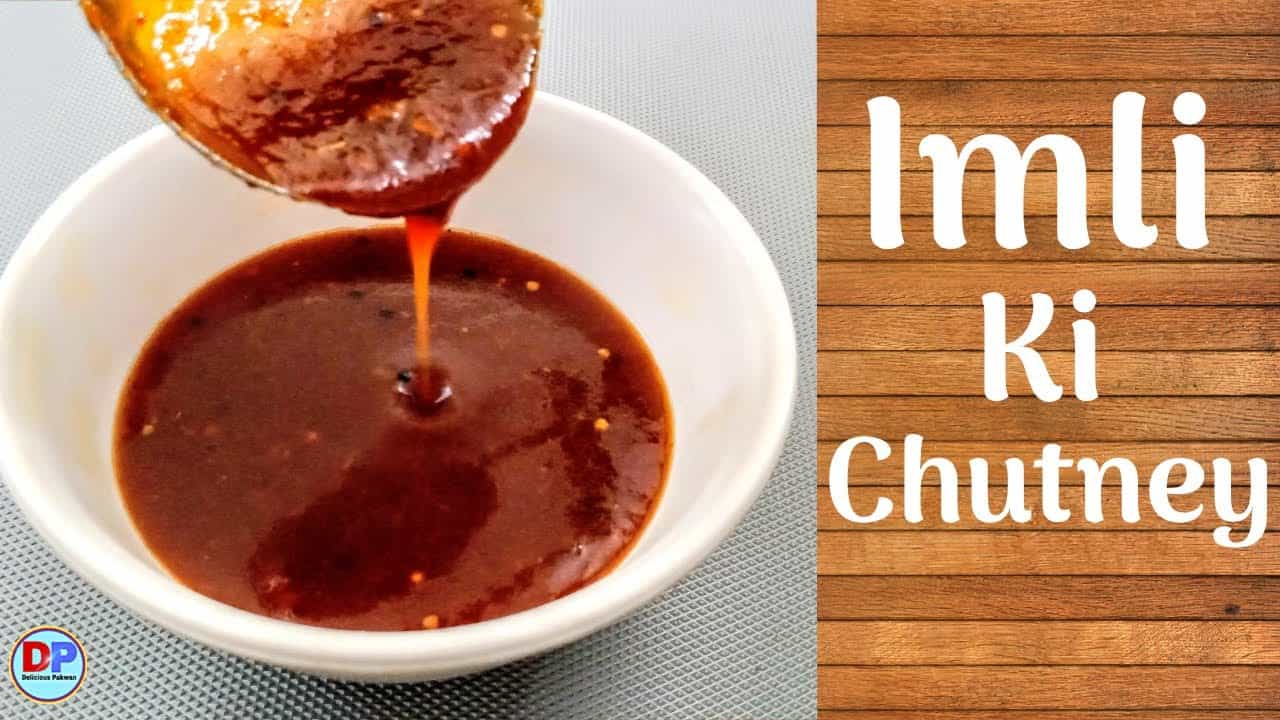
A focused collection of homemade Indian chutneys that cover fresh coconut chutney for idli, street-style tamarind (imli) chutney, and a restaurant-style yogurt-mint (dahi-pudina) chutney, with practical techniques for grinding, tempering, balancing flavor and keeping chutneys fresh.
This playlist gathers approachable chutney recipes and techniques that enhance breakfasts, snacks and meals across Indian cooking styles. It emphasizes fresh ingredients and simple methods—grinding, tempering and balancing sweet, sour and spicy elements—so home cooks can prepare accompaniments that suit dosas, idlis, chaats, sandwiches and everyday plates.
The collection highlights the variety and versatility of chutneys: cooling yogurt-based blends, coconut chutneys typical with South Indian breakfasts, and tangy-sweet fruit chutneys used with snacks. Videos demonstrate small but important kitchen skills—how to adjust consistency when grinding, when to roast or sauté spices, how tempering changes aroma, and how acidity or sweetness can be tuned to pair with different dishes. Recipes range from quick pantry-based options for beginners to slightly more involved preparations that show regional and restaurant-style finishes.
Add water or yogurt gradually while grinding to avoid a watery chutney; stop when you reach a slightly thicker consistency than needed—the chutney thins slightly after resting.
Finish many chutneys with a quick tempering of oil, mustard seeds, curry leaves or crushed chilies. Do the tempering just before serving to preserve the aromatic crispness.
A chutney for chaat or snacks benefits from a sharper sweet-sour contrast, while one for idli/dosa should be milder and more herb-forward. Taste and adjust small amounts of tamarind, jaggery or sugar to tune the balance.
Store chutneys in clean, dry airtight containers in the refrigerator. Use yogurt-based chutneys sooner and keep dry, sugar-acid fruit chutneys separate to extend usability.
A chutney is a condiment made from herbs, vegetables, fruits, spices, or dairy that adds flavor contrast to a meal. In Indian cooking, chutneys are served with breakfasts like idli and dosa, with snacks and chaats, and as a side or spread to enhance texture and taste.
Coconut-based chutneys are traditional pairings for idli and dosa because their cooling texture and mild flavors balance the fermented batter. Adjust spice and consistency to complement the specific dish.
Keep chutneys in clean airtight containers in the refrigerator. Yogurt-based chutneys are best consumed quickly, while chutneys made with tamarind, sugar, or higher acidity tend to hold longer when refrigerated. Always use a clean spoon to avoid contamination.
Yes—many chutneys can be prepared earlier the same day. For longer storage, avoid leaving yogurt-based chutneys at room temperature and keep them chilled. Re-temper just before serving if you want fresh aroma from spices.