Build flavor in layers
Start by properly sautéing whole spices and aromatics until they release their aroma; add spices in stages so each heat treatment deepens flavour rather than burning them.
Playlist · 17 videos
A focused collection of homemade Indian curry recipes and techniques that covers vegetarian gravies, lentils, paneer dishes, and regional non-vegetarian specialties while teaching practical skills for building flavor and achieving the right gravy consistency.
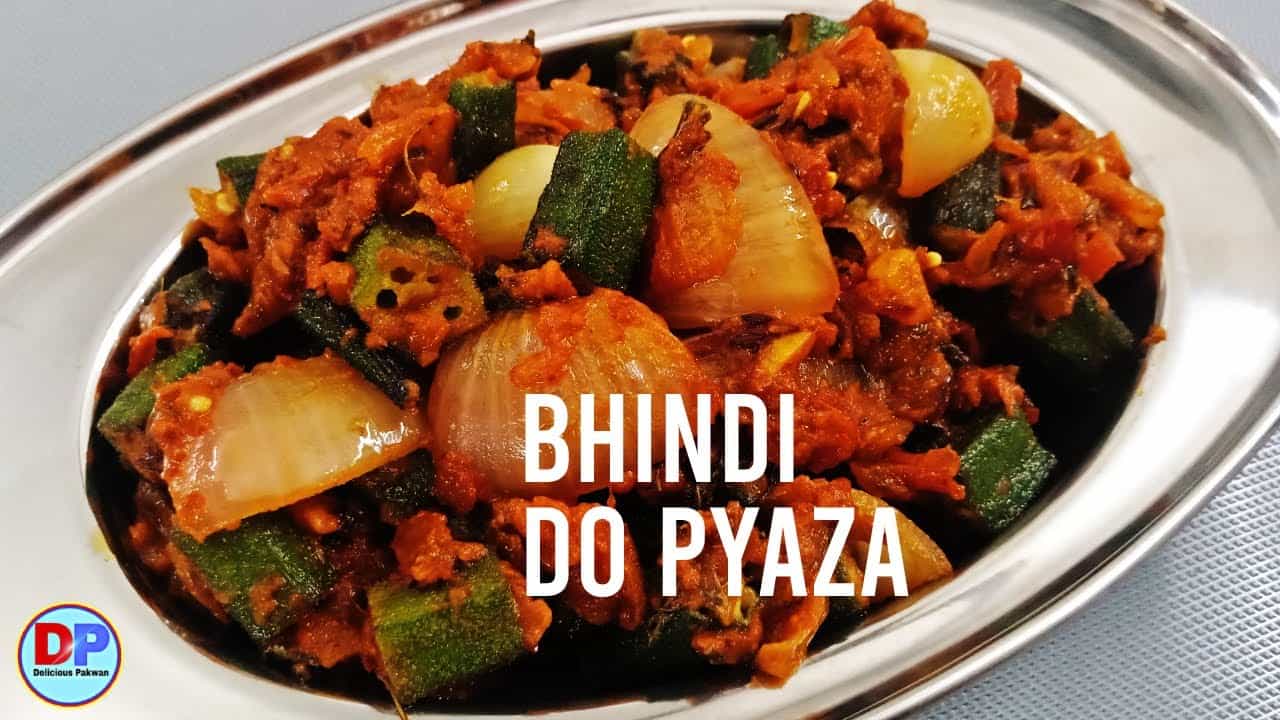
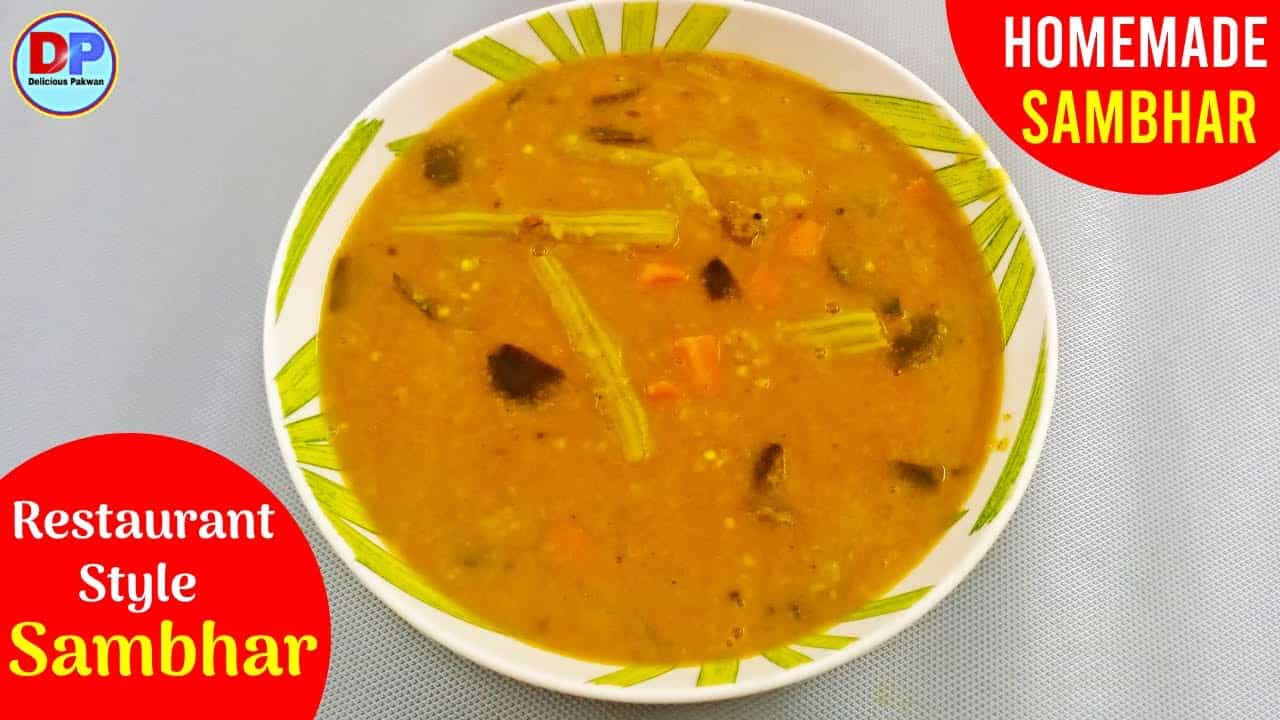
This playlist gathers a wide range of Indian curry recipes designed for home cooks who want dependable gravies and clear, practical technique. It includes everyday vegetable and lentil preparations, restaurant-style paneer and mushroom dishes, classic kadhi and koftas, plus regional specialties such as sambar and Bihari fish curry. Recipes vary in complexity so the playlist supports beginners learning basic masala and tempering skills as well as experienced cooks looking for richer, celebration-style gravies.
Across the videos you will find recipes that share a common focus: building deep, layered flavor in gravy-based dishes. The collection emphasizes essential steps such as toasting and grinding whole spices, sautéing aromatics until fragrant, tempering (tadka) for finishing, and slow simmering to concentrate flavors. It also demonstrates practical variations — for example, onion-and-garlic-free versions and restaurant-style shortcuts — so you can adapt recipes to dietary preferences and time constraints. Use the playlist to plan weekday lunches and dinners, prepare family-style festive meals, or practise technique-oriented skills like shaping koftas, making smooth paneer gravies, and balancing spice and acidity.





Start by properly sautéing whole spices and aromatics until they release their aroma; add spices in stages so each heat treatment deepens flavour rather than burning them.
Lightly roasting whole spices before grinding gives a fresher, more complex masala than using only ground spices; small batches can be made and stored briefly.
If a gravy is too thin, simmer uncovered to reduce and concentrate flavours; if too thick, add hot water or stock gradually and adjust seasoning after thinning.
Drain and rest pakoras or koftas on paper towels and add them to the gravy just before serving when possible to avoid sogginess from prolonged soaking.
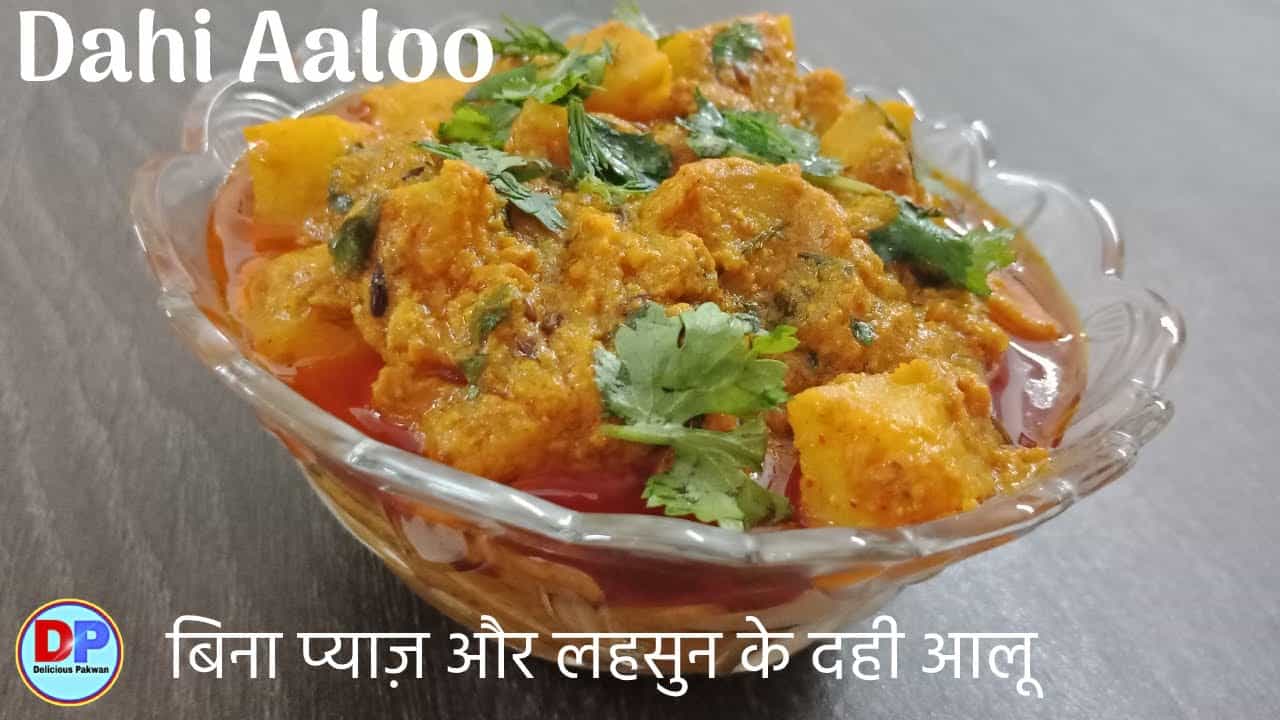
Several recipes show how to omit onion and garlic while retaining depth of flavor by increasing ginger, curd, roasted spices, or tomato-based acidity.
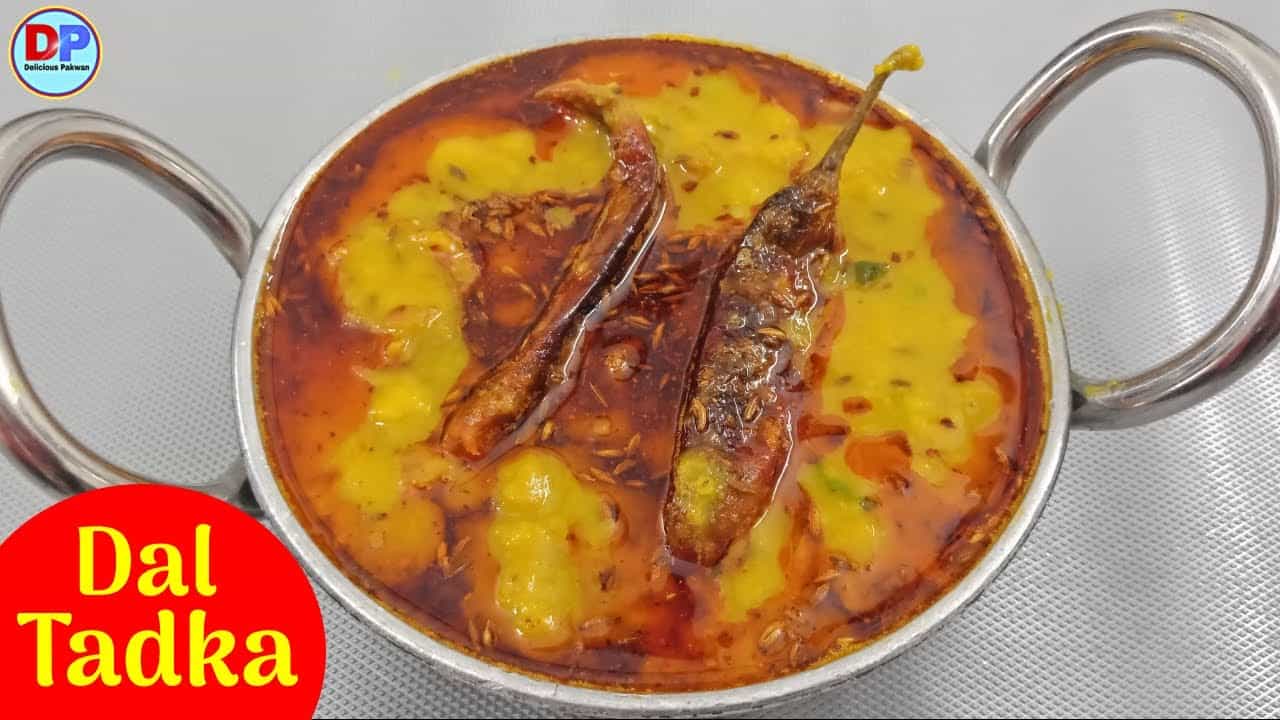
A small tempering of cumin, mustard seeds, or curry leaves in hot oil poured over the finished curry lifts the aroma and polishes the overall flavour.
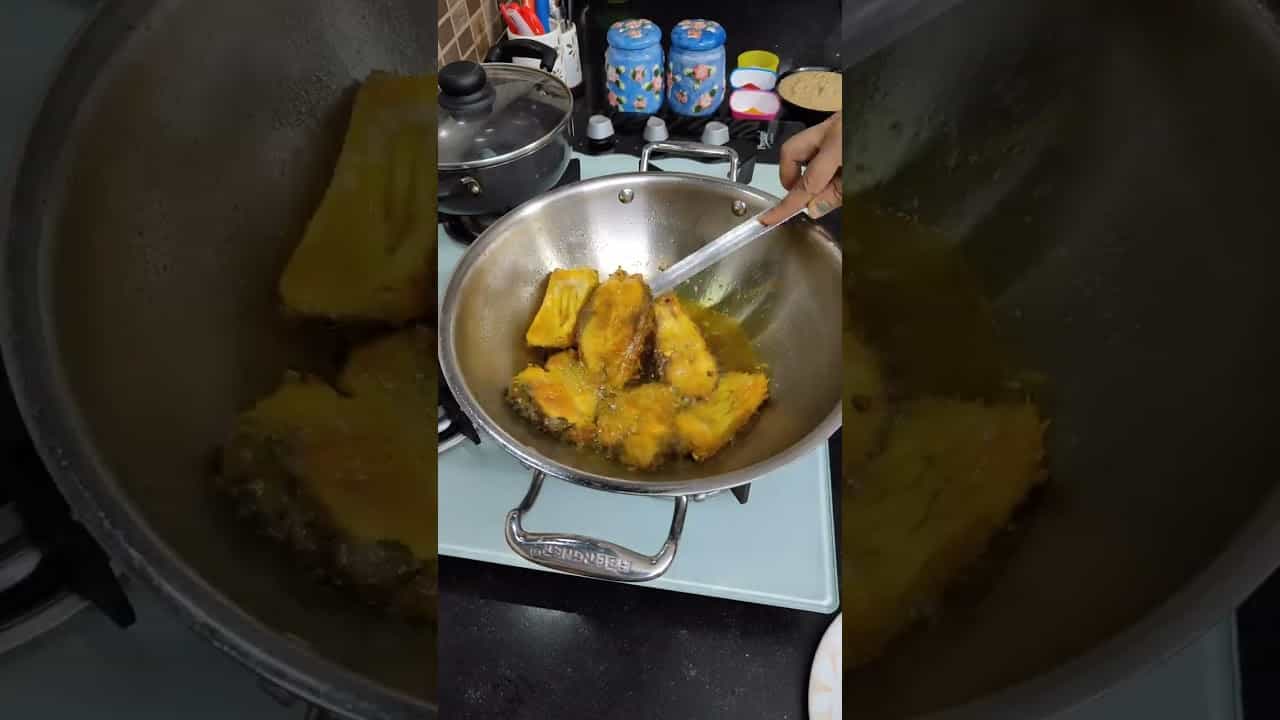
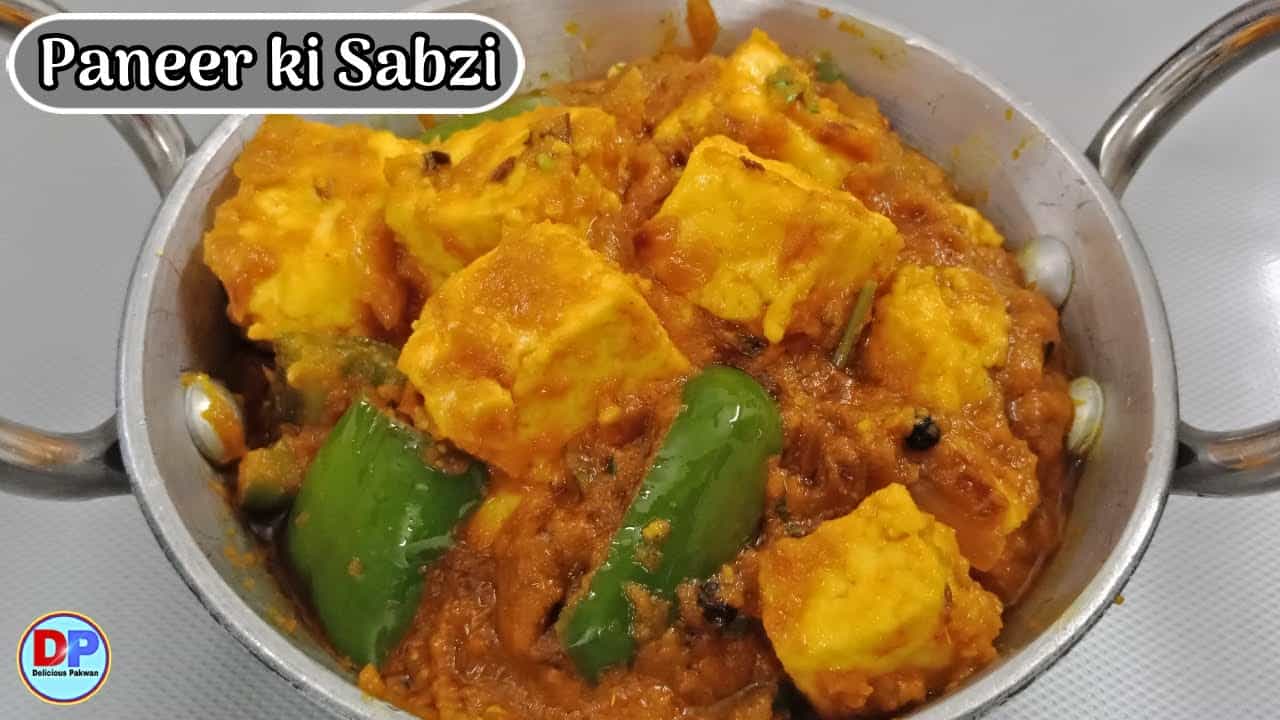
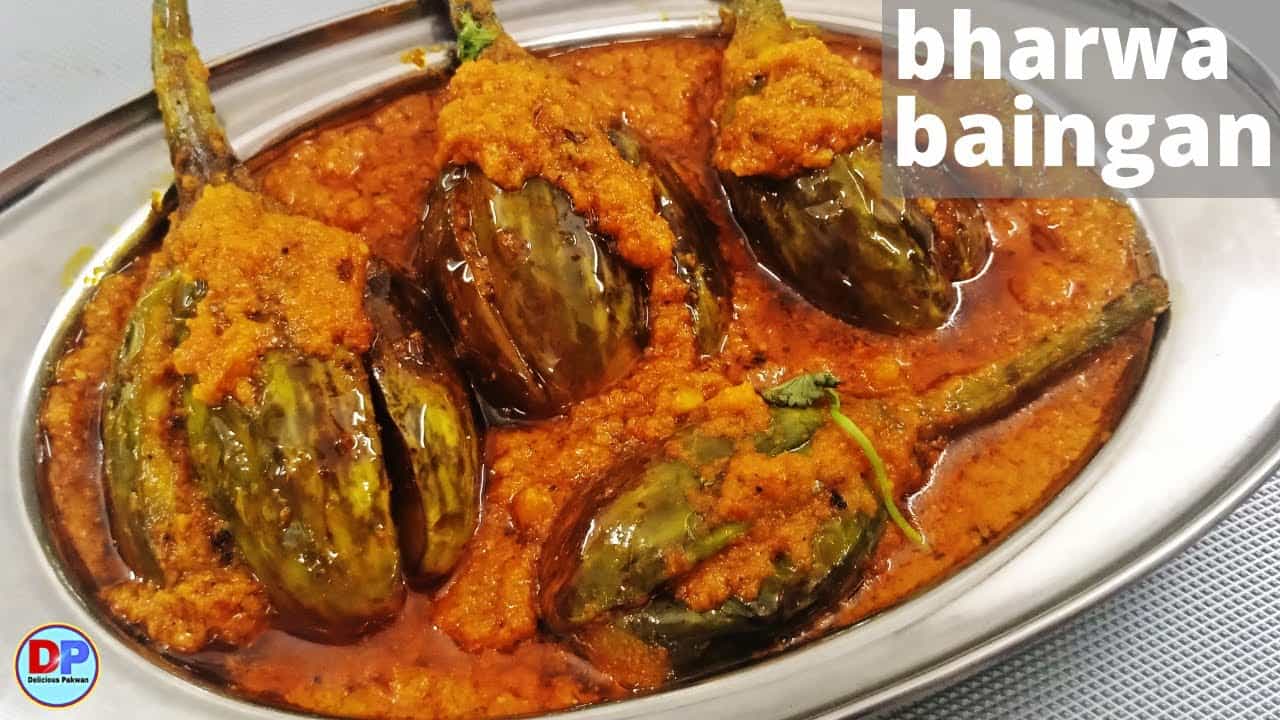
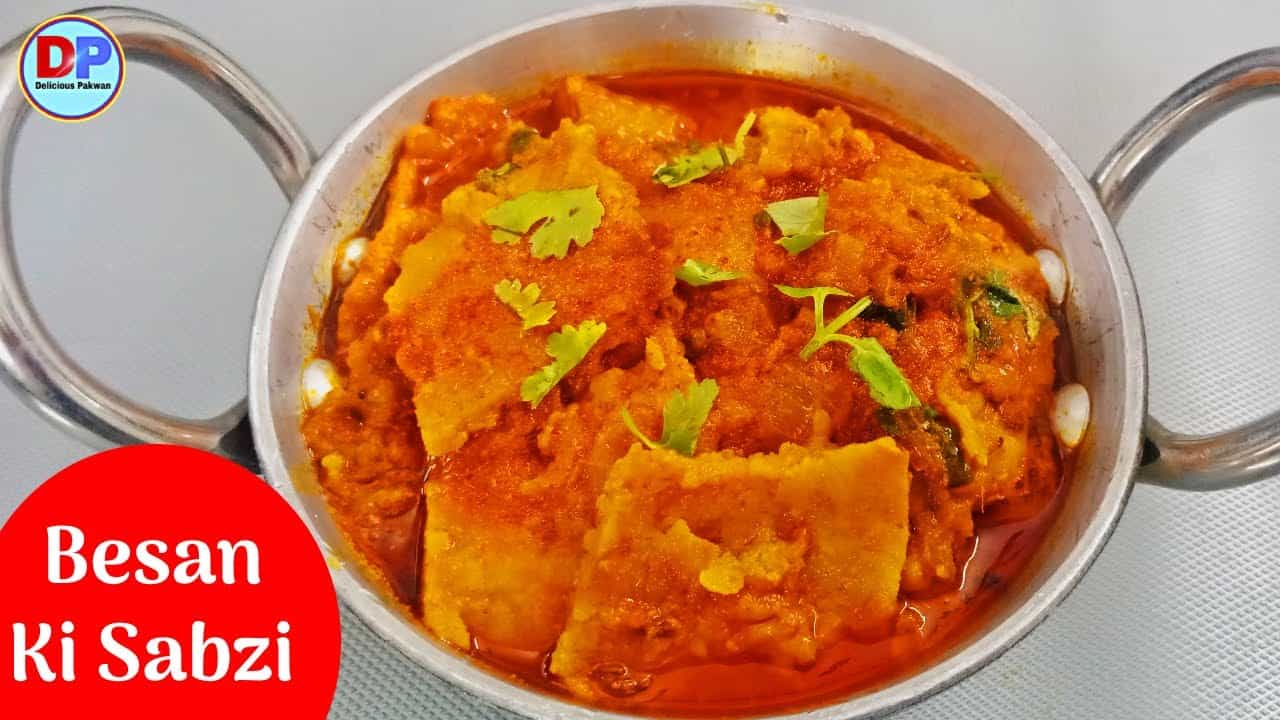
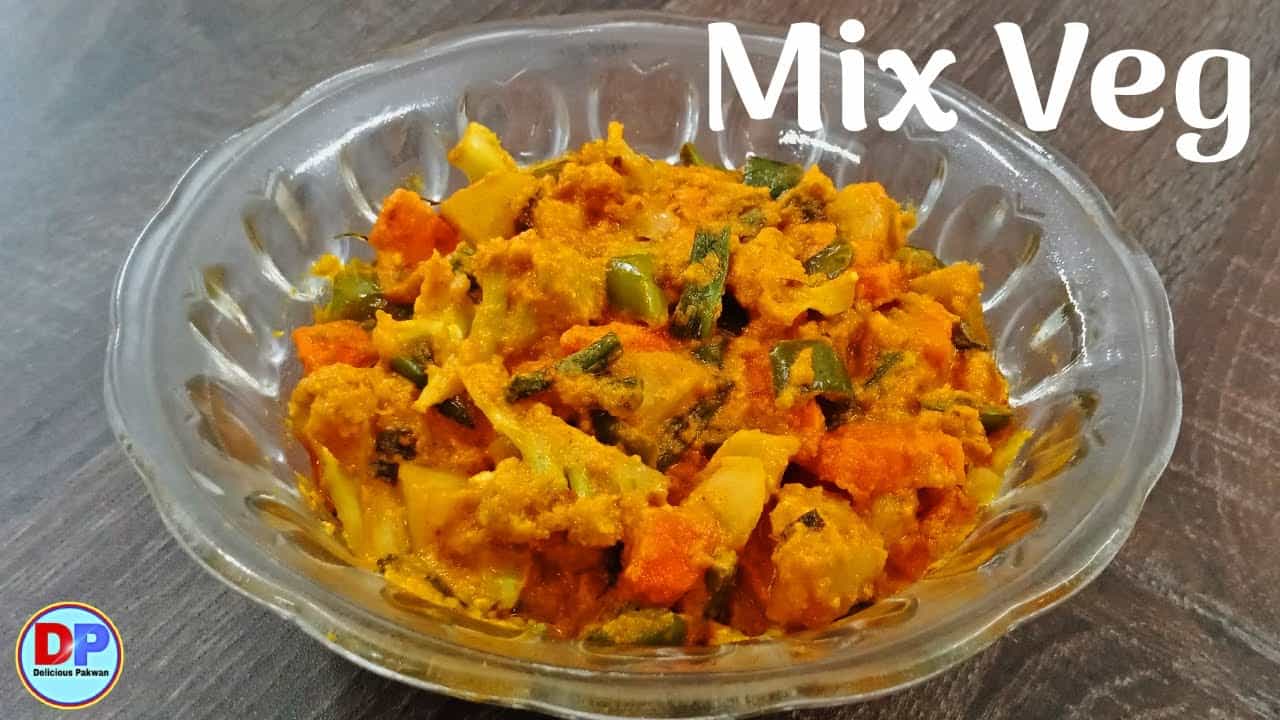
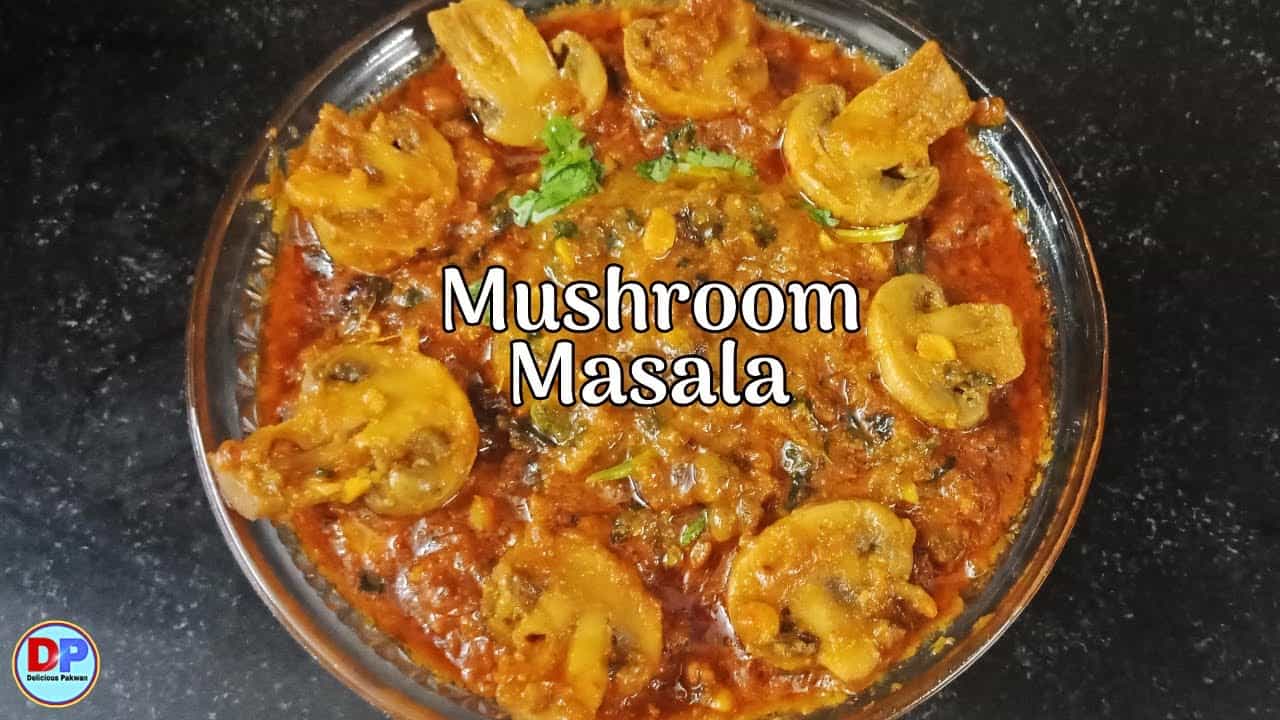
The playlist includes a broad range of gravy-based Indian recipes: vegetable and mixed-vegetable curries, lentil and dal preparations, paneer and mushroom masalas, kadhi with pakoras, stuffed vegetables, koftas, and regional non-vegetarian dishes such as mutton and fish curries.
Yes. The collection contains simple, step-by-step recipes that demonstrate core techniques like sautéing, tempering, and simmering. Some videos also cover more advanced or celebration-style gravies for cooks who want to expand their skills.
Yes. At least one recipe explicitly presents a curry without onion and garlic, and several videos discuss substitutions and adaptations for dietary preferences.
Drain fried pieces well on absorbent paper before adding them to the sauce, and add them close to serving time. For gravies that must be held longer, keep fried elements separate and combine just before plating.
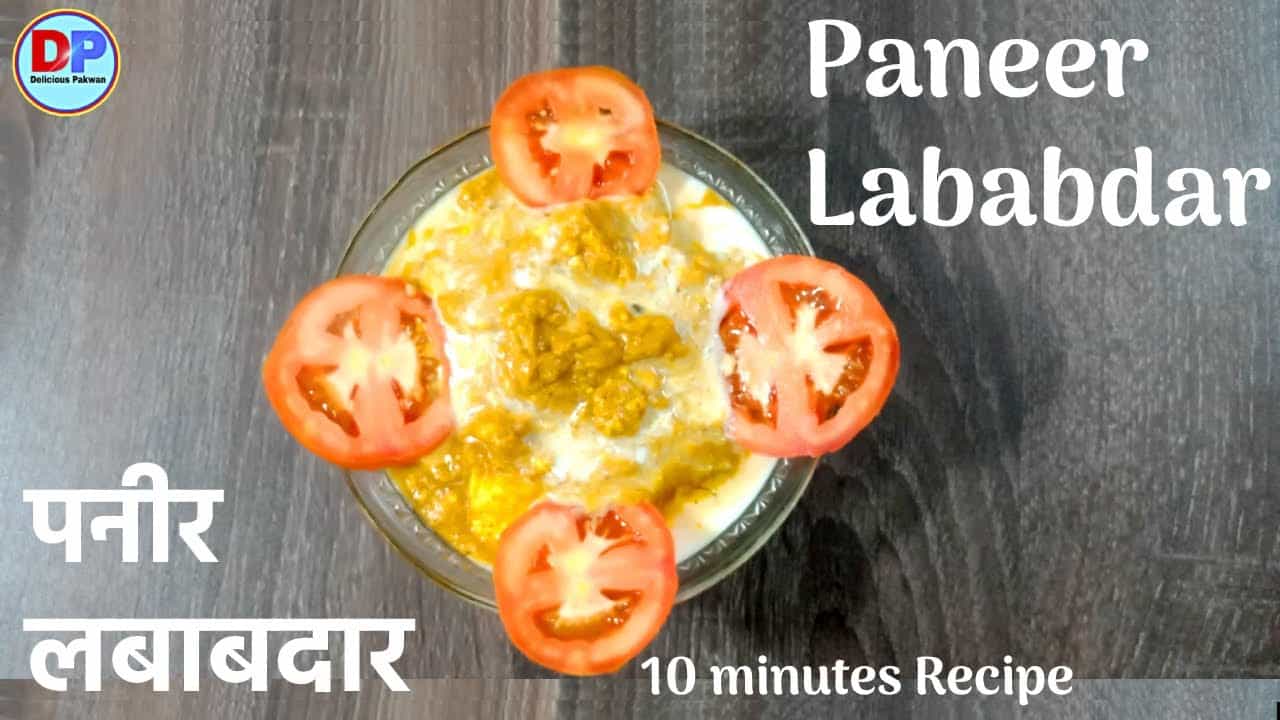
Several recipes demonstrate techniques for smooth gravies, including roasting and blending masalas, simmering to reduce texture, and finishing with cream, curd, or butter where appropriate to achieve a rich mouthfeel.
Cool the curry slightly, transfer it to an airtight container, and refrigerate. Reheat thoroughly on the stove until piping hot, stirring occasionally to restore even texture. Keep components such as fried koftas or stuffed vegetables separate when possible to preserve texture.