Match cooking time to the protein
Use gentle simmering for fish and eggs to prevent breaking or overcooking, while tougher proteins like mutton benefit from longer, slower cooking or pressure cooking to reach tenderness.
Playlist · 6 videos
A focused playlist of homemade non-vegetarian curries covering chicken, mutton, fish and egg gravies. Recipes combine regional Indian styles and restaurant-inspired preparations while teaching core techniques such as preparing masala bases, tempering whole spices, marination and managing gravy consistency for reliable home cooking.
This collection brings together practical, home-friendly curry recipes that use a variety of proteins and gravies common in Indian cooking. Videos demonstrate step-by-step methods to build flavor from whole spices and masala pastes, and they show adjustments for different proteins. The playlist is organized for cooks who want dependable weeknight recipes as well as richer preparations for special meals.
The playlist emphasizes authentic flavor building and dependable techniques across a range of non-vegetarian curries. You will find recipes that showcase regional influences such as Bihari-style fish and traditional shahi preparations alongside restaurant-style gravies and rustic handi-style mutton. Common lessons include marination basics, preparing and frying masala bases, tempering to finish a gravy, slow simmering for tenderness, and using pressure cooking where appropriate. The videos focus on practical kitchen skills—handling delicate fish, keeping chicken moist, developing layered spice flavors in mutton, and finishing egg gravies—so cooks can replicate consistent results at home. Recipes are adaptable: spice levels, consistency and accompaniments can be tuned to suit everyday meals or festive occasions.
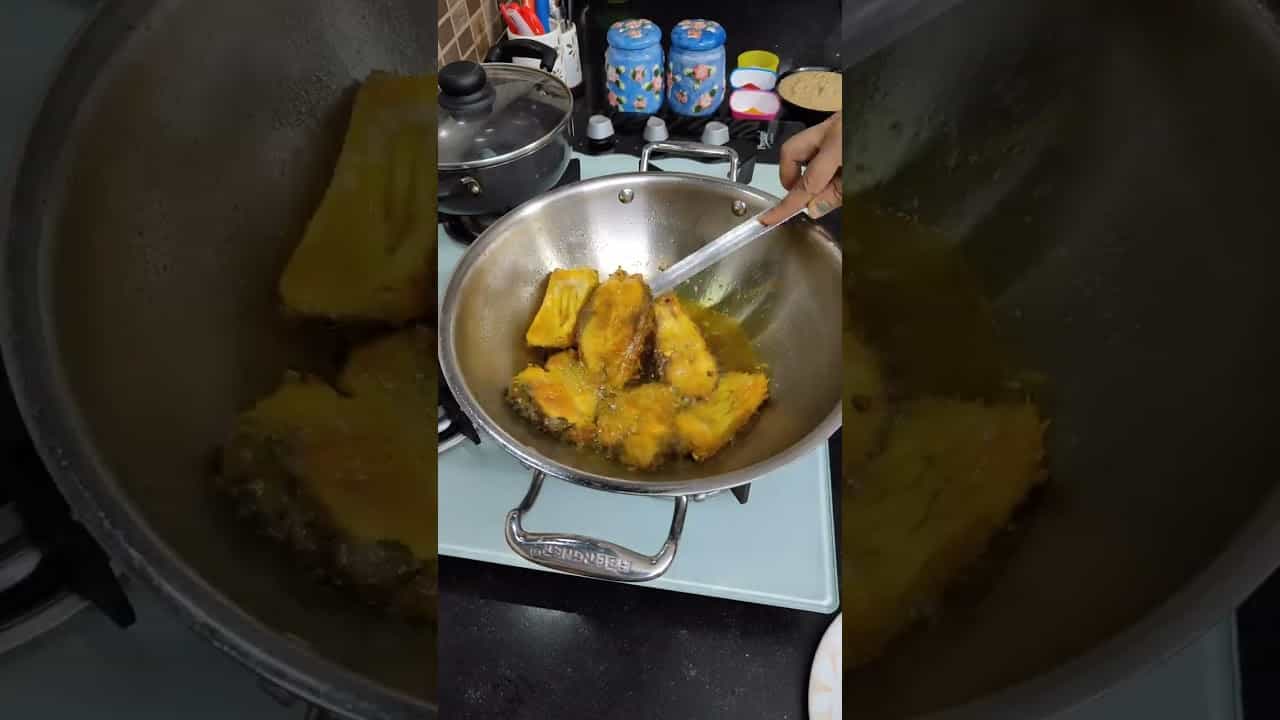

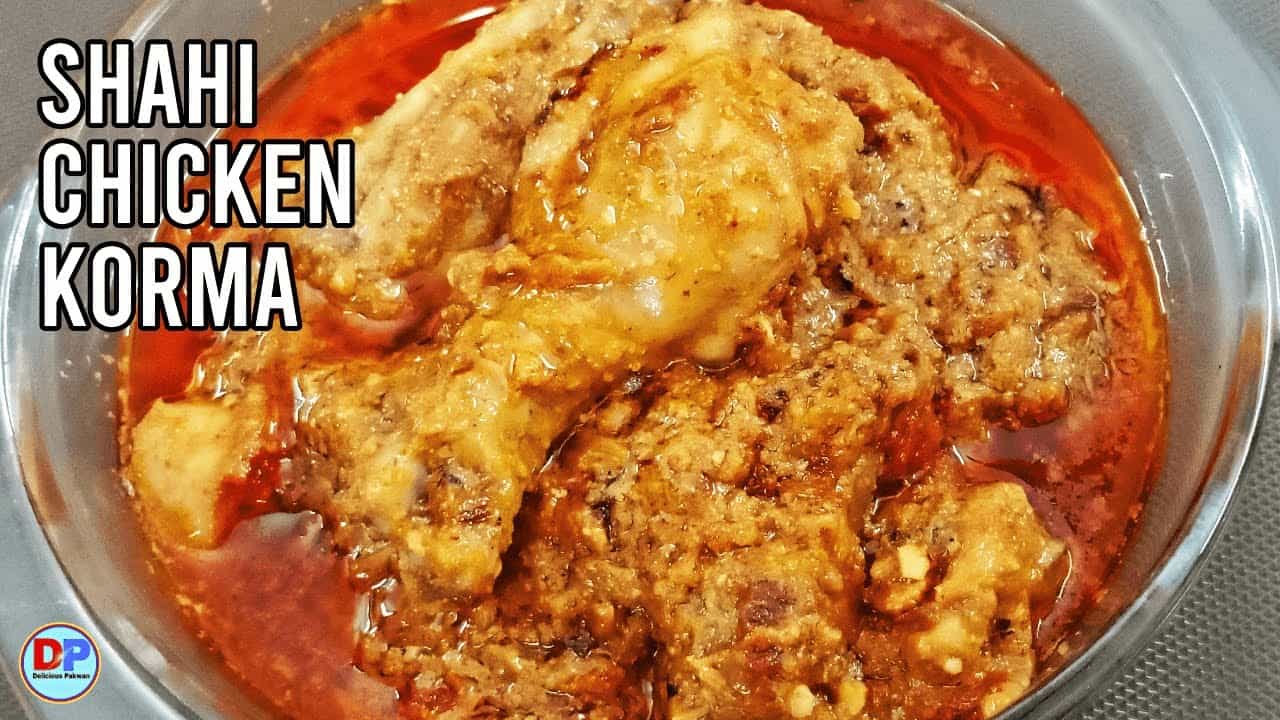
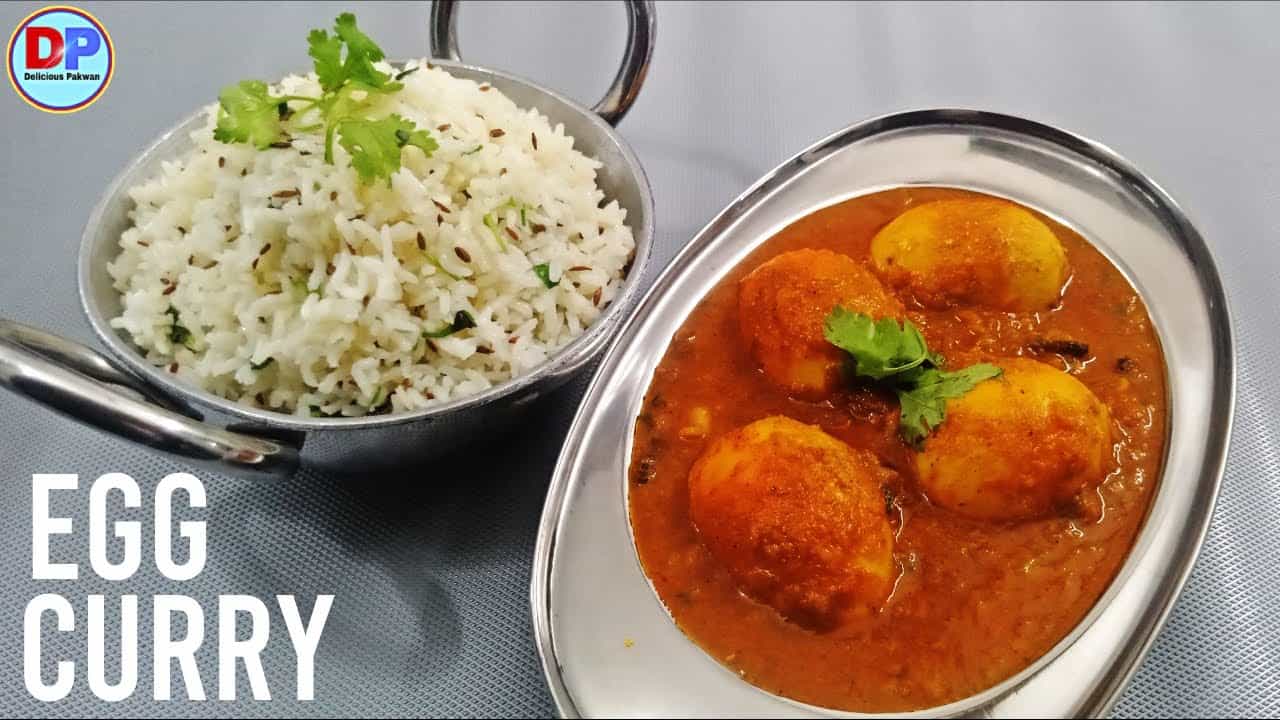


Use gentle simmering for fish and eggs to prevent breaking or overcooking, while tougher proteins like mutton benefit from longer, slower cooking or pressure cooking to reach tenderness.
Fry whole spices, then sauté onions and masala paste until oil separates; each step concentrates flavor and prevents a raw spice or onion taste in the final gravy.
Start with a slightly thinner gravy; reduce by simmering if you want a thicker finish, or add a splash of stock or water to loosen it—this helps match the curry to rice or breads.
A short tempering of mustard seeds, cumin or whole red chilies in hot oil added at the end brightens the curry and adds a final aromatic note.
Marination adds depth and helps tenderize meat; even brief marination with spices, yogurt or citrus will improve flavor and texture.
Reduce spice early in the cook if you prefer milder food; you can always add heat later with chopped green chilies or ground chili for finer control.
The collection includes curries made with chicken, mutton, fish and eggs, presented in both regional home-style preparations and richer restaurant-inspired gravies.
Yes. Many videos demonstrate clear, step-by-step techniques for everyday curries, while also offering tips that help cooks scale up to more involved or festive dishes.
Expect to learn marination basics, making and frying masala bases, tempering whole spices, slow simmering for depth, and when to use pressure cooking for tenderness.
Most gravies pair well with plain steamed rice, pulao or Indian breads. Lighter, thinner fish or egg gravies go well with rice, while richer kormas and handi-style curries suit pulao or flaky breads.
Many curries develop more flavor after a short resting period and can be made ahead and gently reheated. Adjust final seasoning and fresh garnishes just before serving for best results.
Control heat by reducing chili early in the recipe, using milder red chili powders, or removing seeds from fresh chilies. You can always add more heat later in small increments if needed.