Watch syrup consistency carefully
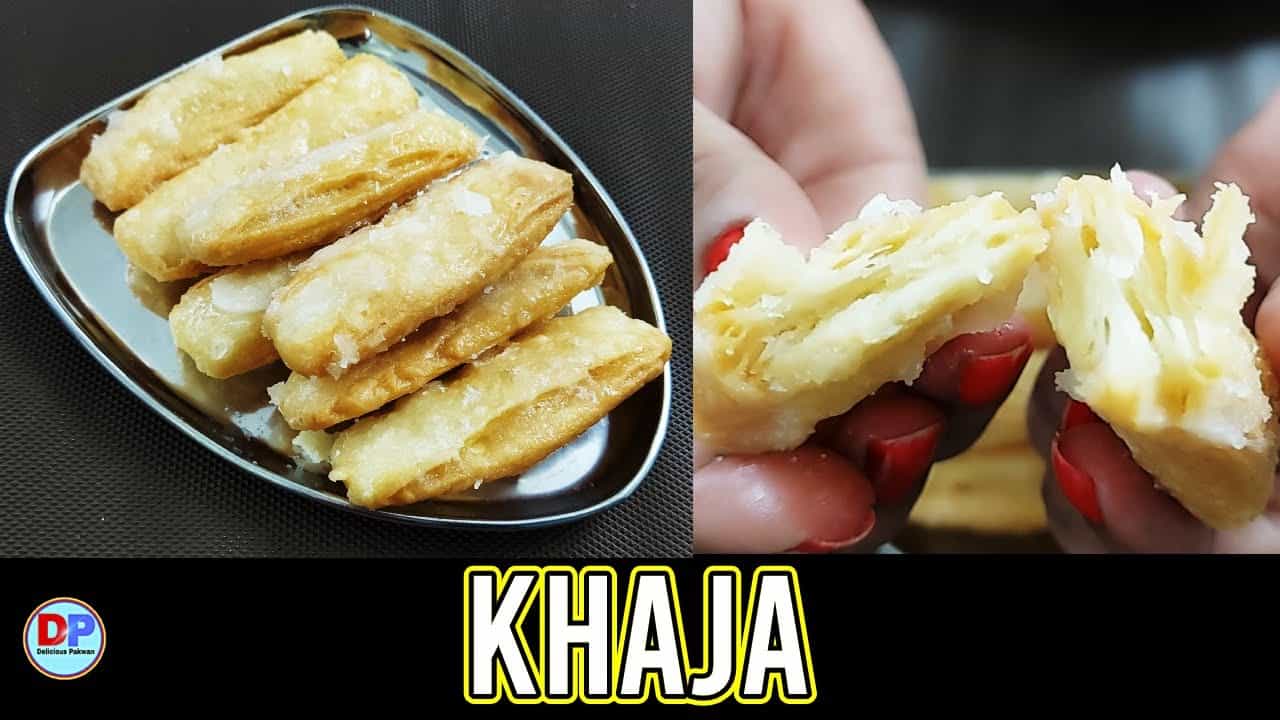
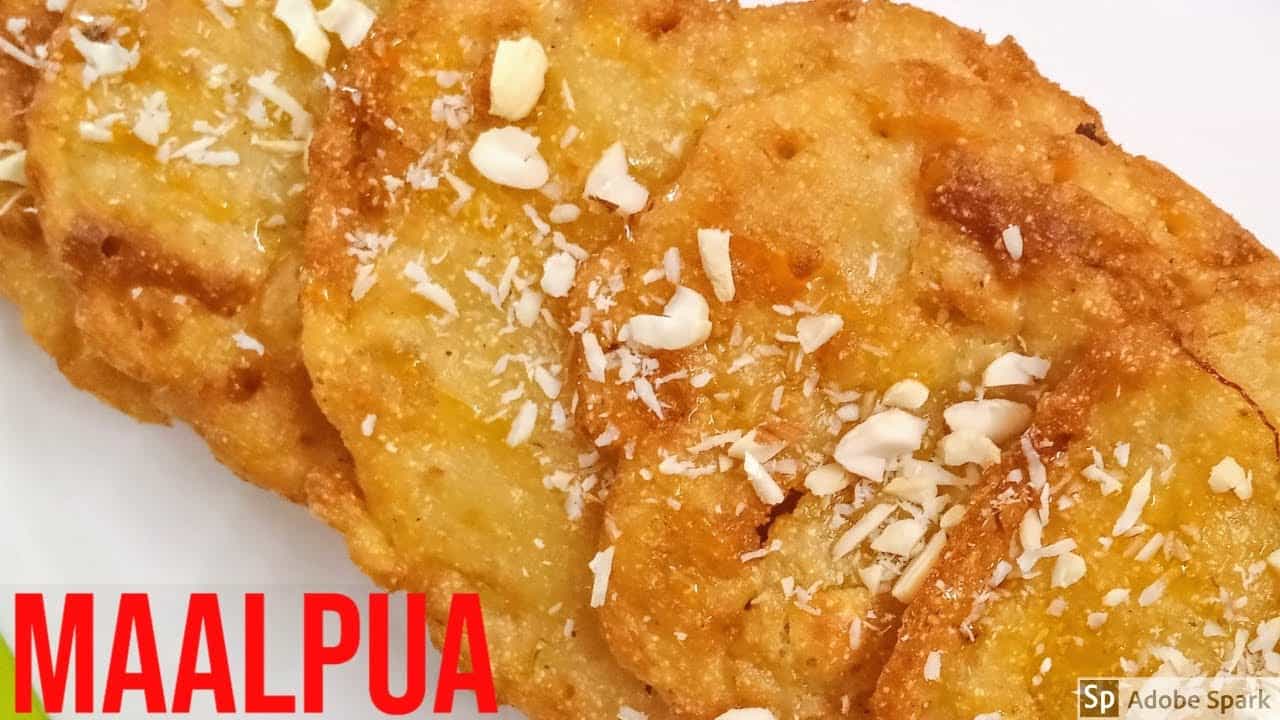
Many syrup-based sweets depend on sugar syrup at a specific consistency. Test small drops on a plate to see if the syrup sets to the required thread or tackiness before adding fried or soaked pieces.
Playlist · 21 videos
A focused collection of homemade desserts and traditional mithai, this playlist gathers milk-based puddings, syrupy sweets, flour and semolina treats, chilled desserts and festival specialties. It is designed to help home cooks learn dessert techniques, compare styles, and find recipes suited to everyday treats as well as celebrations.
This playlist brings together approachable and traditional sweet recipes that are commonly prepared at home for family meals, festivals, and special occasions. Videos cover a range of preparations — from quick, everyday sweets to longer-setting festive mithai — and highlight the practical techniques that determine texture and flavour in successful desserts.
The collection emphasizes hands-on dessert skills: preparing sugar syrups to the right consistency, tempering and slow-cooking dairy, roasting flours and nuts for depth of flavour, setting mixtures so they hold shape, and finishing with balanced seasoning. Recipes include chilled puddings and drinks alongside fried and baked sweets, giving cooks options for different seasons and time constraints. Several videos are labelled as festival or special-occasion recipes, making the playlist useful for seasonal planning as well as everyday dessert-making.
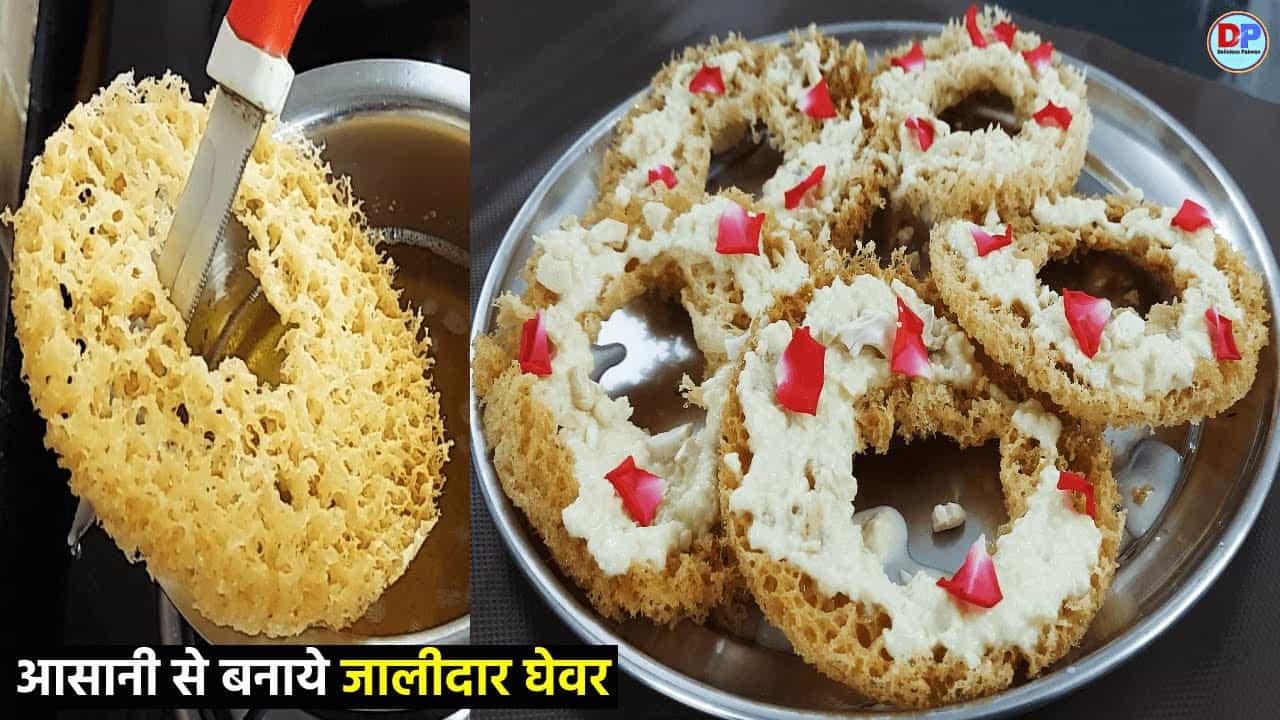

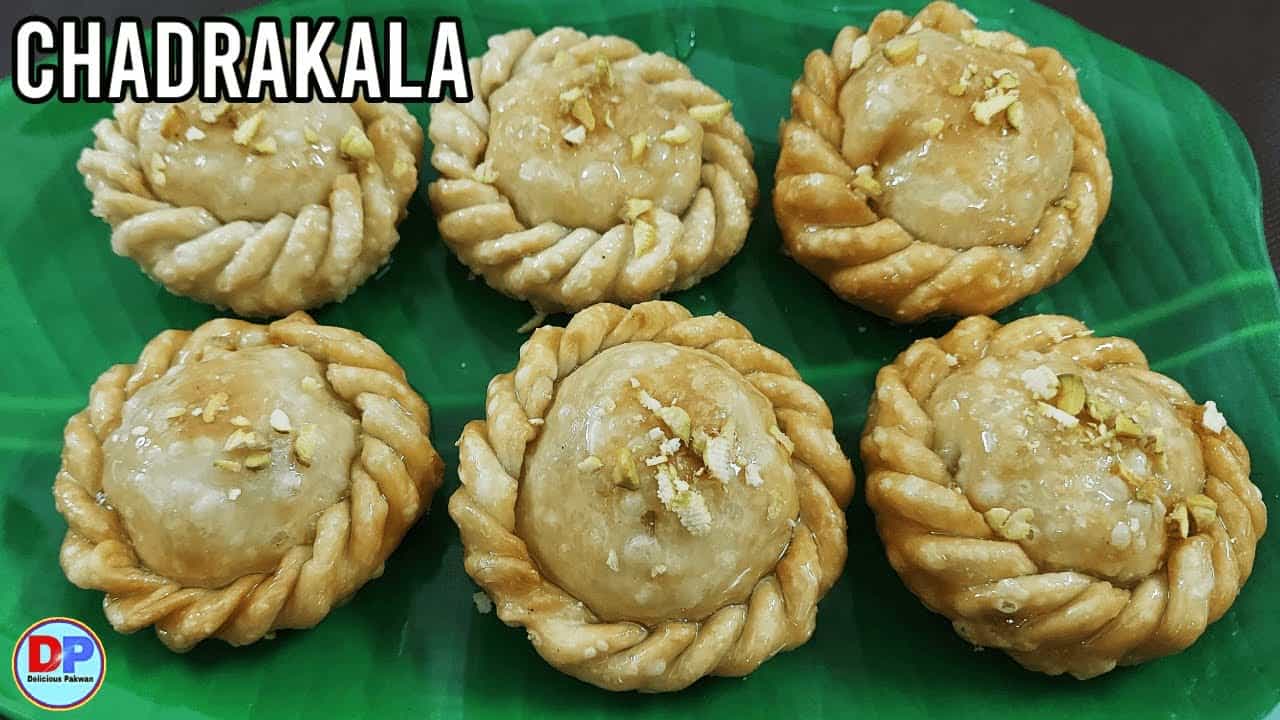
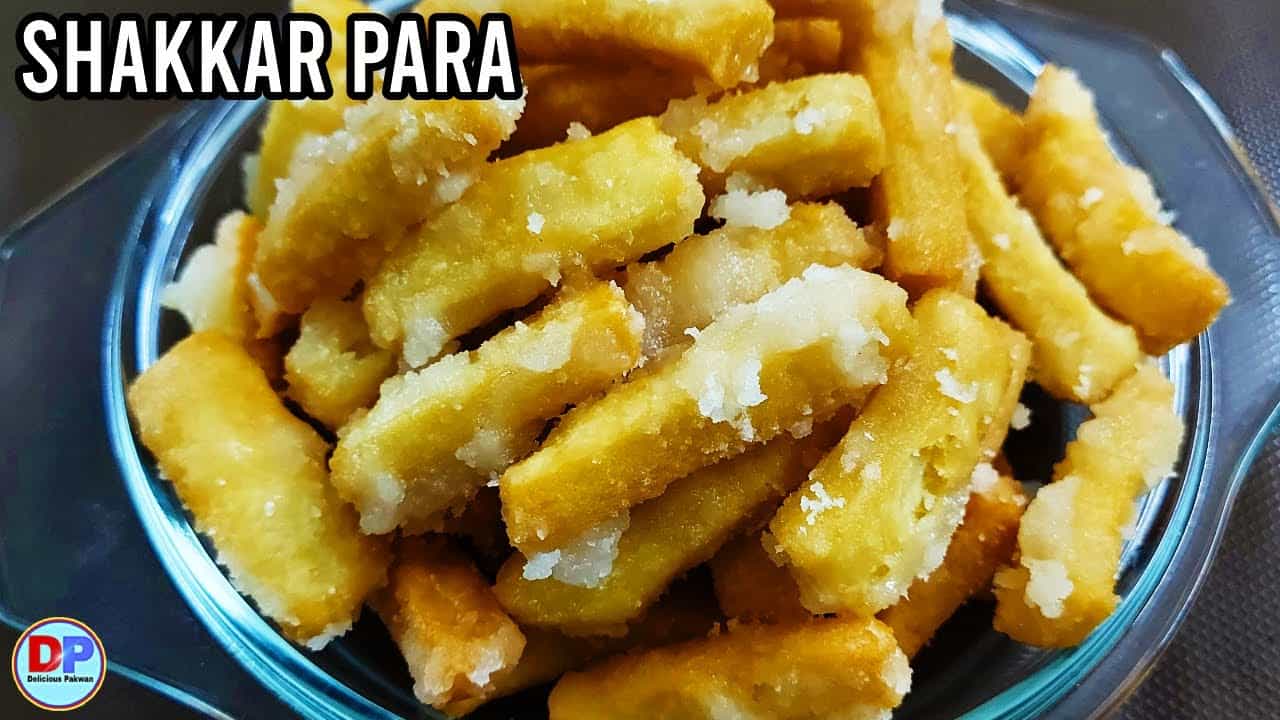
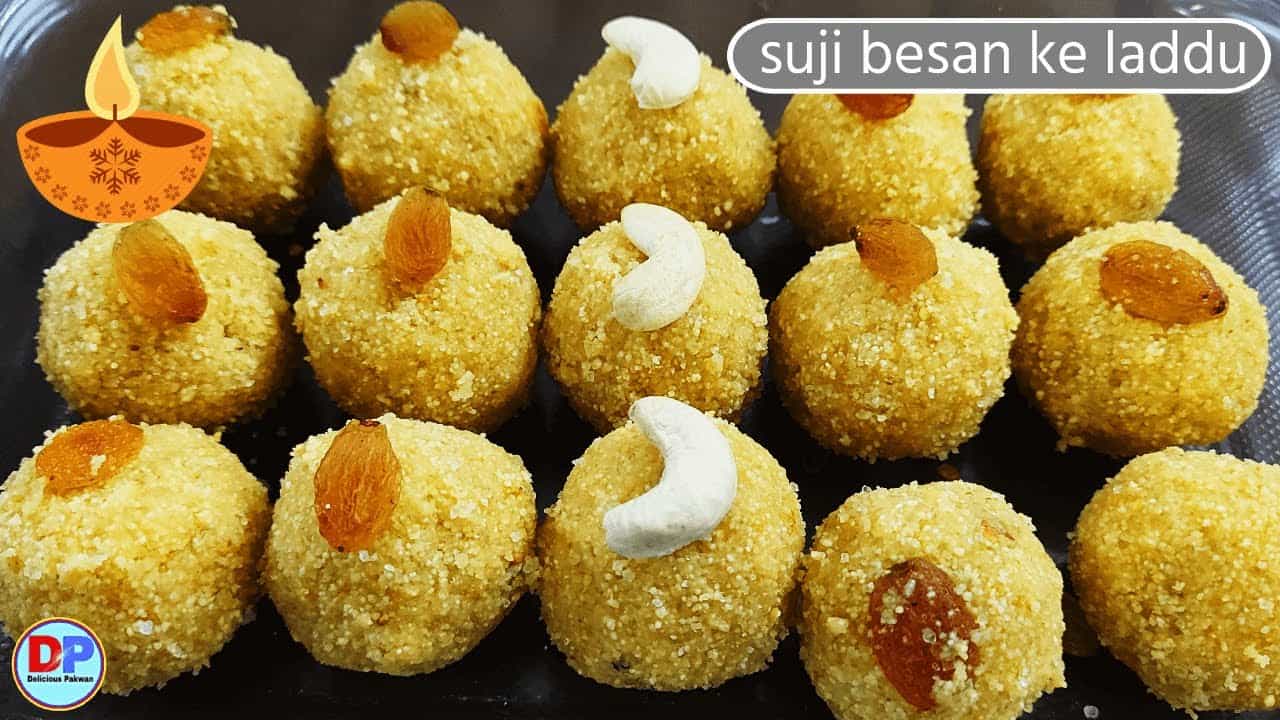
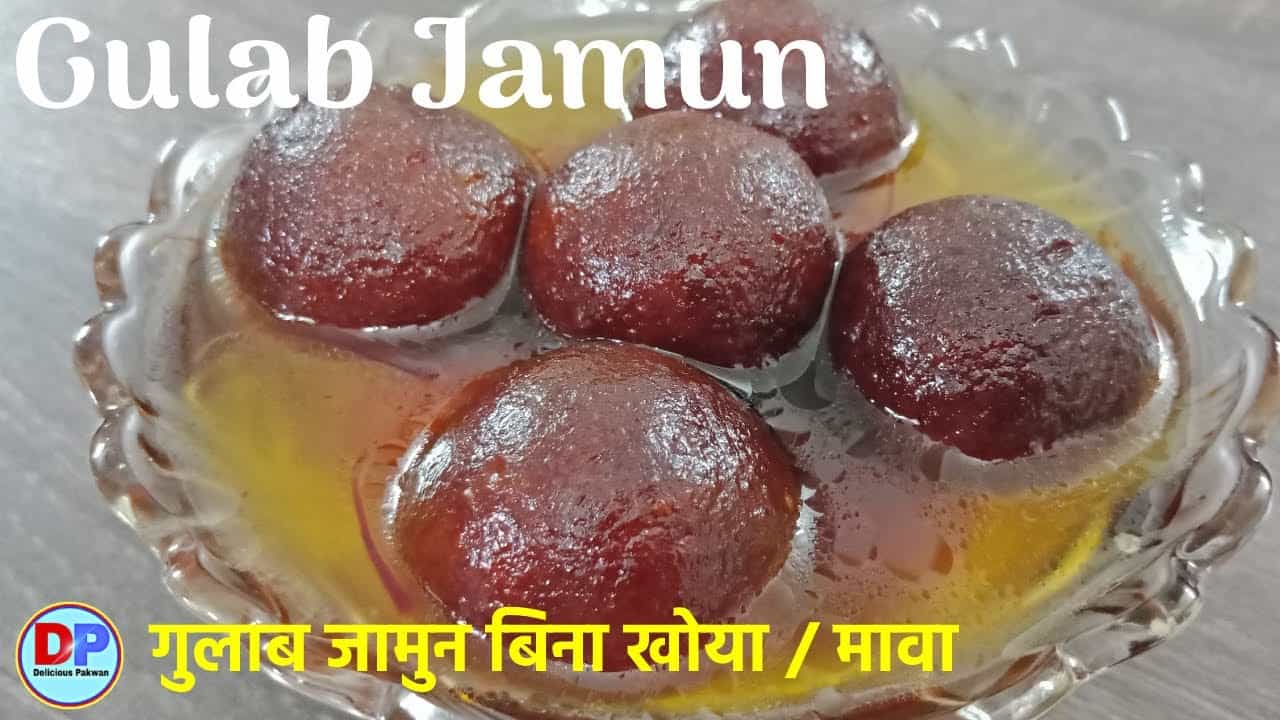
Many syrup-based sweets depend on sugar syrup at a specific consistency. Test small drops on a plate to see if the syrup sets to the required thread or tackiness before adding fried or soaked pieces.
Flours and semolina develop a nutty flavour and better texture when gently roasted in a dry pan or with a little fat until they give off a pleasant aroma; this step improves final taste and reduces raw afternotes.
For evenly browned and non-greasy fried sweets, keep oil at a steady medium temperature. If oil is too hot the exterior browns while the inside stays undercooked; if too cool, sweets absorb excess oil.
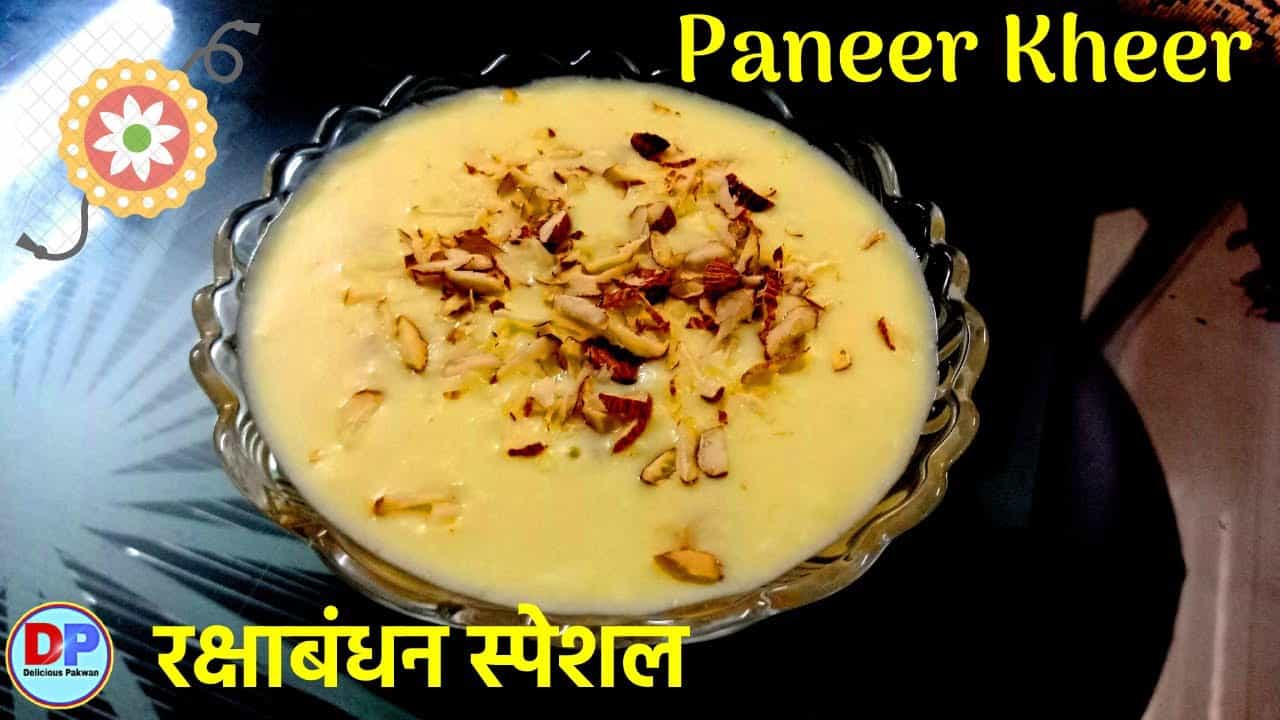
When working with milk or paneer, use fresh ingredients and heat slowly to prevent curdling; reduce gently for thicker textures and stir frequently to avoid sticking.
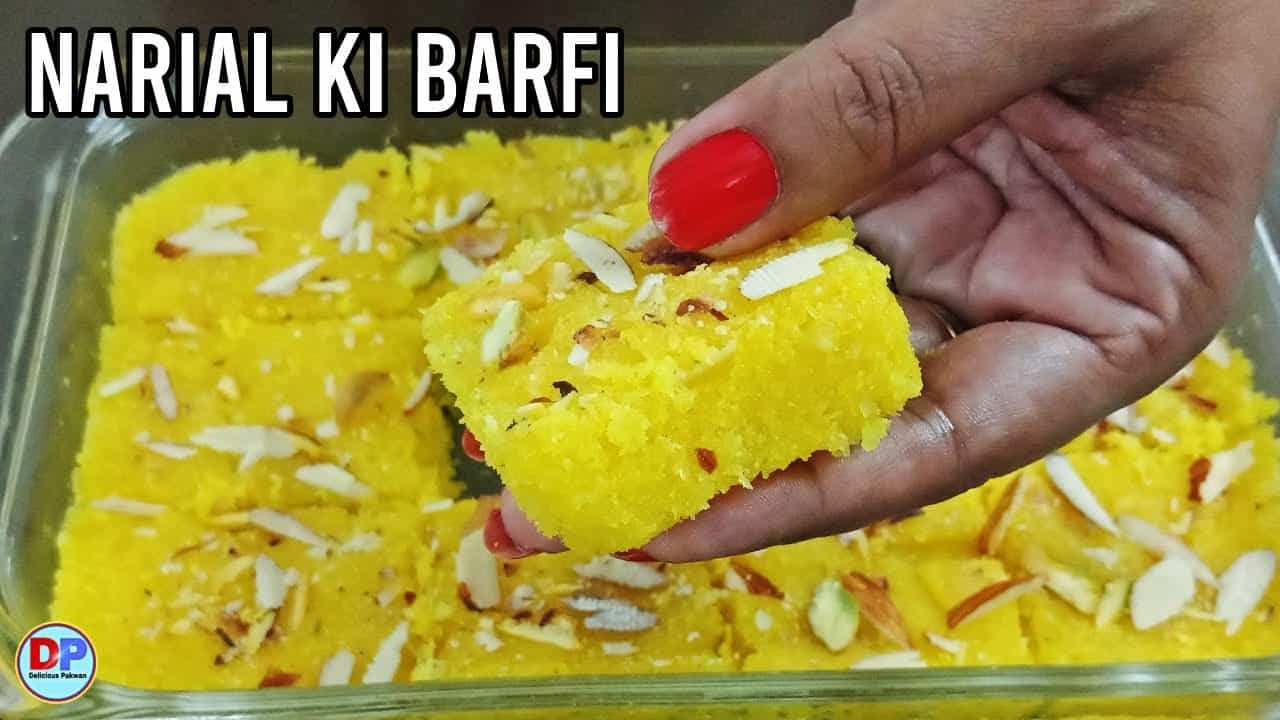
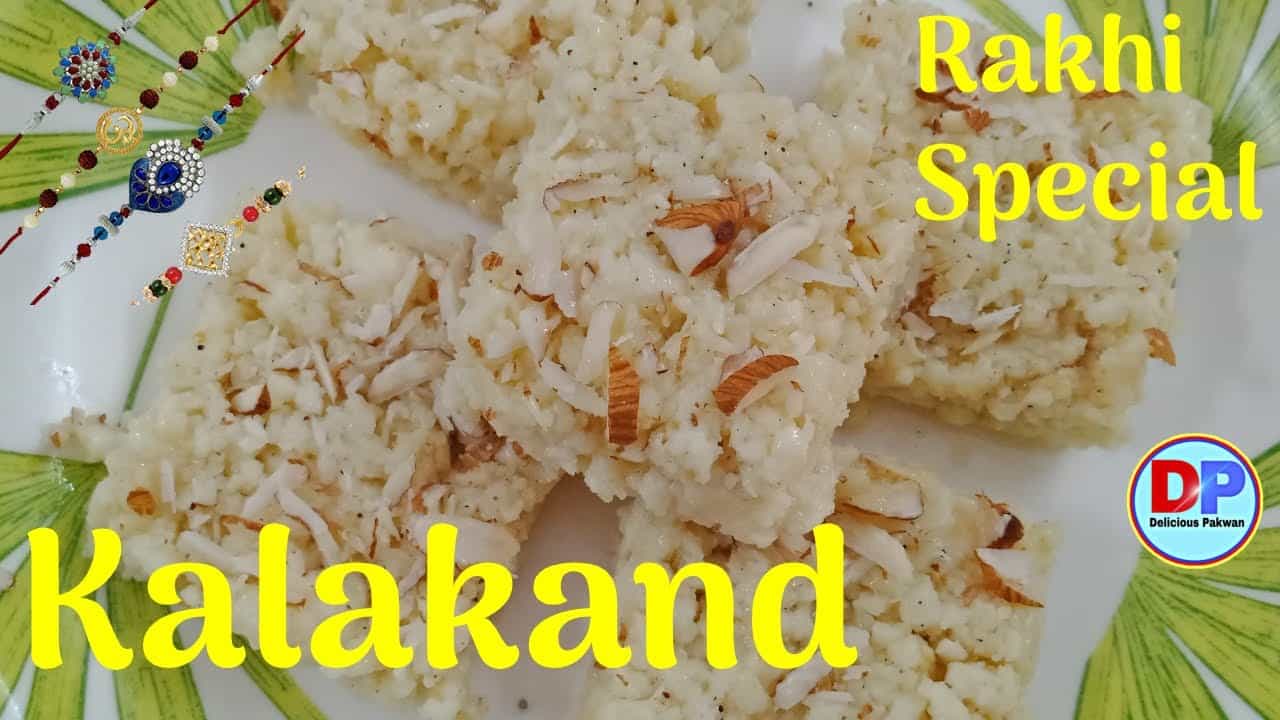
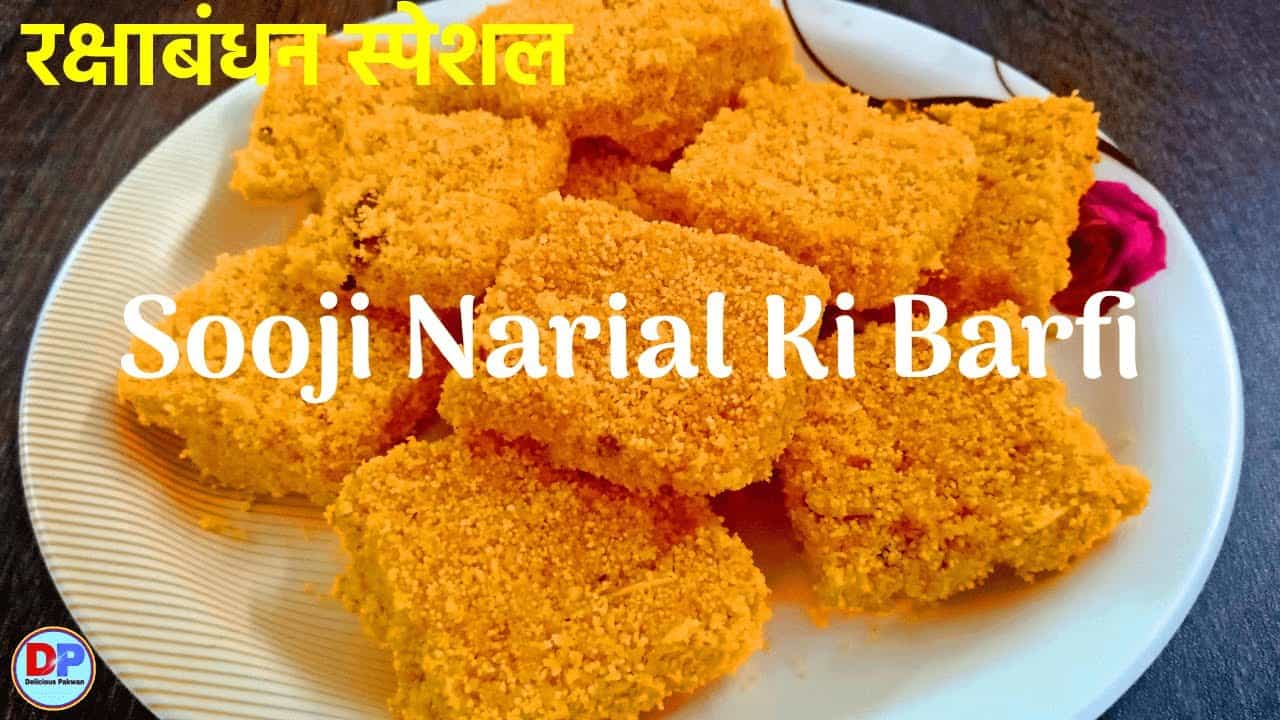
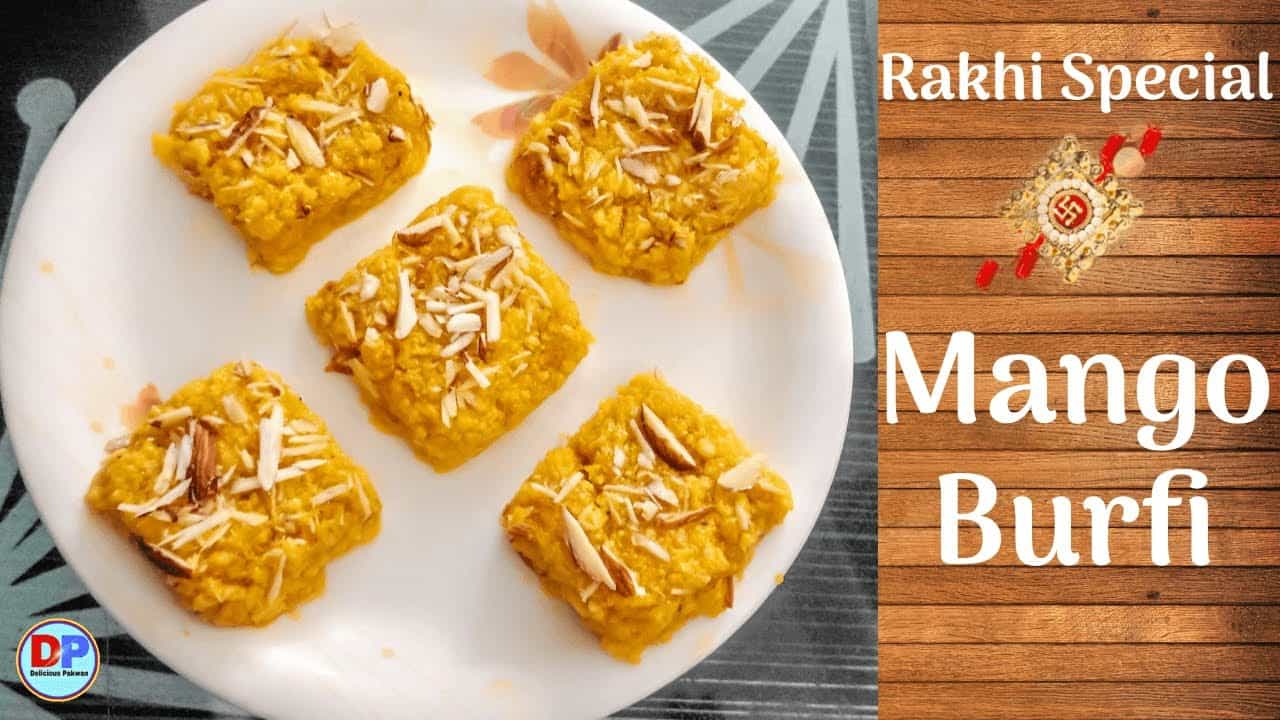
Several barfi and kalakand-style sweets need time to set. Pour into a lined tray and allow adequate cooling and refrigeration before cutting for clean edges and proper texture.
Adjust sugar considering the dessert’s delivery—dense sweets can handle more sugar than light chilled desserts. Layer spices or aromatic elements sparingly to complement, not overpower, sweetness.
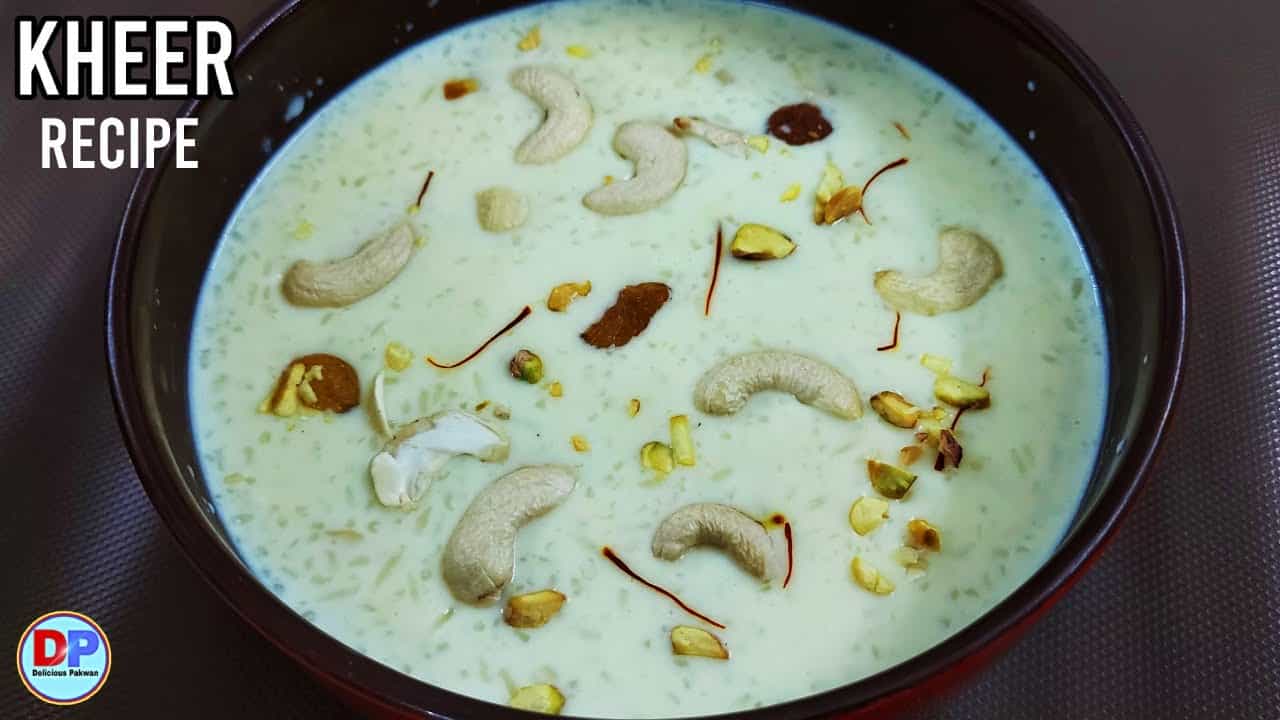
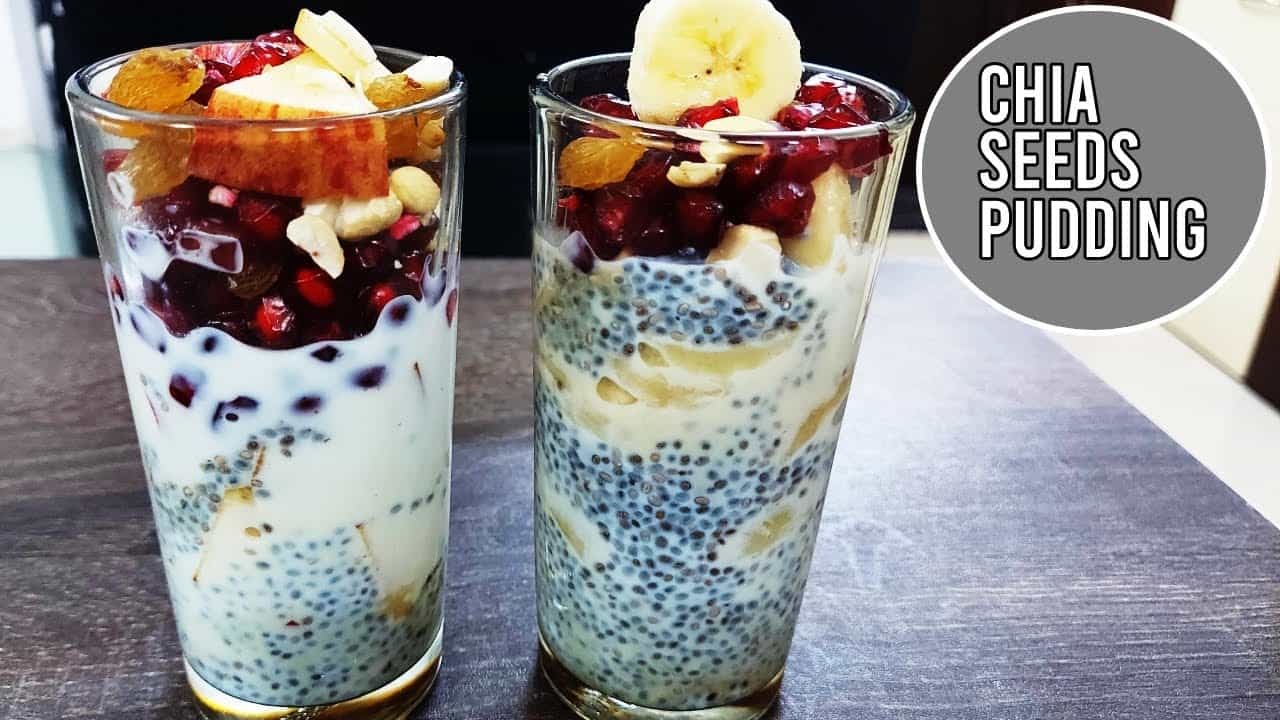
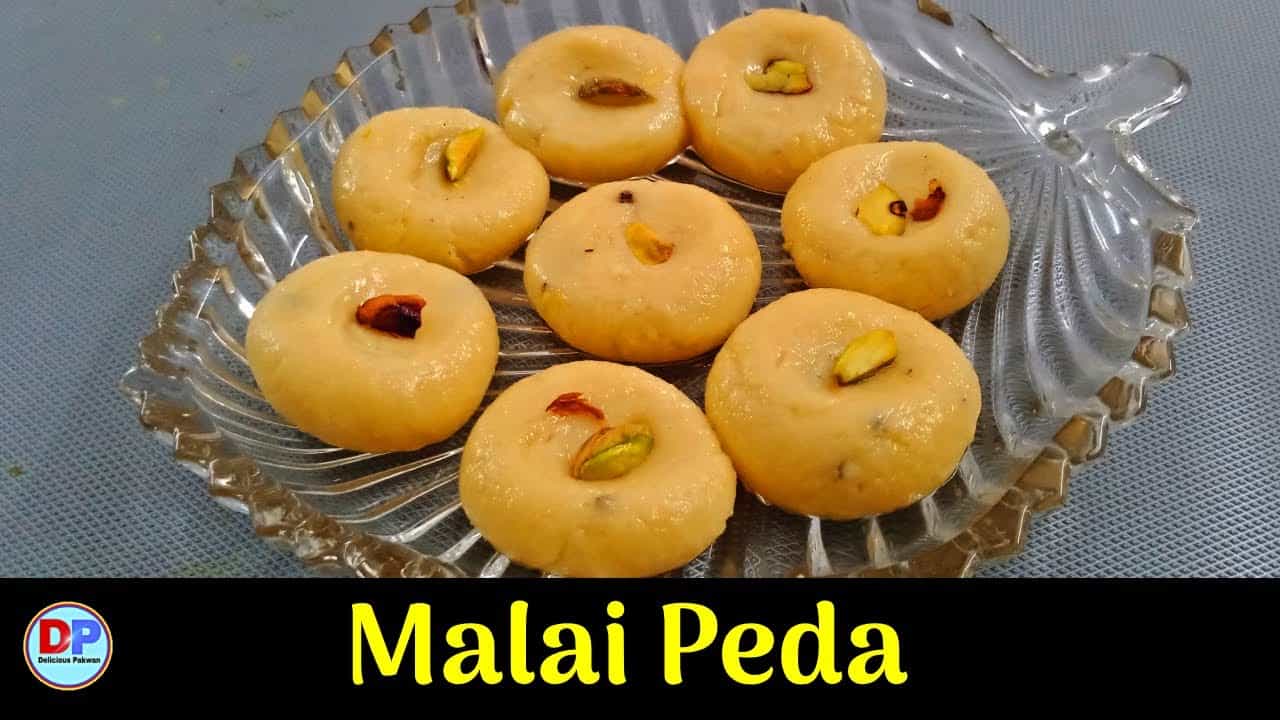
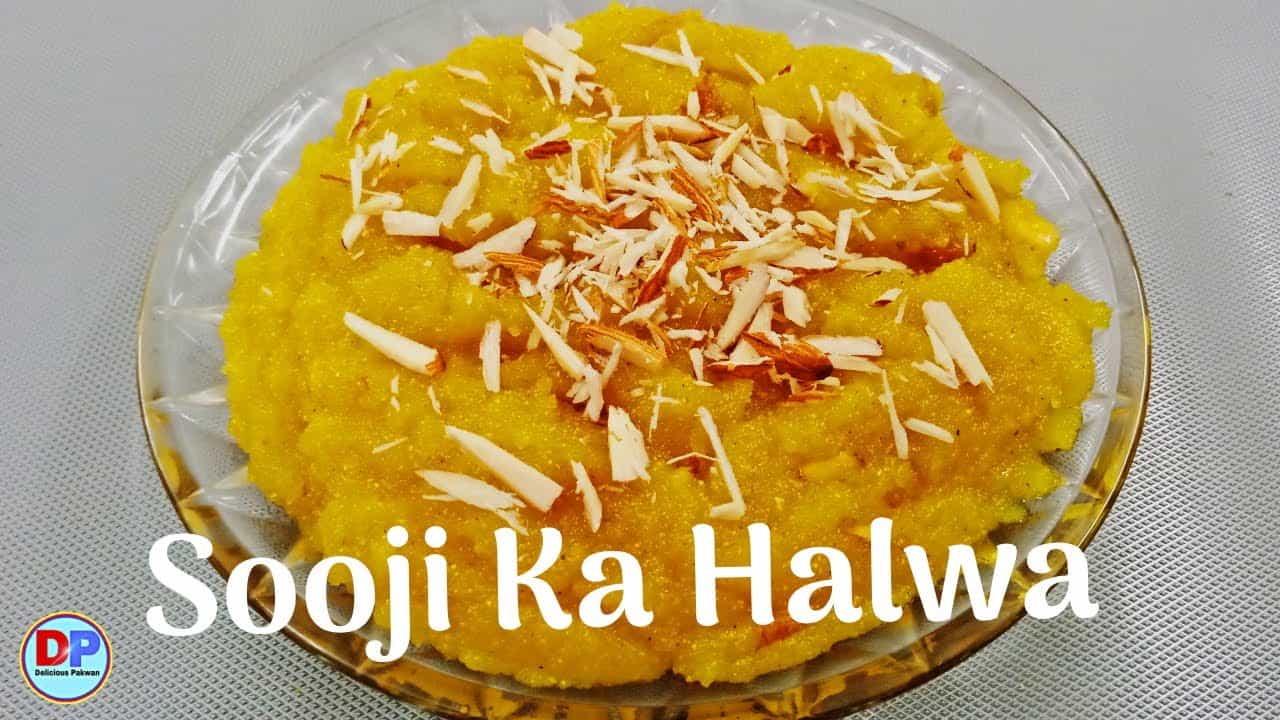
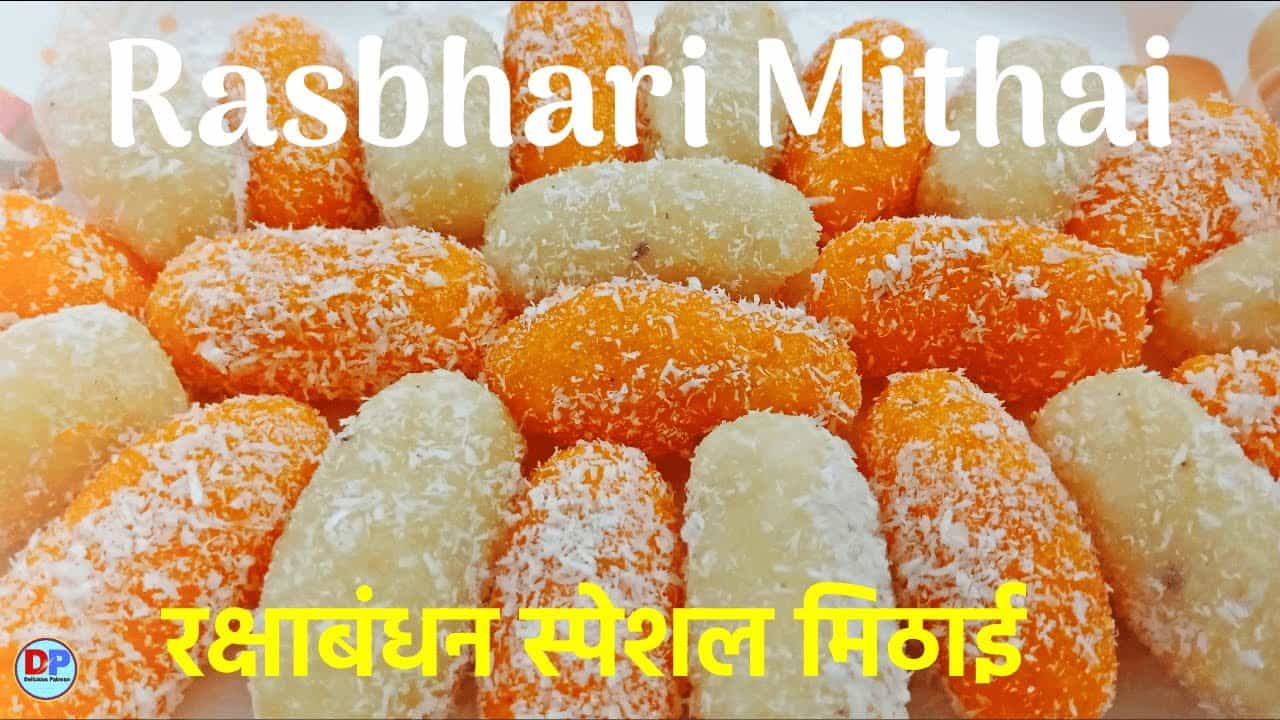
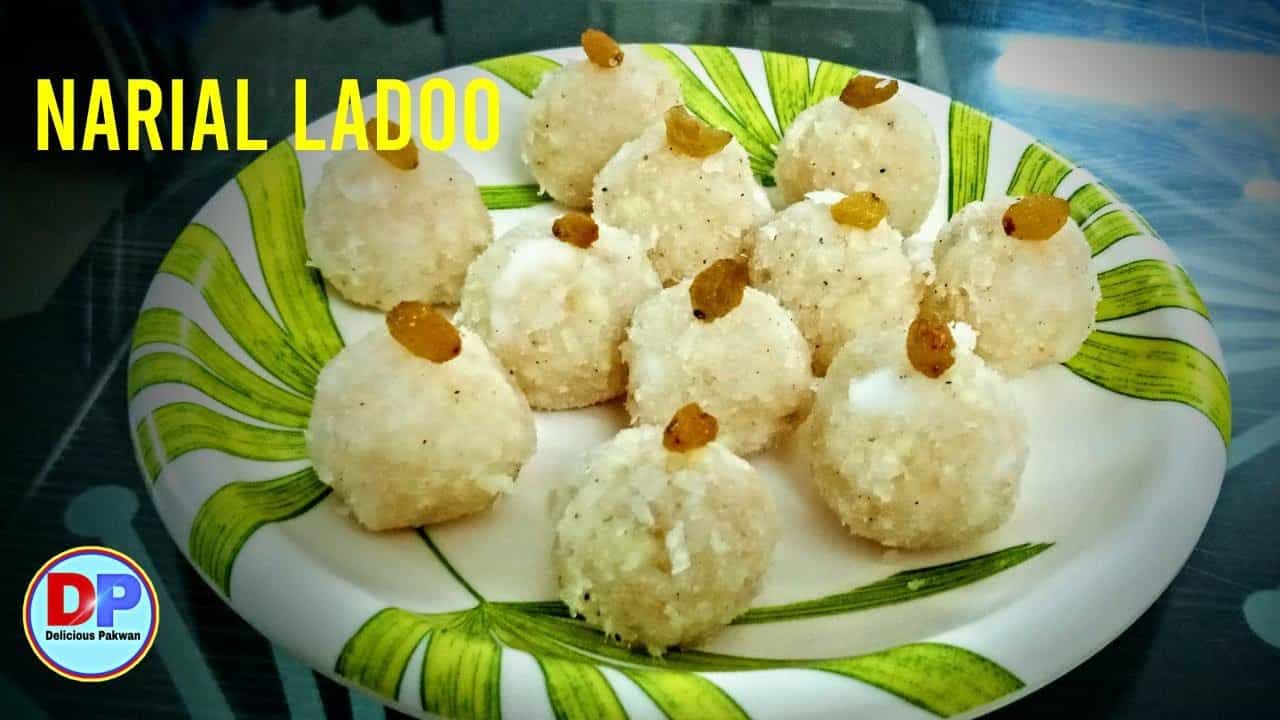
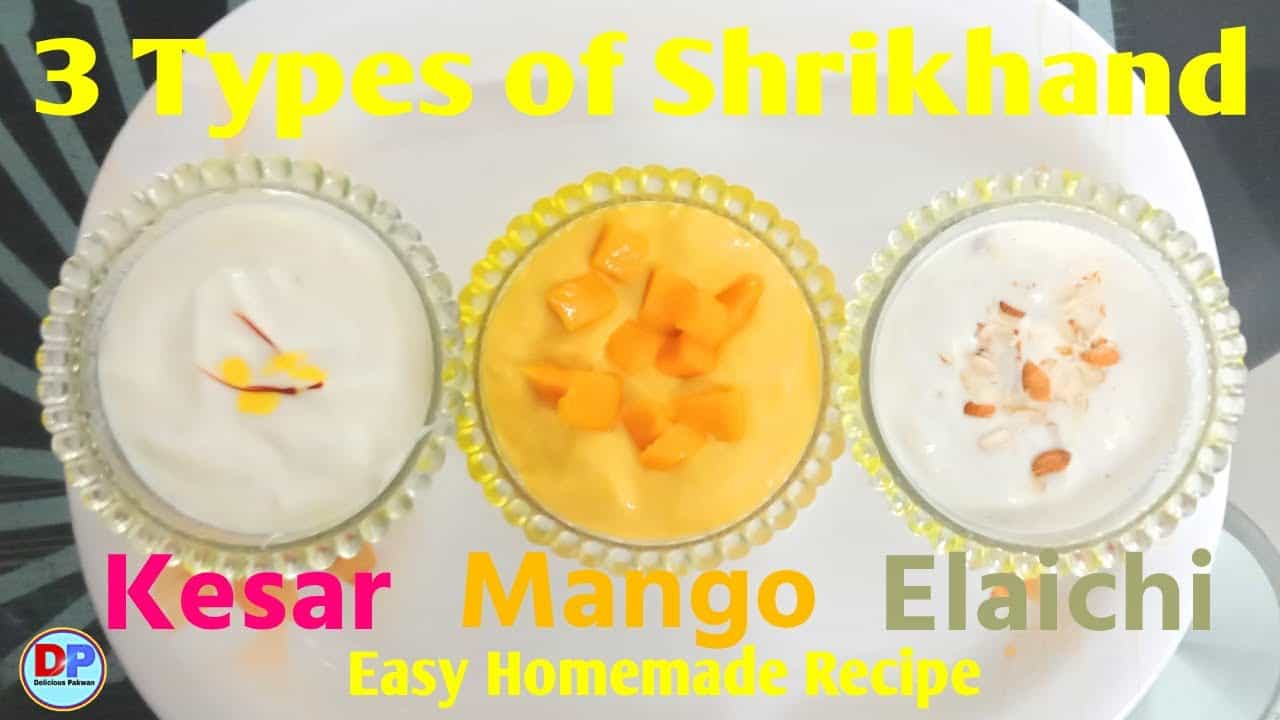
The playlist contains a broad mix: milk-based puddings and barfis, syrup-soaked fried sweets, flour- and semolina-based confections, coconut-based ladoos and barfis, chilled puddings and summer drinks, and several festival-special recipes.
Yes. Several recipes are straightforward and use common ingredients, while other videos demonstrate more traditional techniques for cooks who want to progress to advanced preparations.
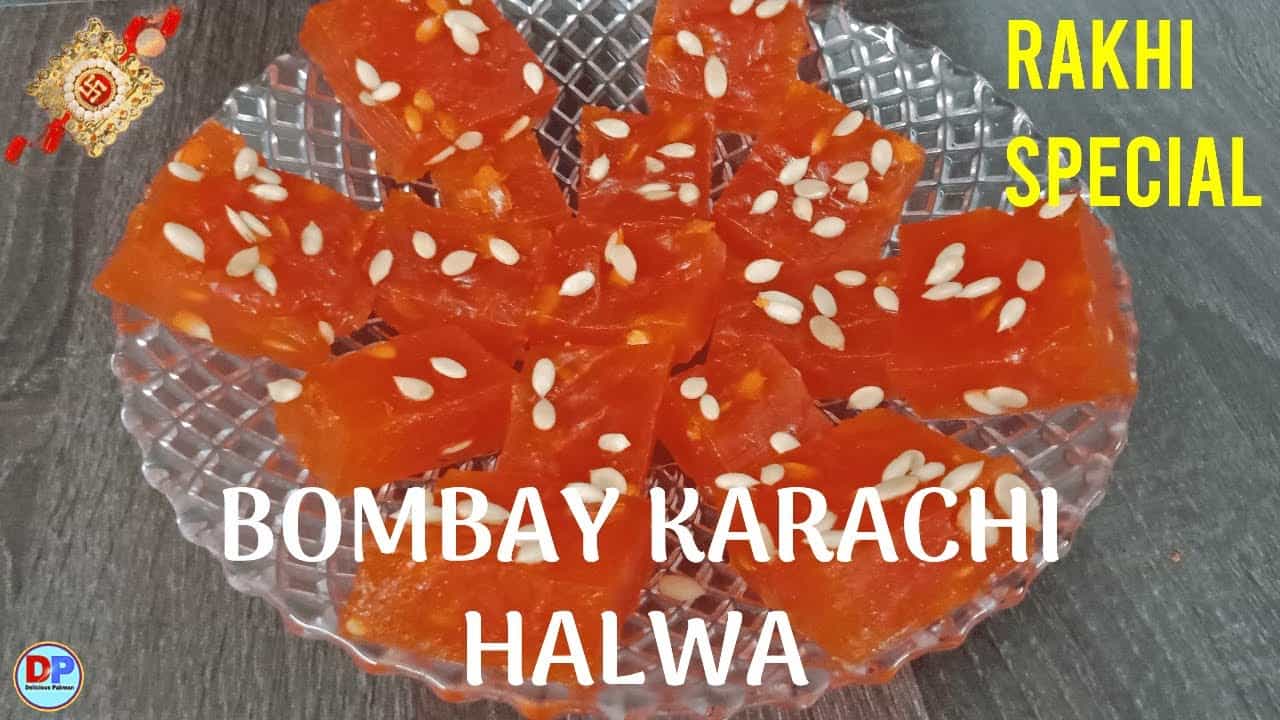
Recipes labeled as festival or special — including certain barfis, laddu varieties, kalakand and gujiya-style sweets — are presented with textures and shapes that suit gifting and festive presentation.
You will learn key dessert skills such as making and testing sugar syrup, roasting flours and nuts, reducing and thickening milk, frying at consistent temperatures, setting sweet mixtures, and balancing flavour with subtle seasoning.
Yes. The playlist includes chilled desserts and drinks that are appropriate for warm seasons, alongside richer sweets that are traditionally enjoyed year-round.
Choose recipes described as quick or labelled for everyday sweets—these typically use fewer steps and no long reductions. Chilled puddings and simple barfis can also be prepared with minimal active cooking time if some setting or chilling is done ahead.