Control oil temperature
Keep oil at a steady heat: too hot will brown the outside before the center cooks, too cool will make snacks absorb oil. Test with a small piece of batter before frying a full batch.
Playlist · 8 videos
A focused collection of vegetarian snack recipes that covers fried classics, lighter pan-cooked options, savory bite-sized snacks and simple chaat preparations. The playlist suits home cooks of all levels and emphasizes practical kitchen skills like batter consistency, stuffing and frying technique so you can reproduce dependable, flavorful snacks for tea-time, lunchboxes and small gatherings.
This playlist gathers approachable vegetarian snack recipes that range from deep-fried favorites to quick stovetop and tossed preparations. Videos demonstrate how to handle common pantry ingredients—poha, lentils, sabudana, bread, corn and soya—while showing technique details such as forming cutlets, managing batter thickness and finishing chaat for fresh flavor. The selection includes both traditional Indian snacks and fusion-style ideas, offering adaptable recipes for everyday cooking and occasional treats.
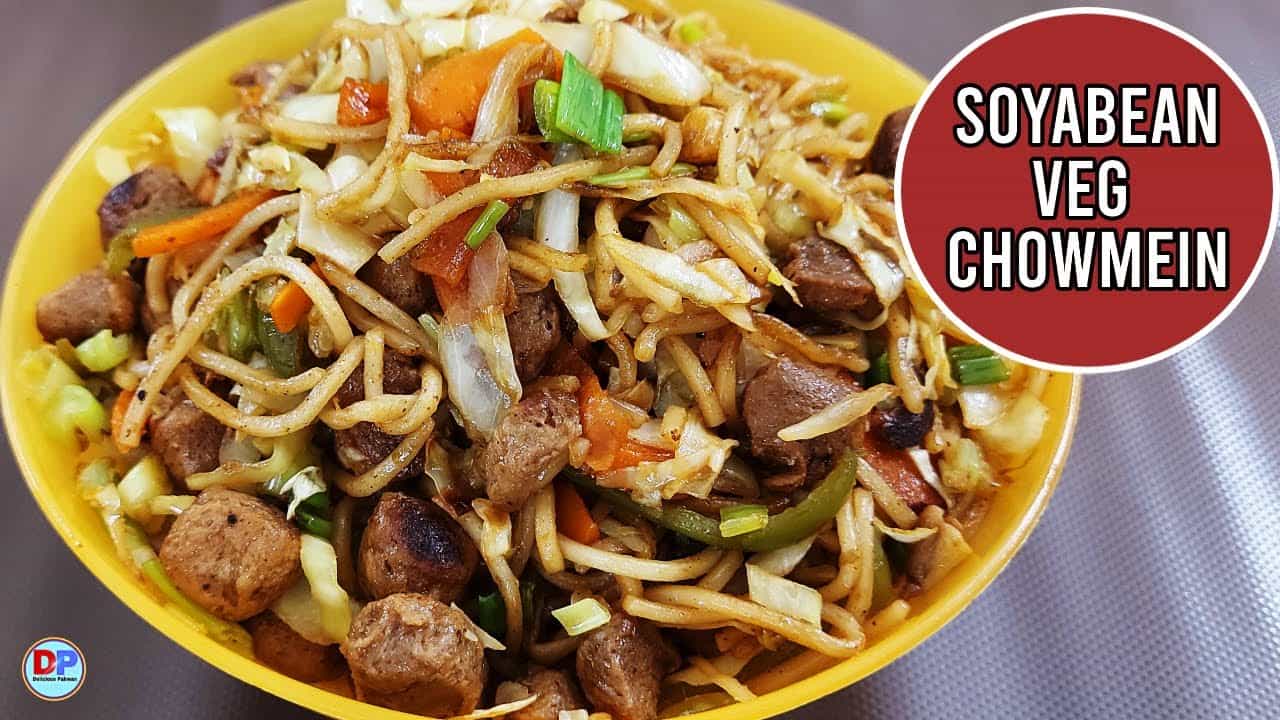
Browse recipes that deliver varied textures and simple flavor builds: crisp fritters and vadas, bread-based cutlets, cheesy sandwiches, tangy chaat and stir‑fried noodles using soya chunks. Each recipe emphasizes practical steps you can replicate at home: preparing consistent batters, shaping and stuffing components, controlling frying heat to avoid greasy results, and balancing seasoning at the end. Because many recipes use widely available ingredients and straightforward methods, they are easy to adapt for seasonal vegetables, milder or bolder spice levels, and meal planning for tea-time, packed lunches or small celebrations.

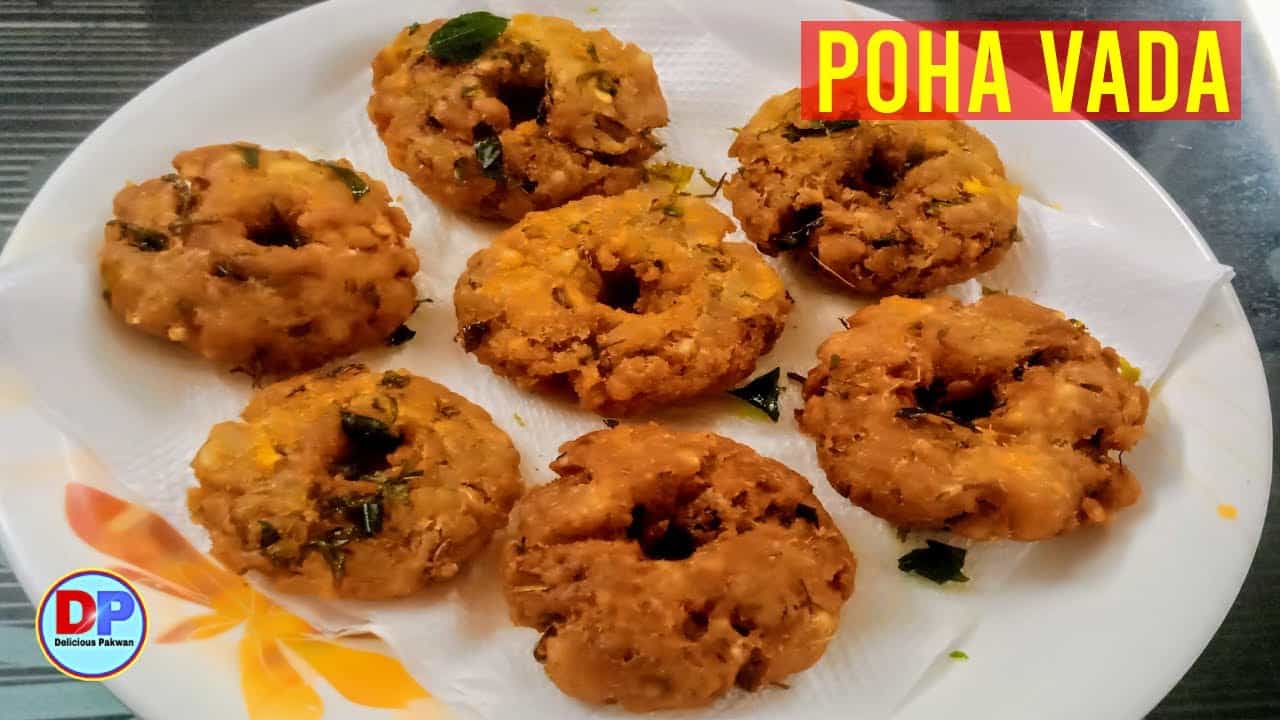
Keep oil at a steady heat: too hot will brown the outside before the center cooks, too cool will make snacks absorb oil. Test with a small piece of batter before frying a full batch.
Batter and binding mixtures should be neither too runny nor too thick; a drop of batter should coat a spoon. Adjust with small amounts of water or dry ingredients for the right texture.
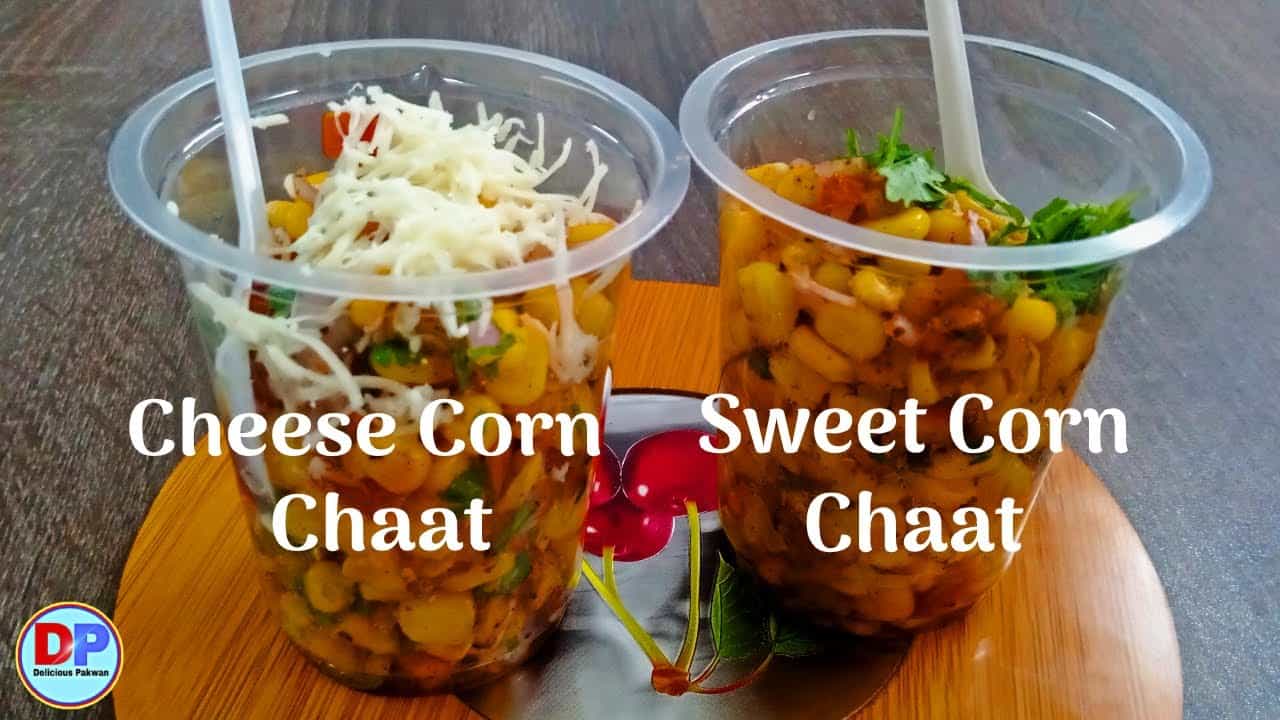
For fresh, bright flavors, add acidic and fresh elements (lemon, cilantro, chopped onions) just before serving so textures and brightness remain vibrant.
Many recipes accept simple swaps—use seasonal vegetables in cutlets or vadas to keep costs down and flavors fresh while keeping the same technique.
Where appropriate, shallow‑fry, pan‑toast or oven‑bake instead of deep‑frying to reduce oil. Press excess oil on paper and serve freshly crisped for best texture.
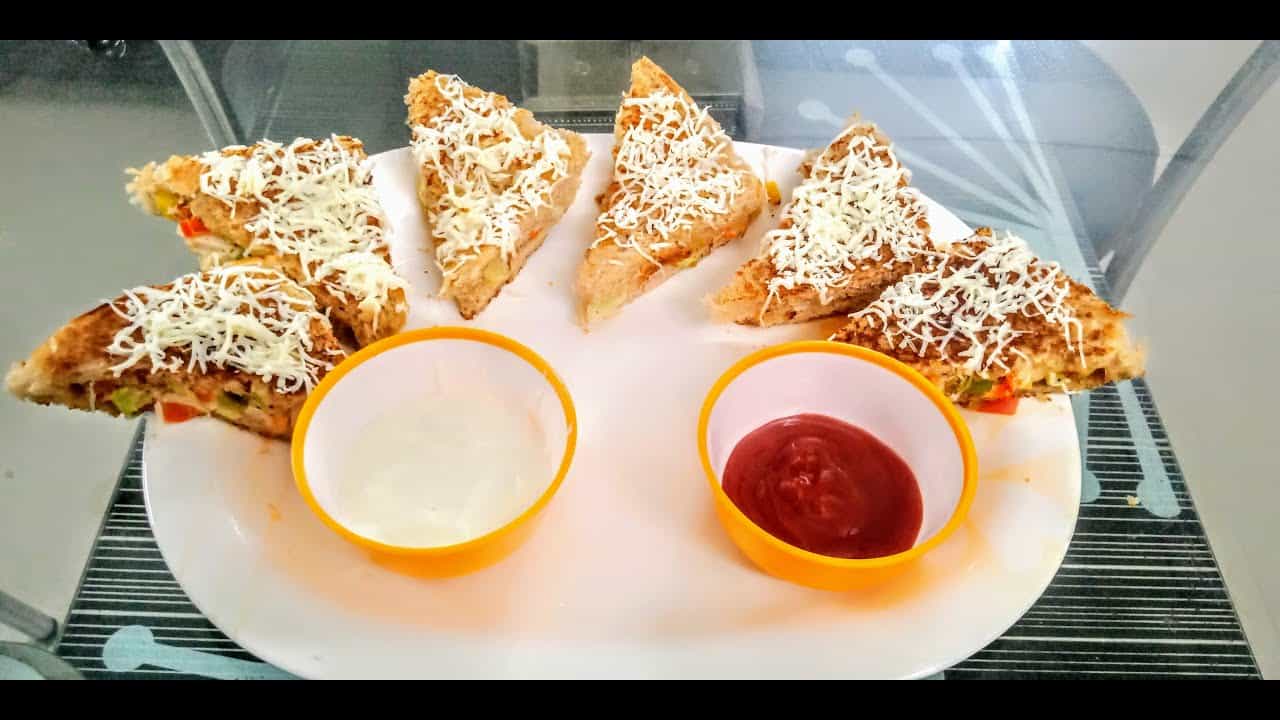
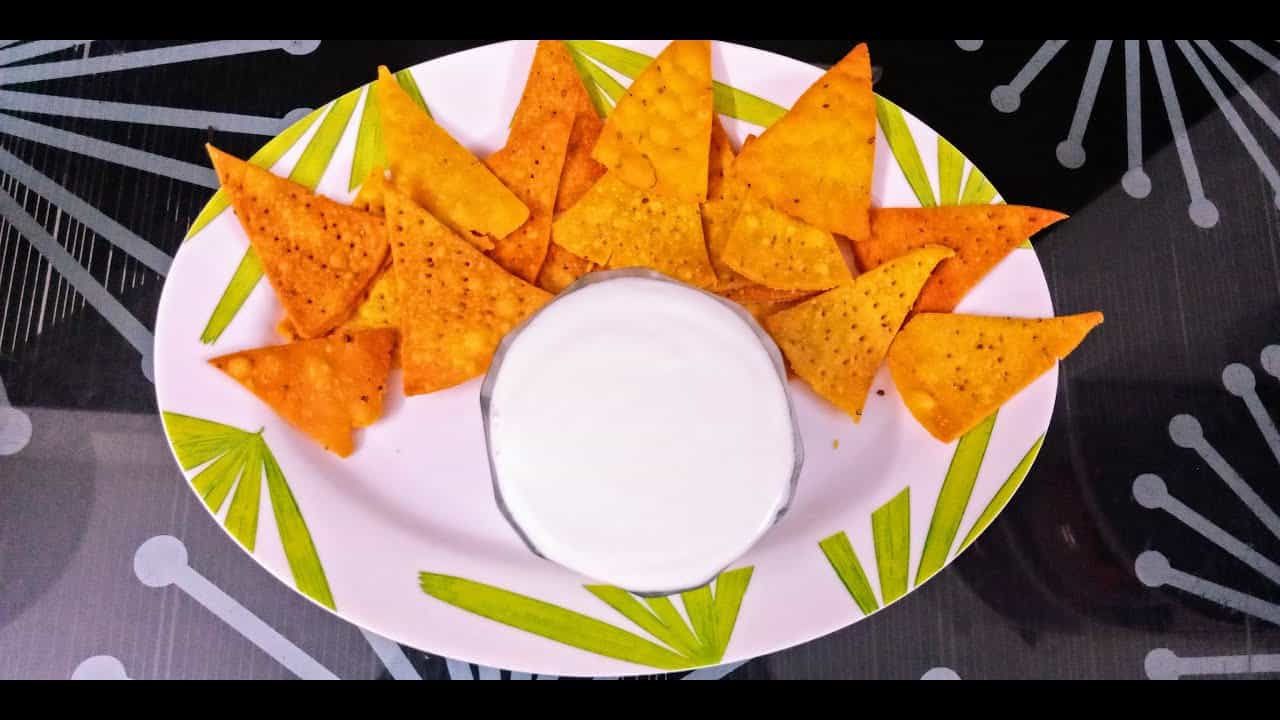
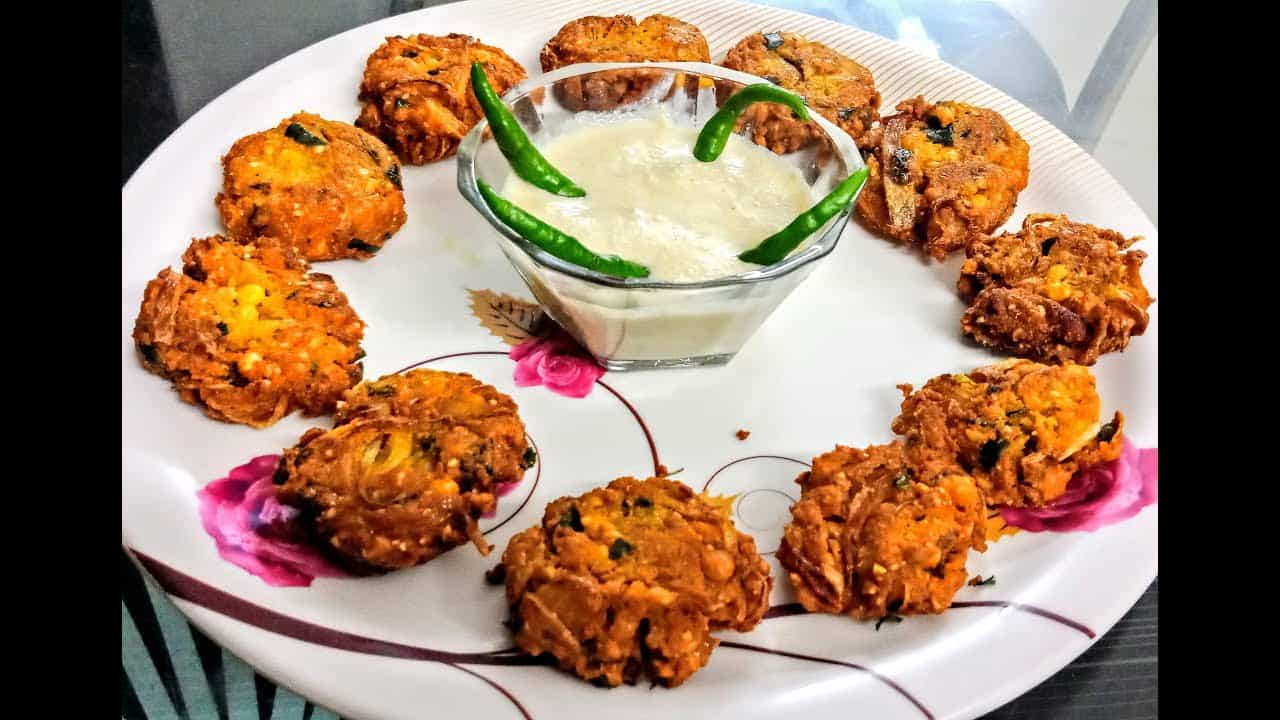
The collection includes fried fritters and vadas, bread cutlets, a grilled cheese sandwich, tangy chaat, nachos-style snack ideas and a stir‑fried noodle dish—offering both traditional and fusion snack styles.
Yes. Many demonstrations focus on basic steps—mixing batters, shaping cutlets, frying safely and seasoning—so a beginner can follow along and build confidence gradually.
Several recipes can be adapted: use shallow frying or baking in place of deep frying, increase vegetables in cutlets, reduce added salt or cheese, and choose whole‑grain bread or lower‑oil cooking methods when possible.
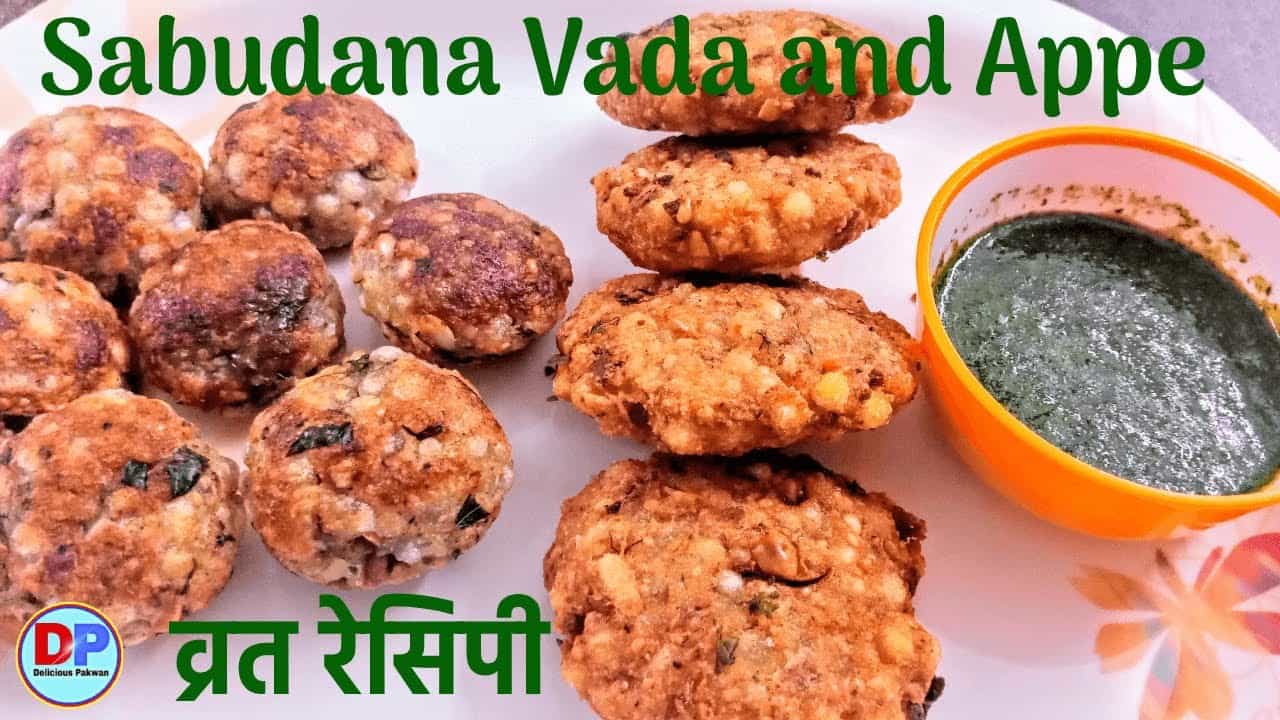
Some videos specifically present fasting‑friendly preparations. Look for recipes that use ingredients commonly allowed during fasts; follow the video guidance and ingredient list to confirm suitability.
Avoid overcrowding the pan, keep oil at consistent temperature, drain fried items briefly on a rack or paper, and serve soon after cooking for best crispness.
Many components—like doughs, batters and cutlet mixtures—can be prepared in advance and stored chilled. For best texture, fry or crisp items just before serving and assemble chaat elements at the last minute.