Soak starches with care
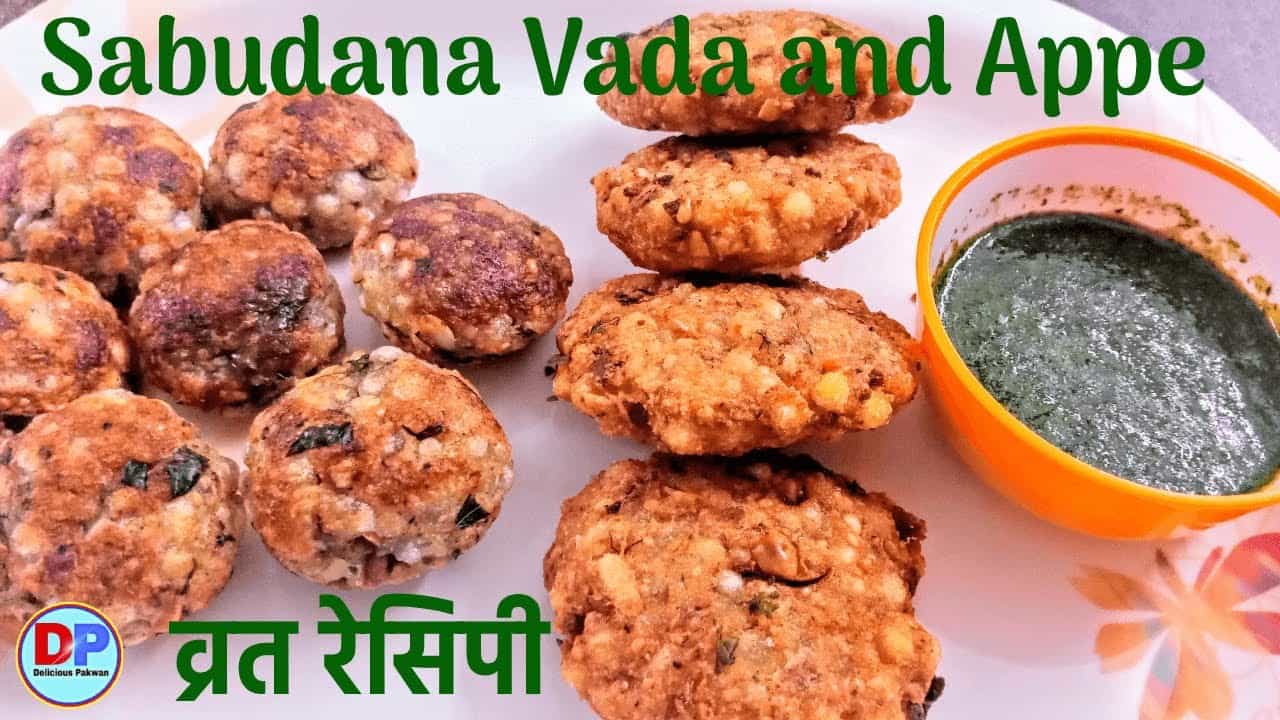
Soaking sabudana until pearls are soft but not waterlogged prevents sticky batter and helps vadas and chillas hold together while keeping texture light.
Playlist · 2 videos
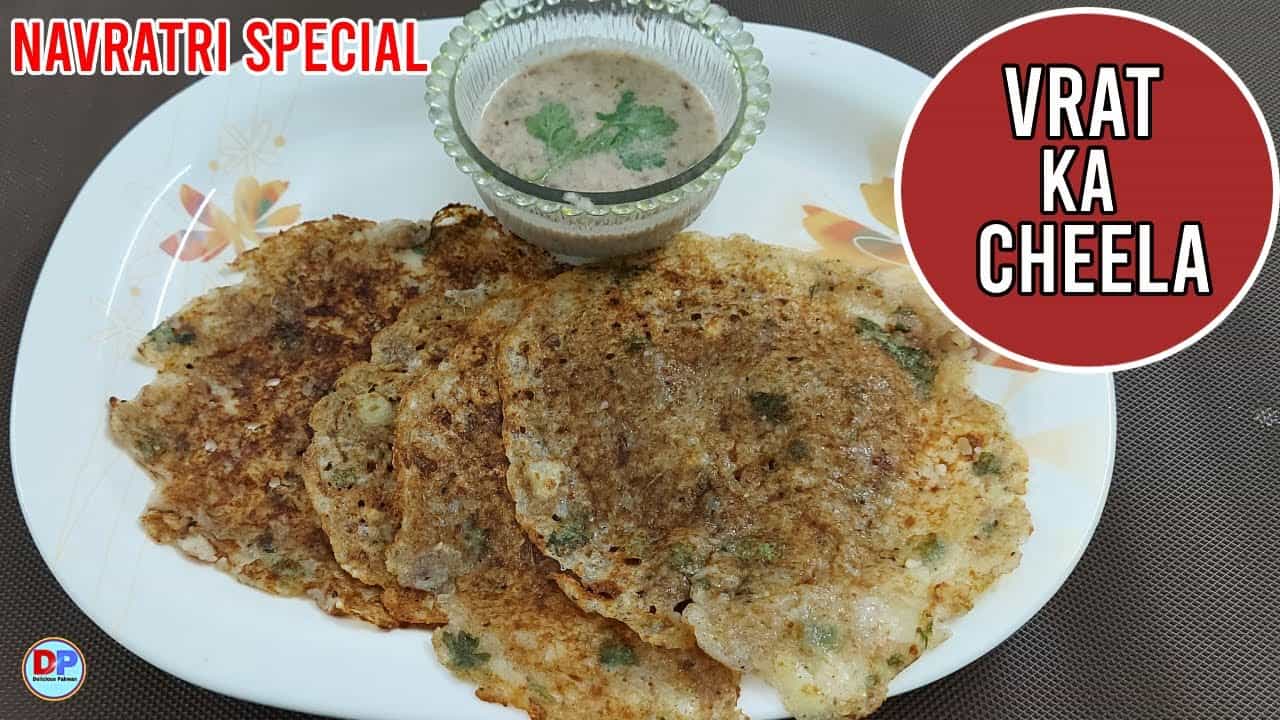
A focused collection of Indian fasting recipes and meal ideas that use ingredients commonly permitted during vrat days, such as sabudana, potatoes, buckwheat flour and water chestnut flour. The playlist combines breakfast options, snacks, desserts and full-meal suggestions with practical demonstrations of soaking, roasting, shallow frying, steaming and pressure cooking techniques relevant to fasting cooking.
This playlist gathers home-style fasting recipes designed to be both satisfying and simple to prepare. It emphasizes ingredients traditionally used during Indian fasts and shows how modest pantry staples can be transformed into filling breakfasts, light meals, teatime snacks and sweet treats suitable for Navratri, Ekadashi, Shivratri and other vrat days. Recipes and demonstrations aim to help cooks plan balanced fasting menus without compromising on flavor.
The Vrat Recipes playlist groups recipes that follow common fasting ingredient rules and everyday kitchen methods. Videos cover sabudana-based preparations, shallow frying techniques for crisp snacks, and ways to work with buckwheat and water chestnut flours for breads and sweets permitted during fasts. The collection also demonstrates time-saving preparation steps—like proper soaking of starches and batching prepped components—so you can assemble fasting meals efficiently. Instructional focus remains on clear, repeatable steps suitable for home cooks at any experience level, with suggestions for adapting recipes by regional custom or ingredient availability.
Soaking sabudana until pearls are soft but not waterlogged prevents sticky batter and helps vadas and chillas hold together while keeping texture light.
For shallow-fried snacks, gently squeeze excess moisture from soaked ingredients and use a hot pan so items crisp on the outside while cooking through inside.
Buckwheat and water chestnut flours behave differently from wheat—mix them gradually to reach the right batter or dough consistency and prefer gentle mixing to avoid a dense result.
Prepare elements that can be combined across meals—such as roasted potatoes, toasted nuts, or soaked sabudana—so you can quickly assemble breakfasts, snacks and mains during a fasting day.
Typical ingredients shown across the playlist include sabudana (tapioca pearls), potatoes, sweet potatoes, dairy (milk, ghee), fruits, nuts and seeds, buckwheat flour and water chestnut flour, plus fasting-friendly herbs and seasonings.
Yes. The playlist emphasizes clear demonstrations and everyday kitchen tools, making many recipes approachable for cooks preparing fasting meals for the first time while still offering useful tips for experienced cooks.
Batch tasks such as soaking sabudana, roasting or boiling potatoes, and pre-portioning flours and nuts can save time. Store soaked or cooked components separately and finish crisping or assembling just before serving to retain texture.
The videos encourage flexibility: ingredient proportions, spice levels and types of permitted flours can be adjusted to reflect regional preferences or household traditions while keeping within fasting ingredient guidelines.
Soaking, shallow frying for crisp snacks, gentle steaming and pressure cooking for quick mains are the primary methods shown; each helps achieve satisfying textures using common kitchen equipment.