Start with tempering for consistent flavor
Learn to temper whole spices in hot oil or ghee at the start of many recipes; timing matters — add delicate spices and aromatics later to preserve aroma and avoid burning.
Playlist · 31 videos
A curated playlist of Indian-style recipes combining regional mains, snacks, starters and festival sweets with step-by-step demonstrations of core cooking techniques such as tempering, masala preparation, shallow frying and tawa and kadhai methods. Suitable for beginners and experienced home cooks seeking practical, home-style flavors.
This playlist gathers a wide range of Indian home recipes and cooking demonstrations that span North, South, East, West and Central Indian styles. It pairs approachable meal ideas — from breakfast and street-style snacks to restaurant-inspired mains and festive desserts — with practical technique-focused lessons. Videos show how to balance spices, prepare basic masalas, use a tawa and kadhai effectively, shallow-fry and finish dishes with simple garnishes so you can reproduce authentic flavours at home.
The collection emphasizes variety and practical learning rather than a single regional cuisine. Many videos demonstrate foundational skills such as tempering whole spices, roasting and grinding masalas, slow simmering gravies, and shallow frying snacks. The playlist also includes festival and fasting-friendly recipes, quick weekday mains, and restaurant-style preparations adapted for the home kitchen. Together these recipes form a learning path: start with simpler snacks and chillas, progress to gravies and pulao, then try sweets and dum-style rice dishes with greater confidence.
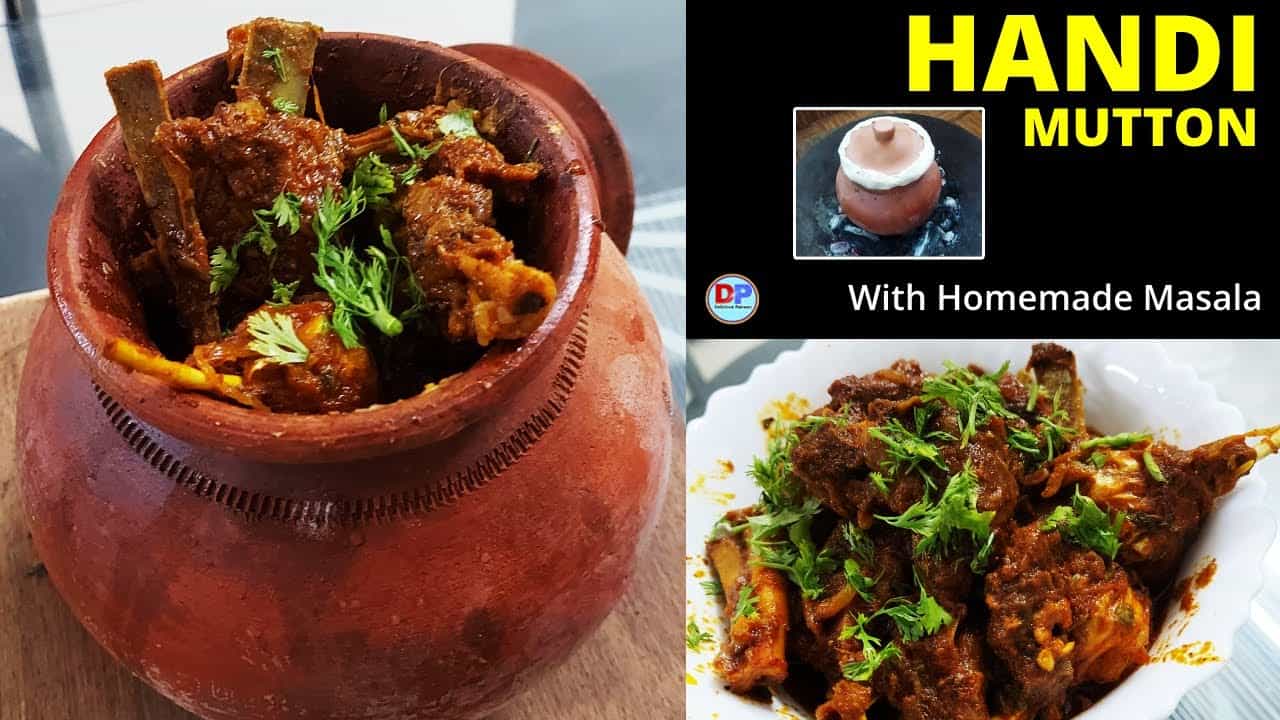
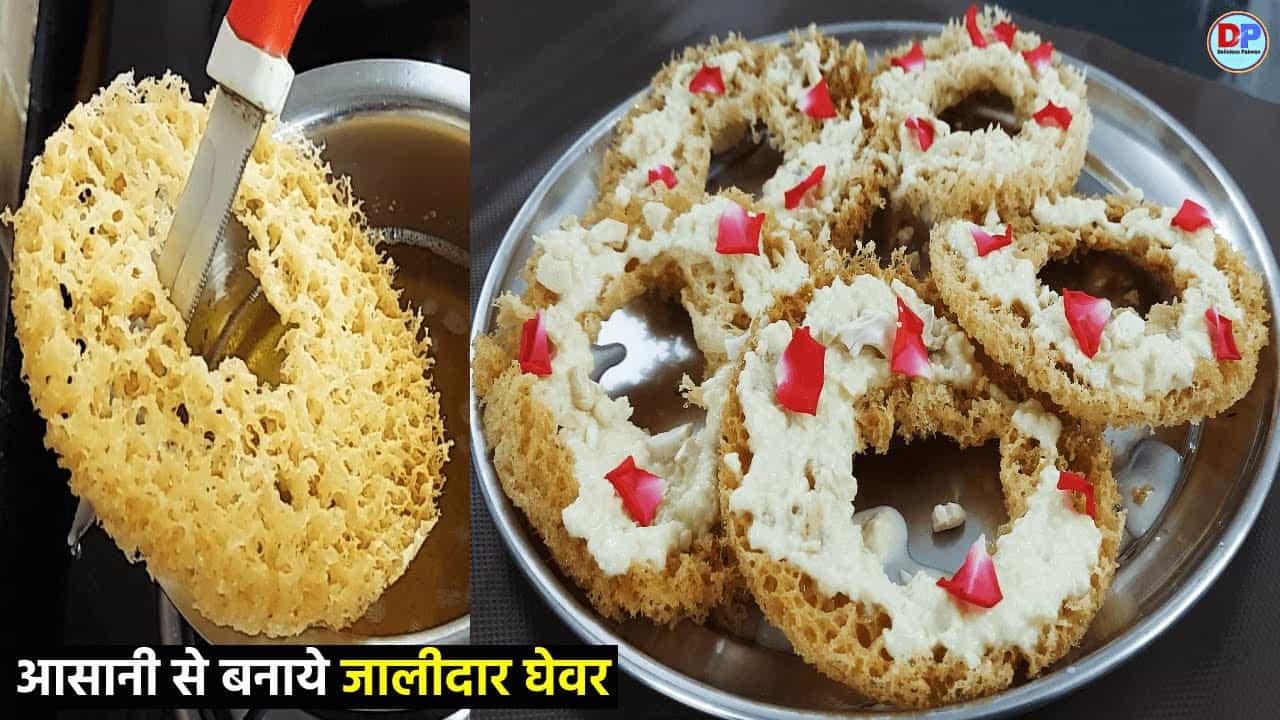
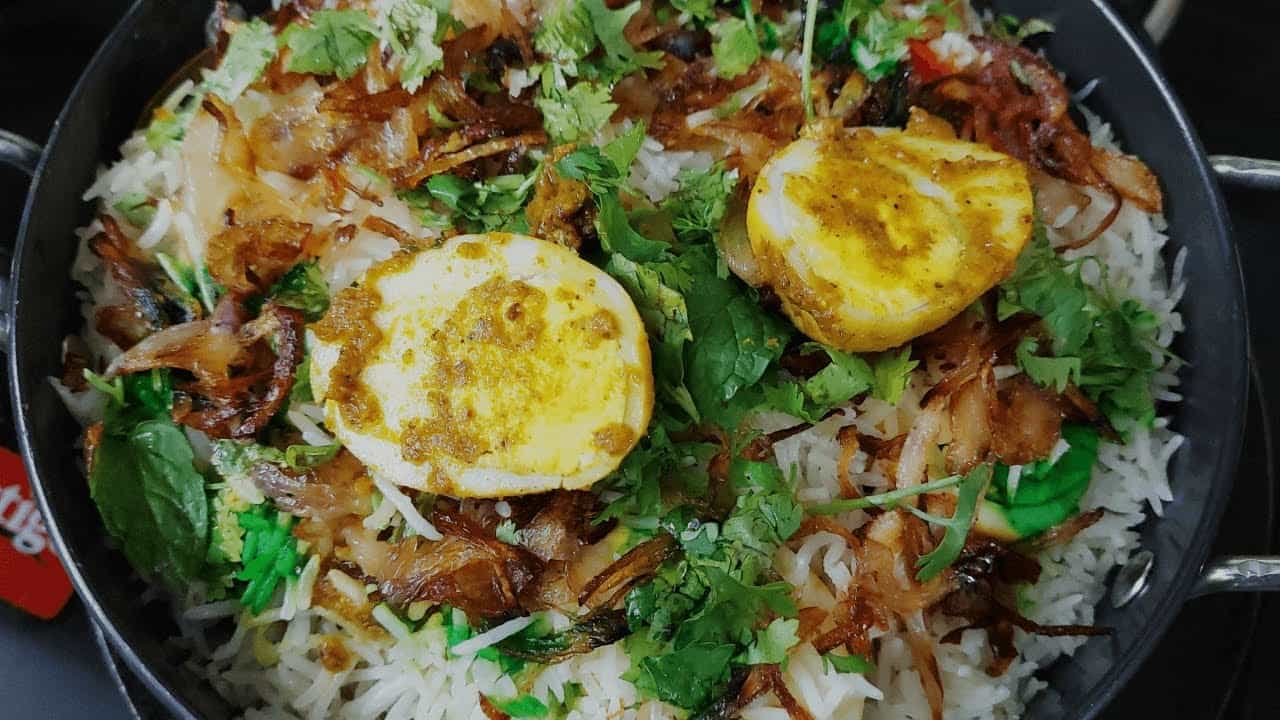
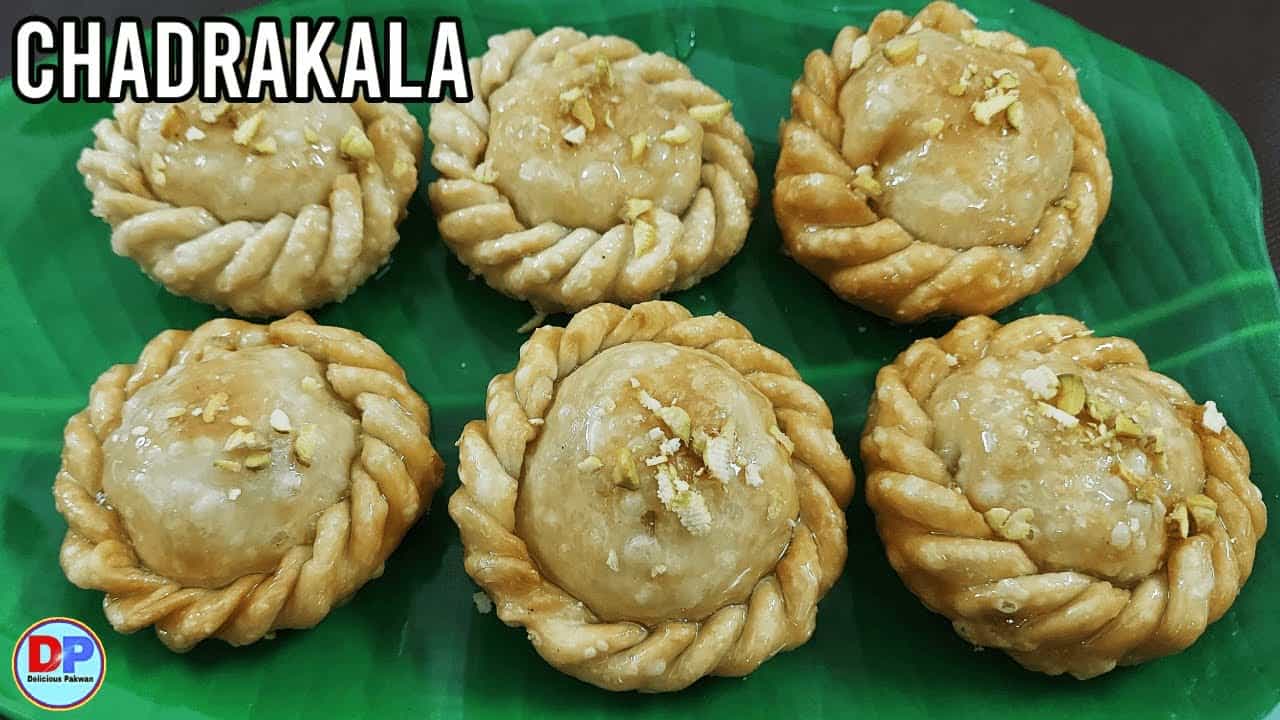
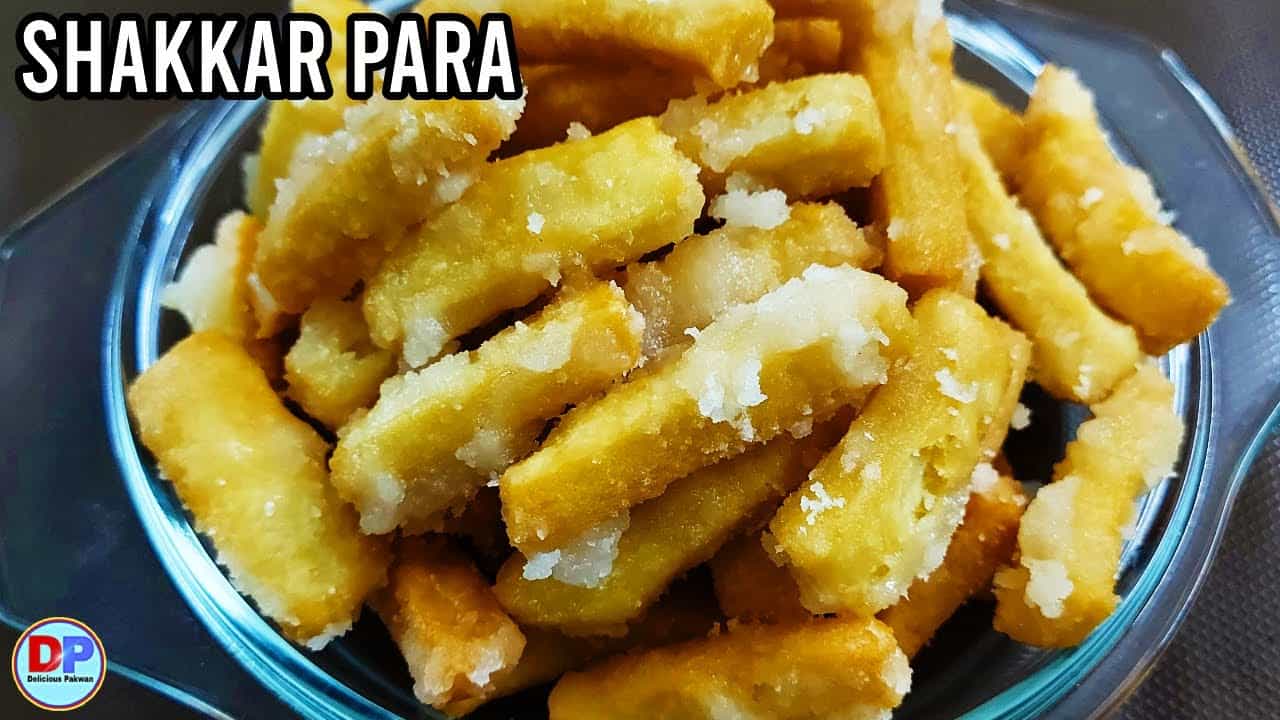
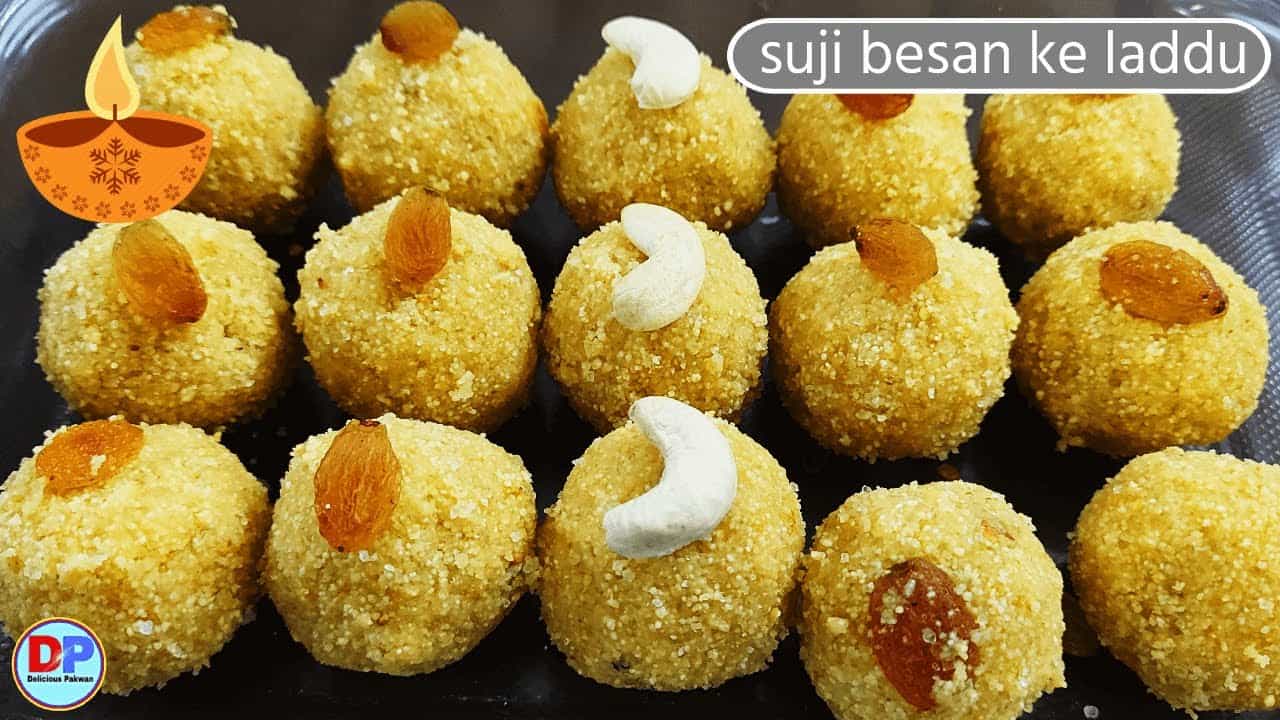

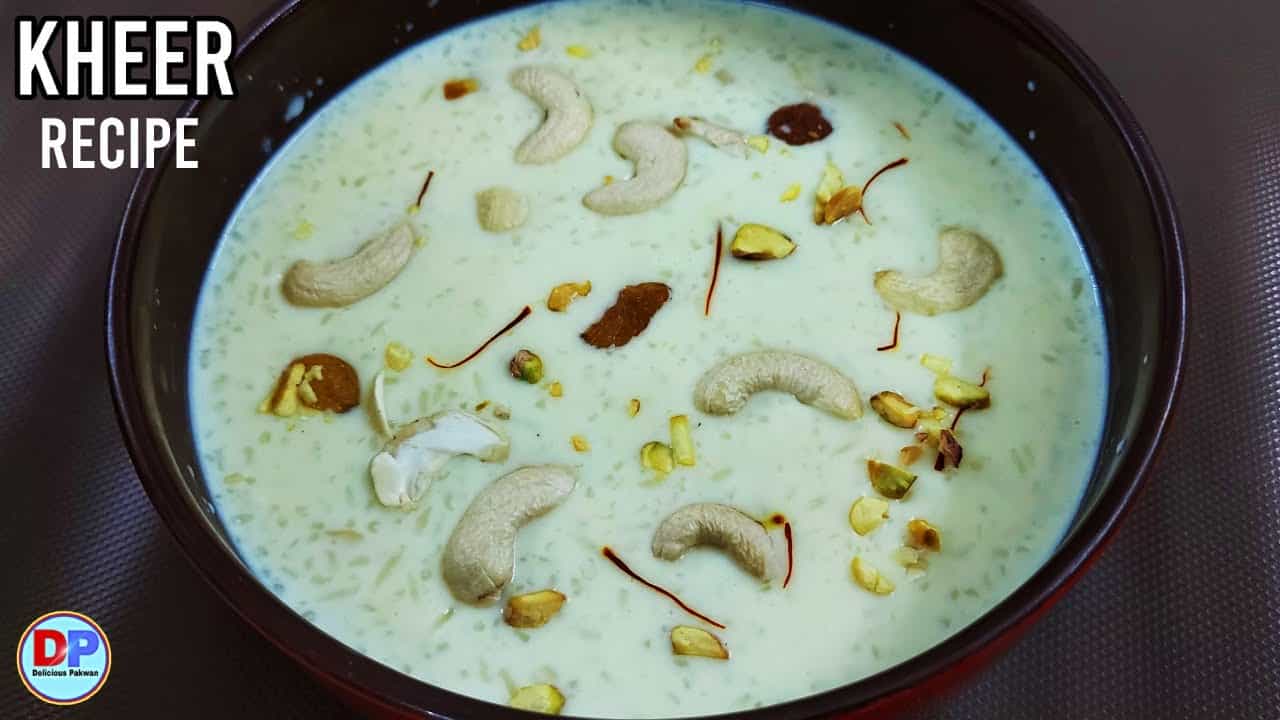
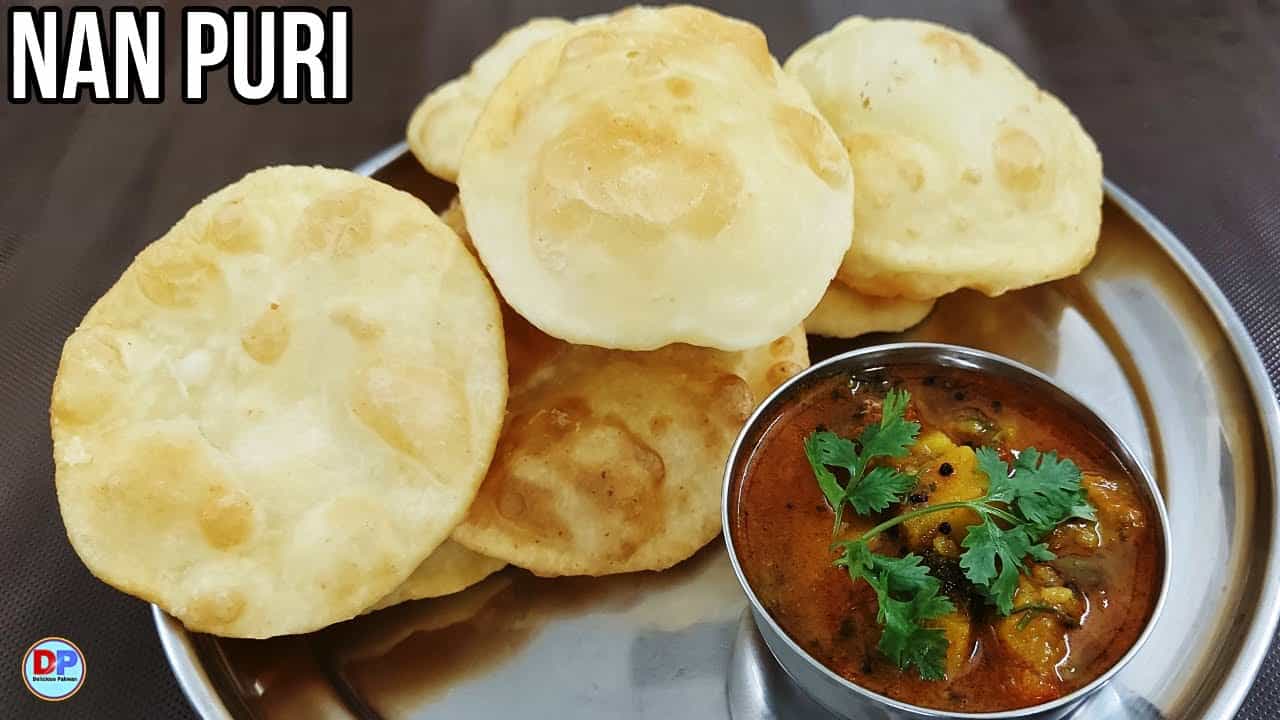
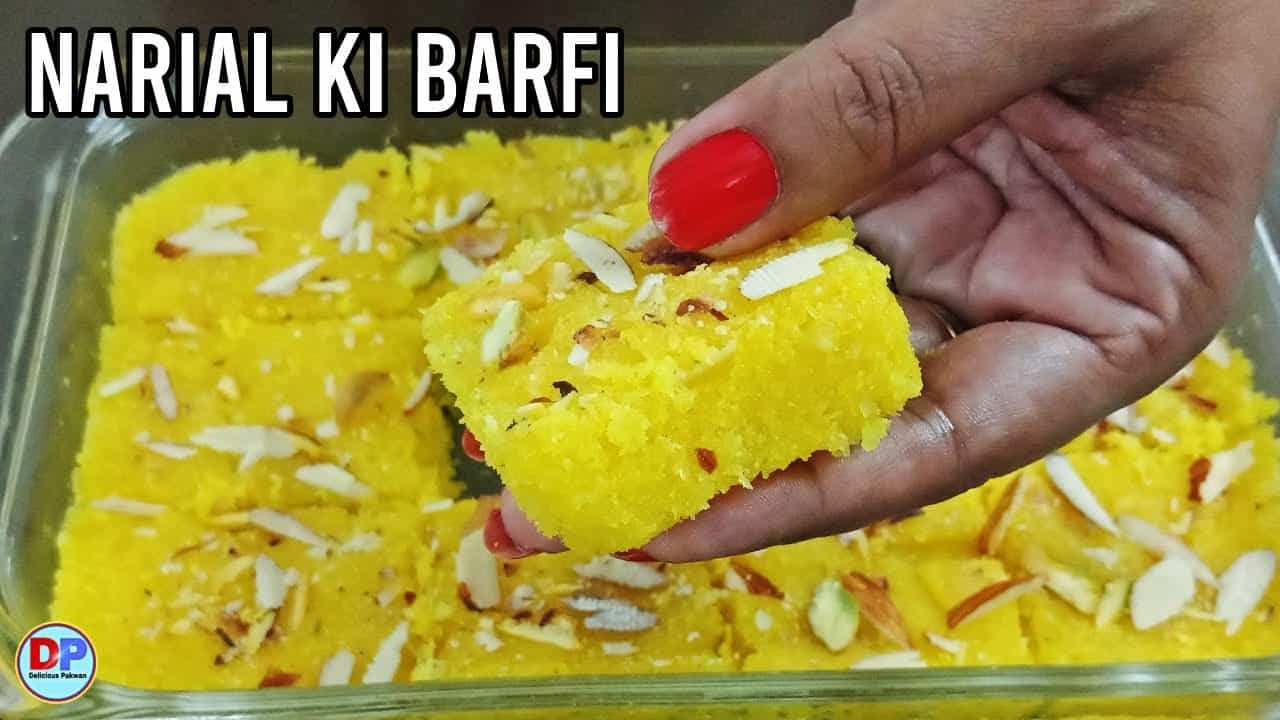
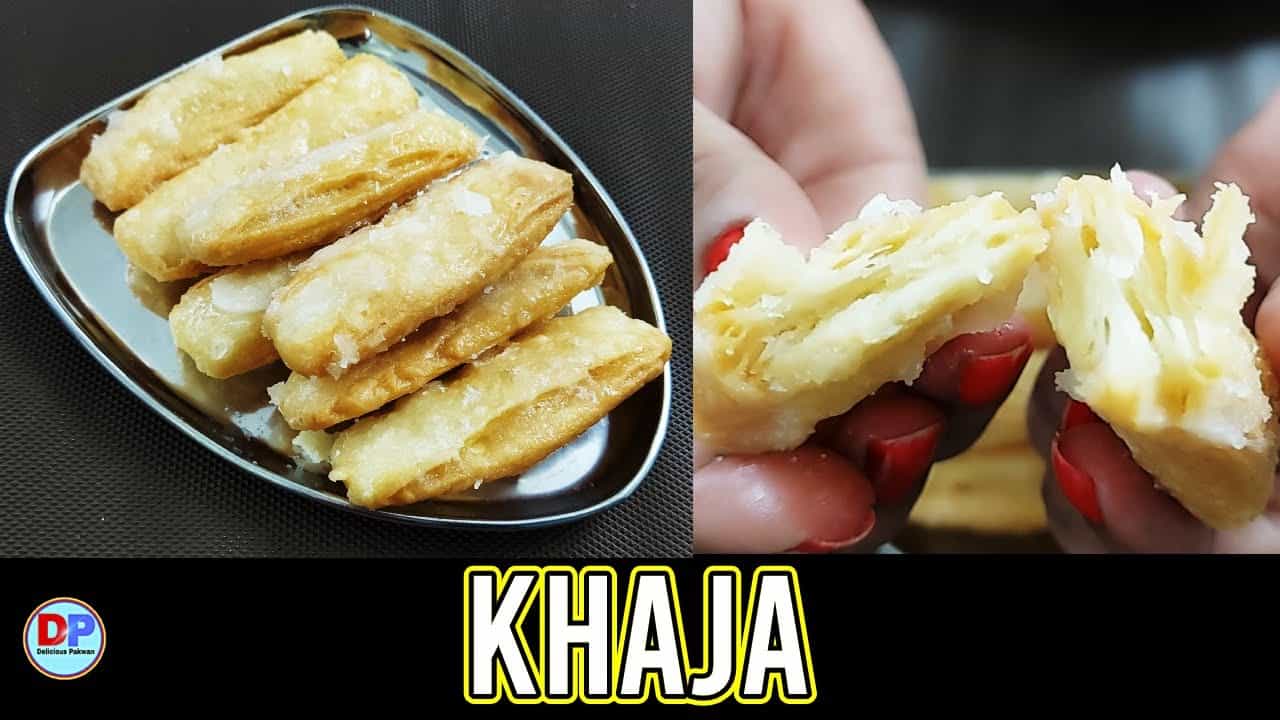
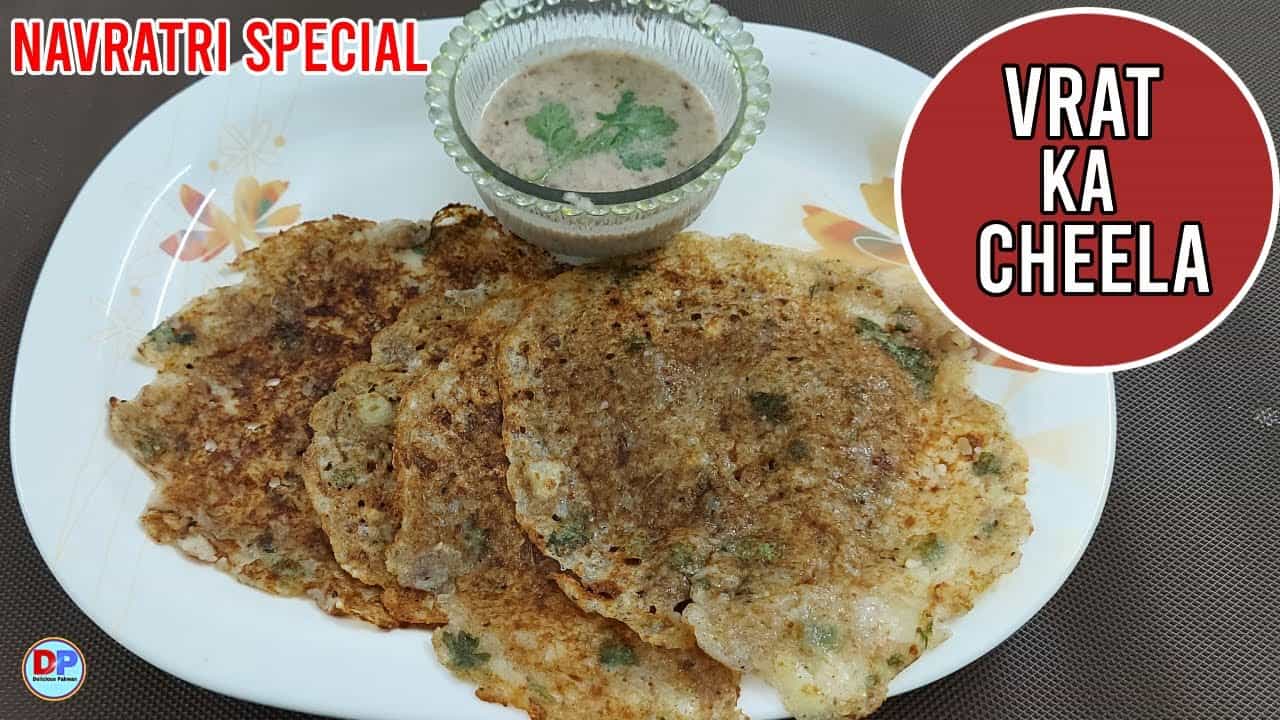
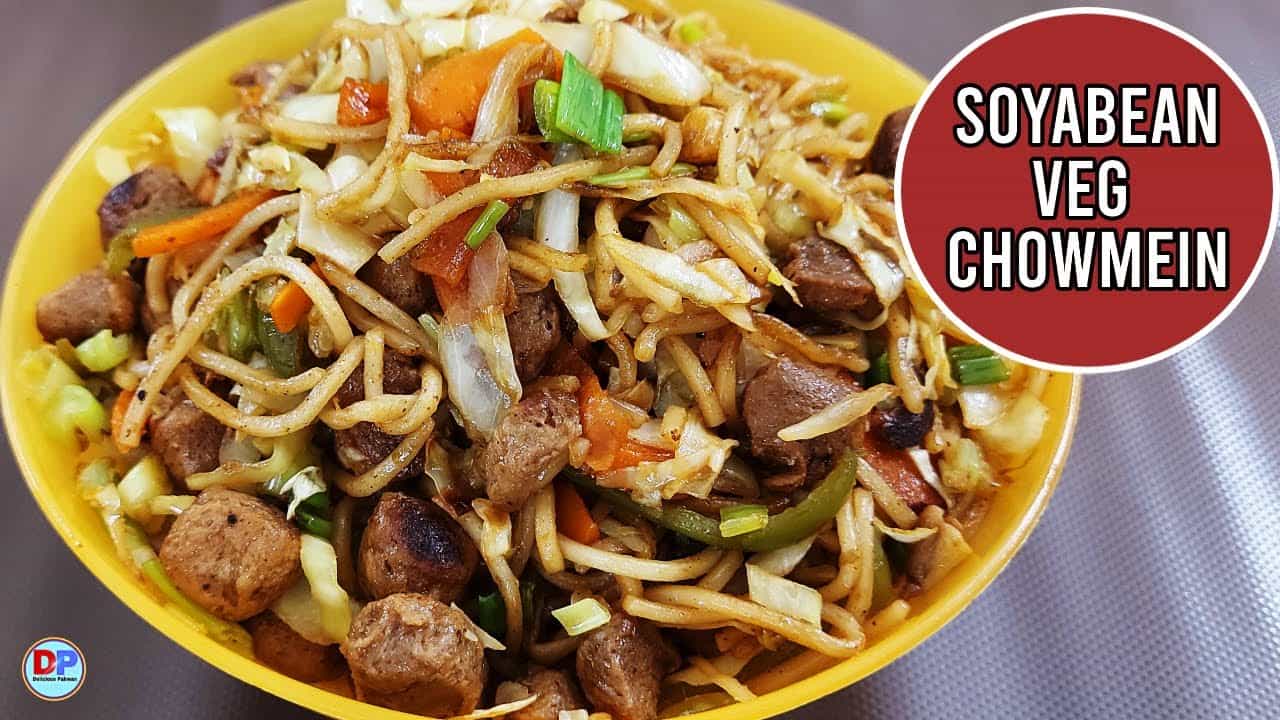
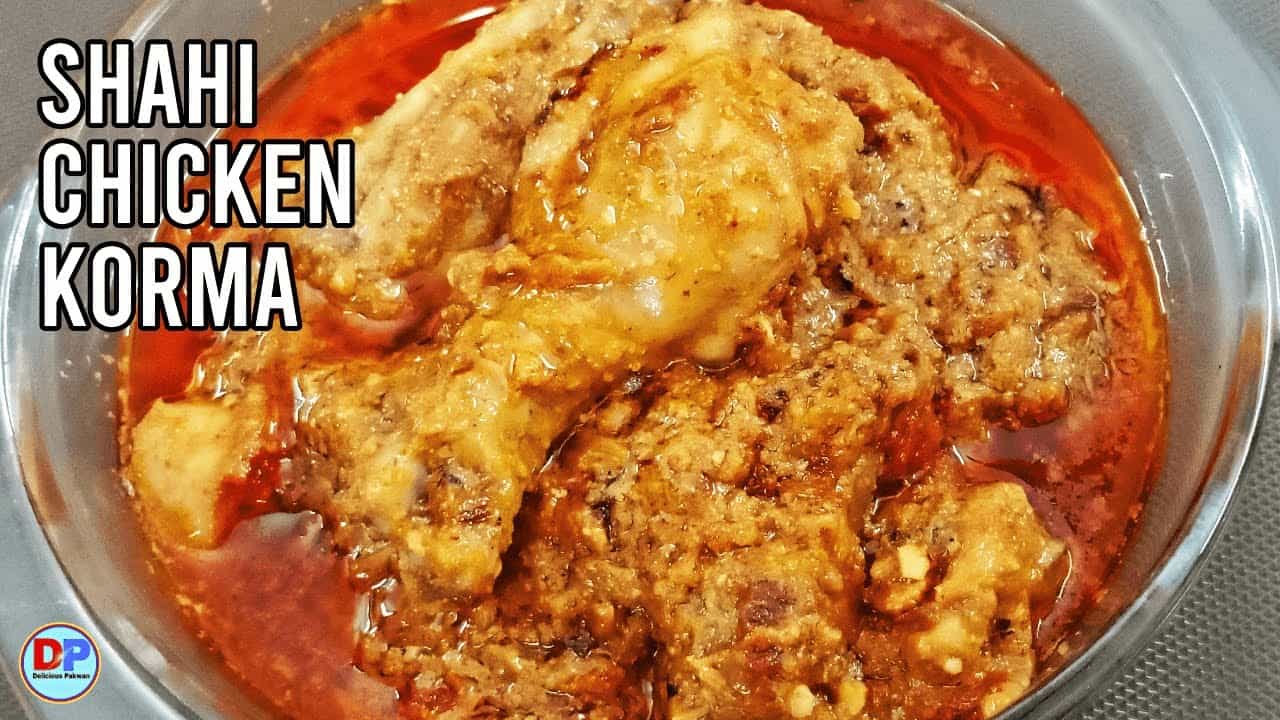
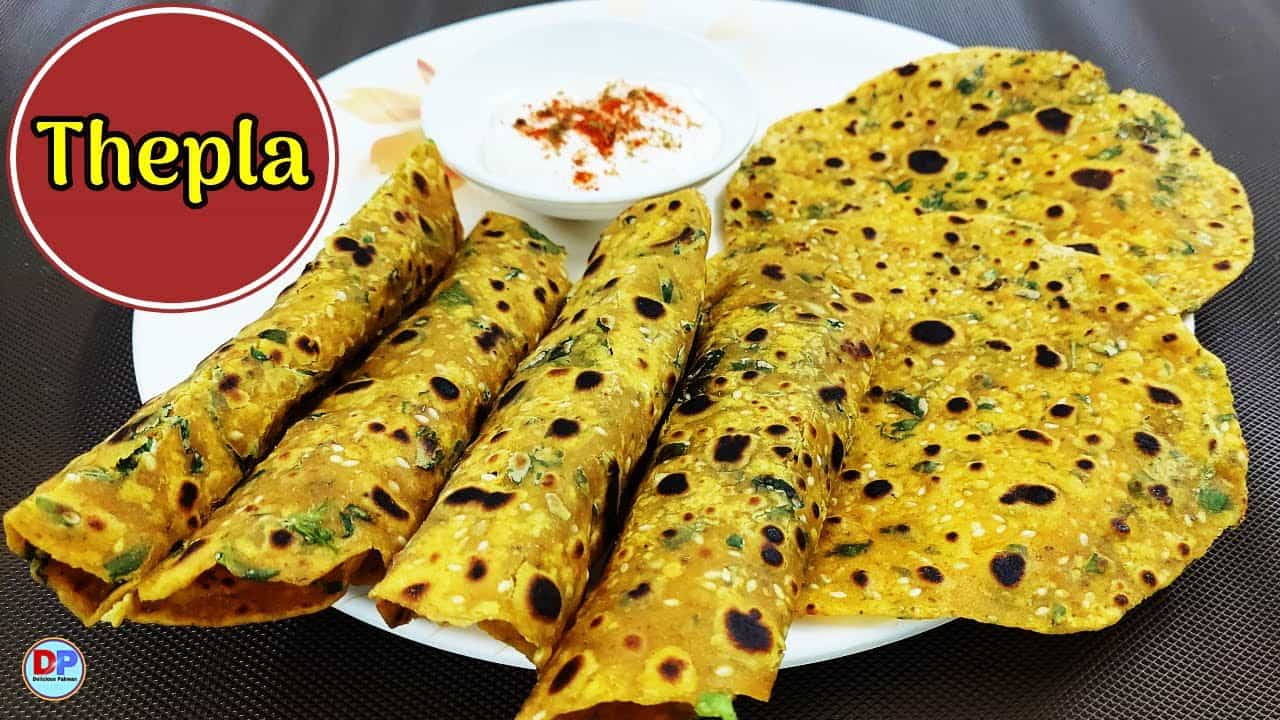
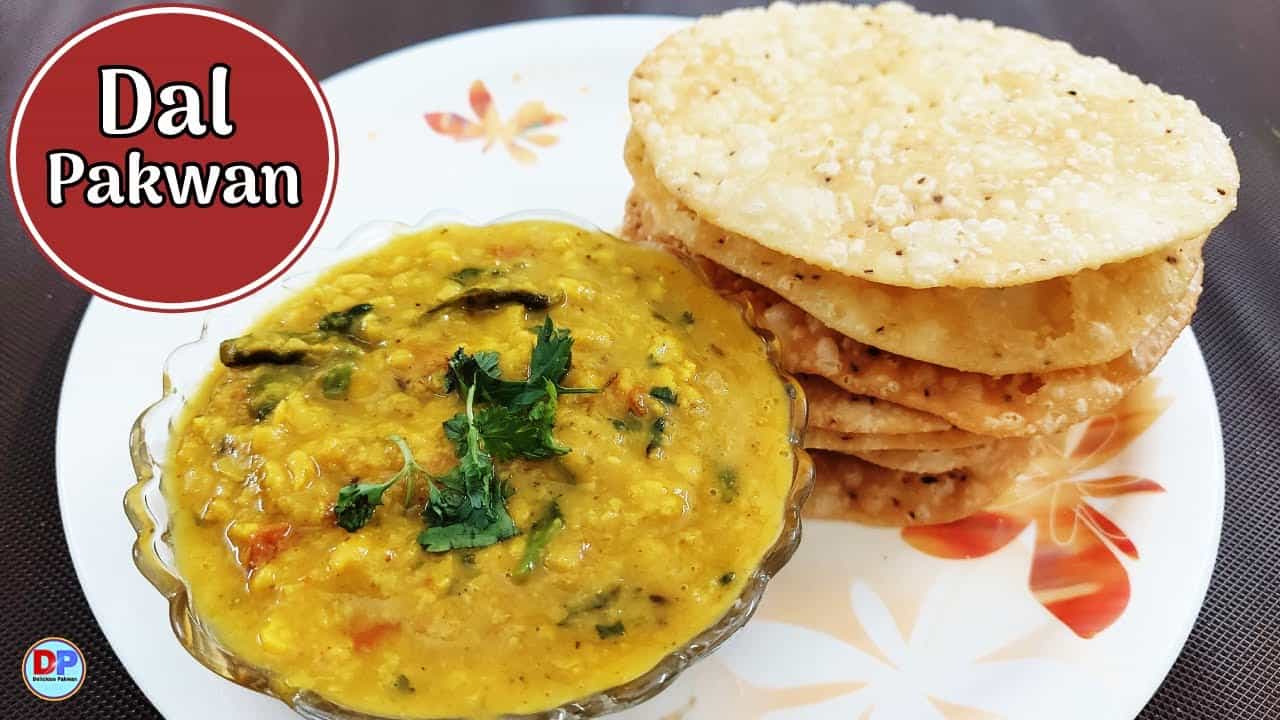
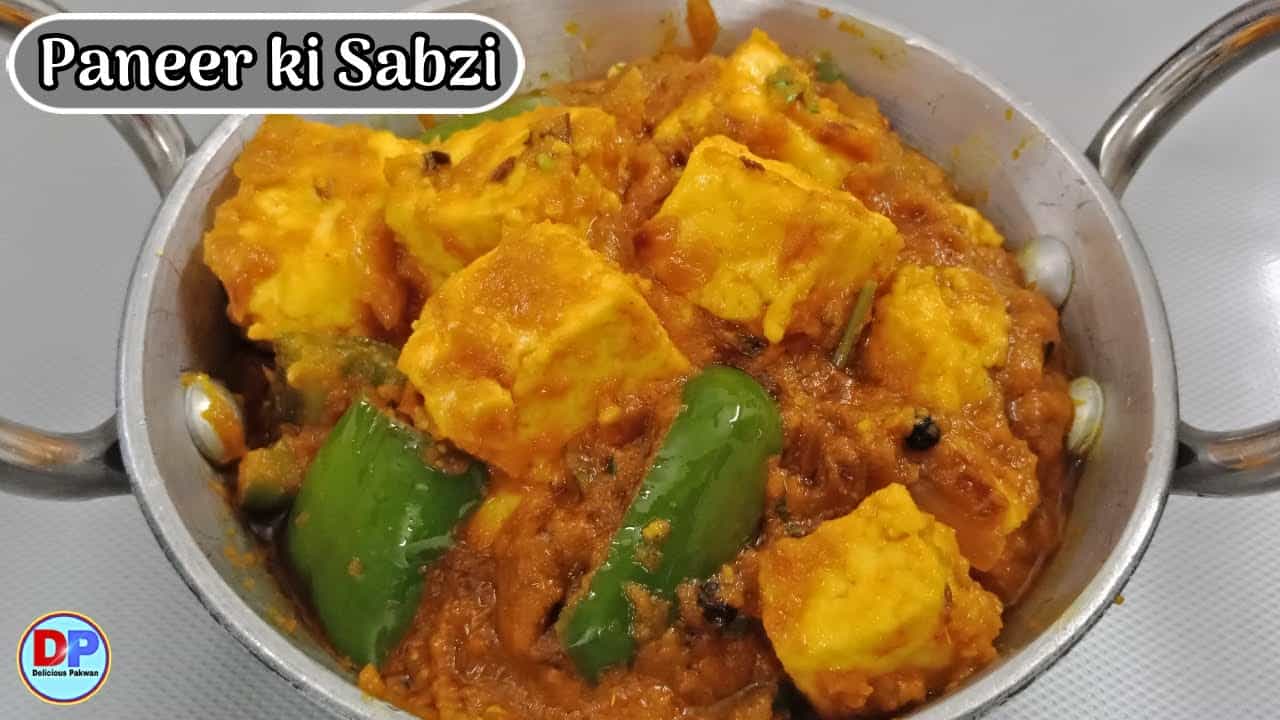
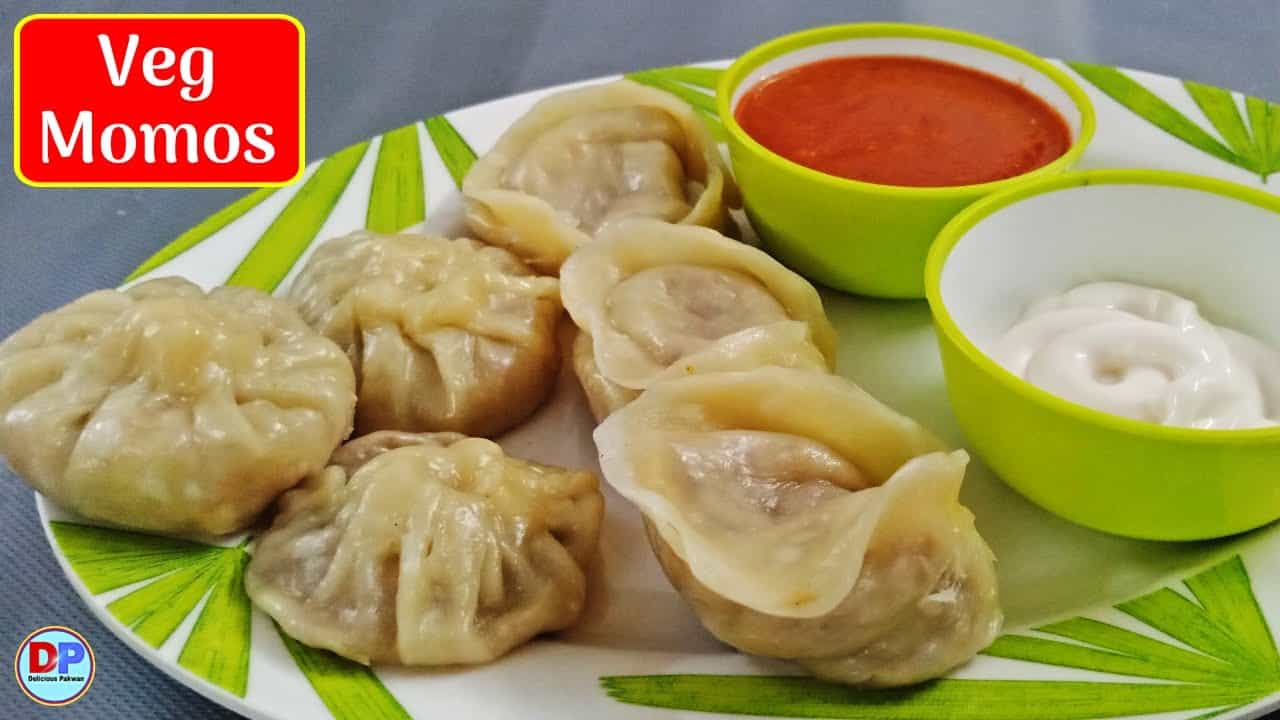
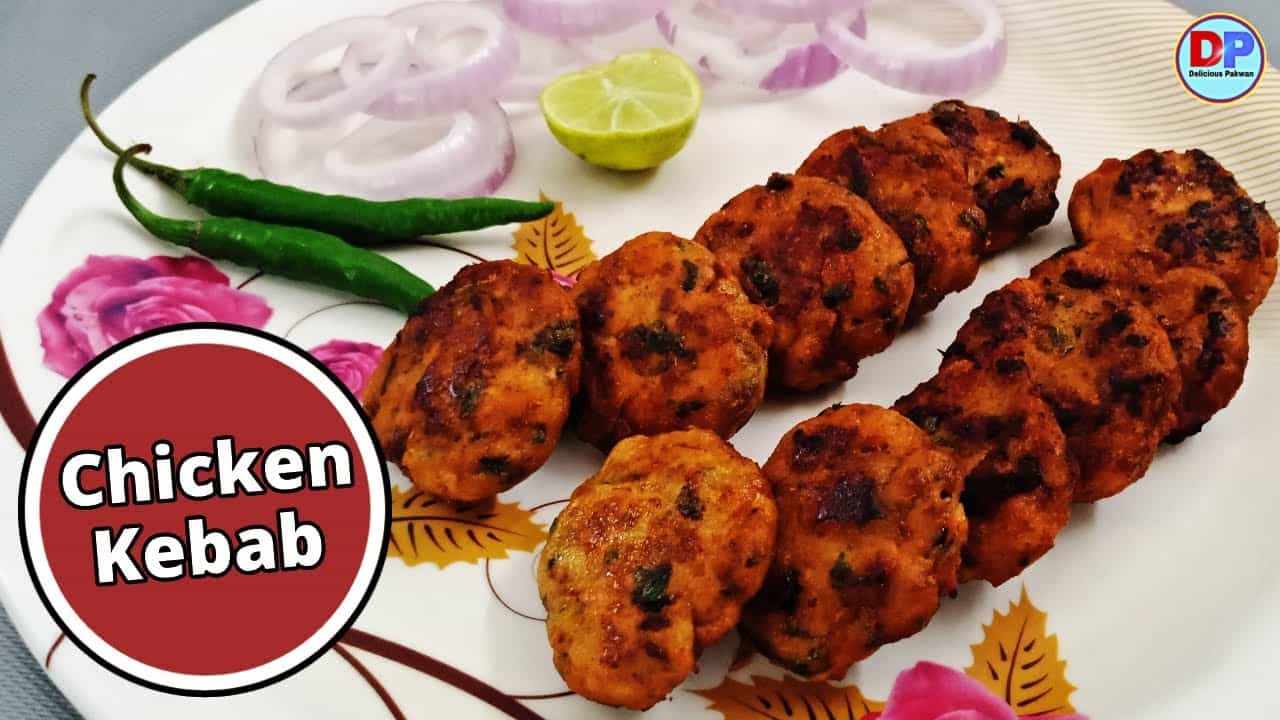
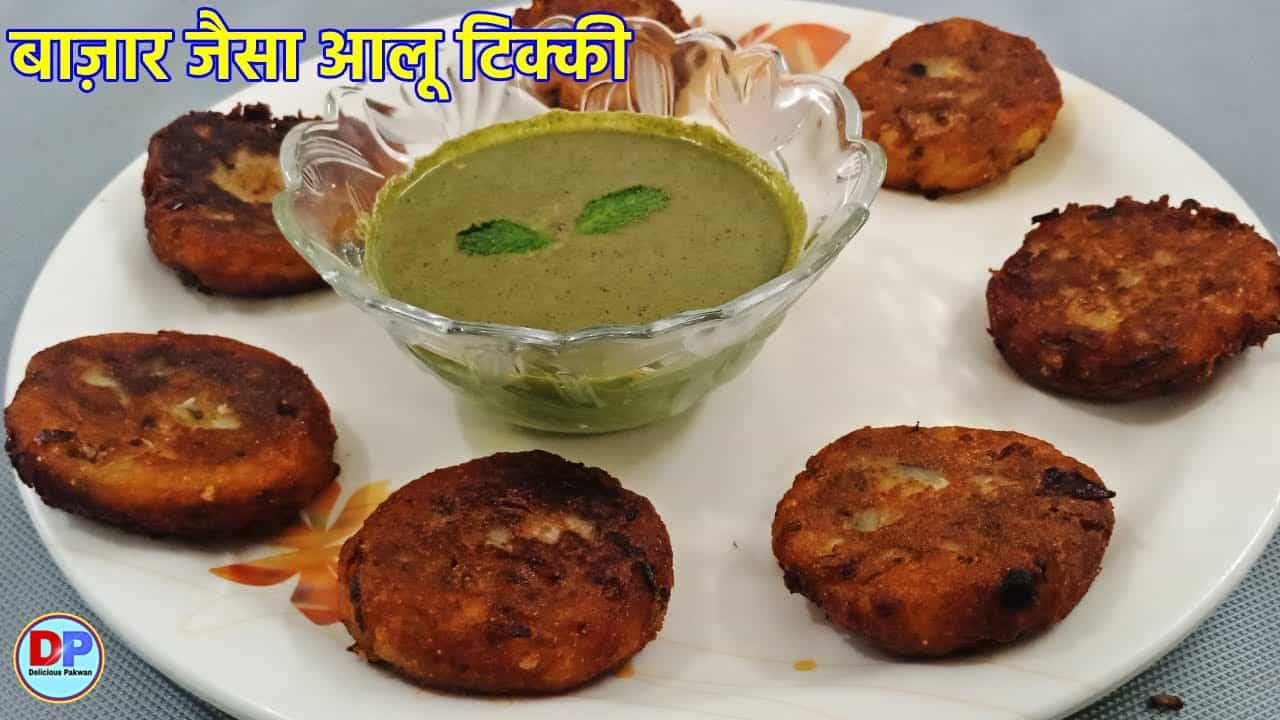
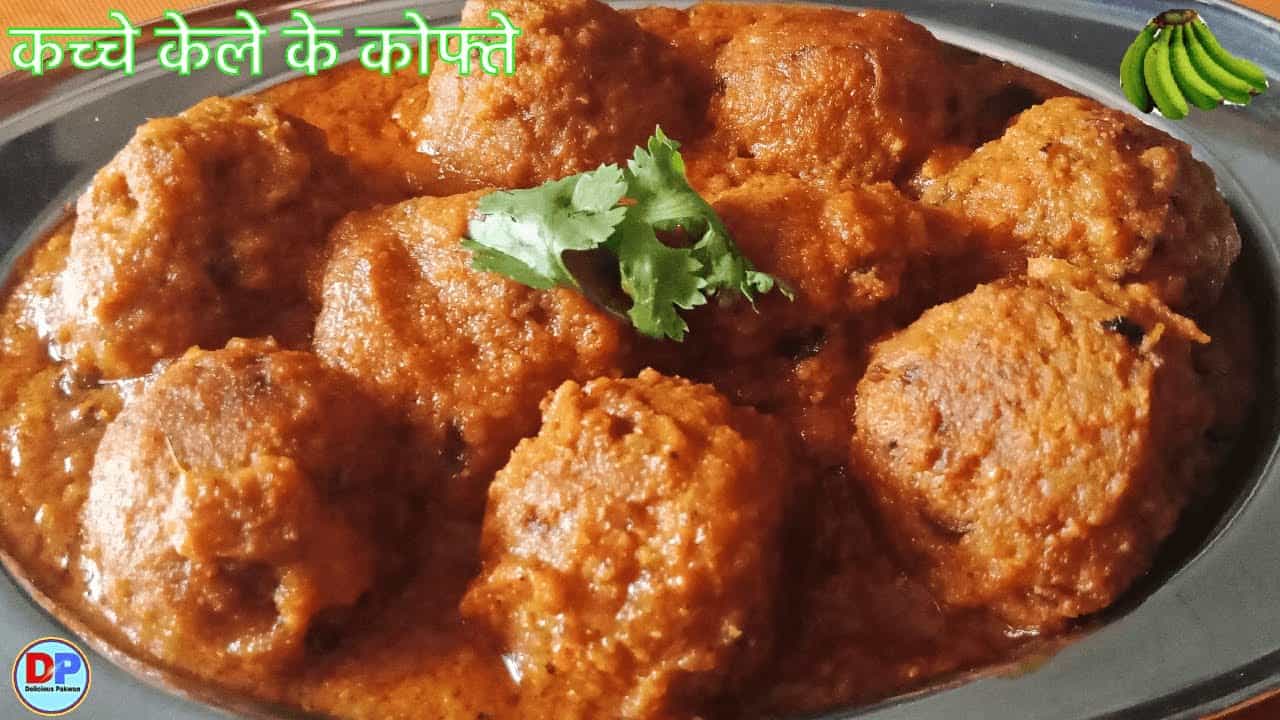
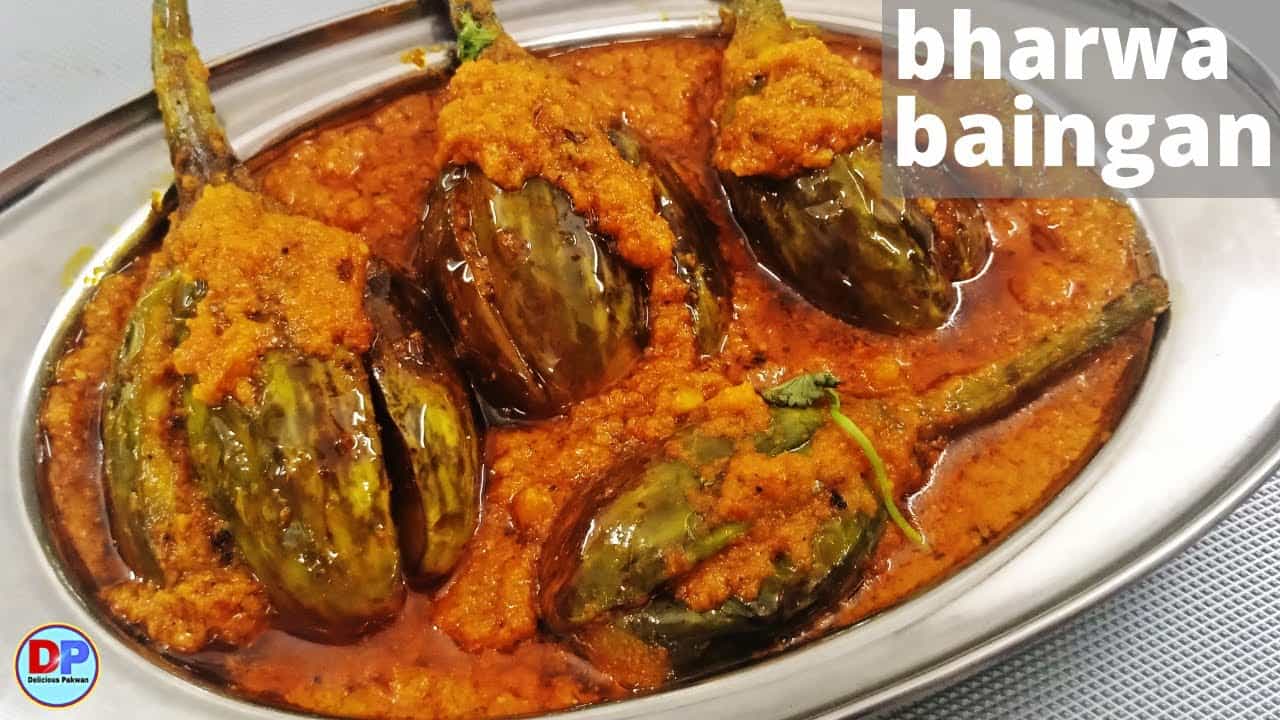
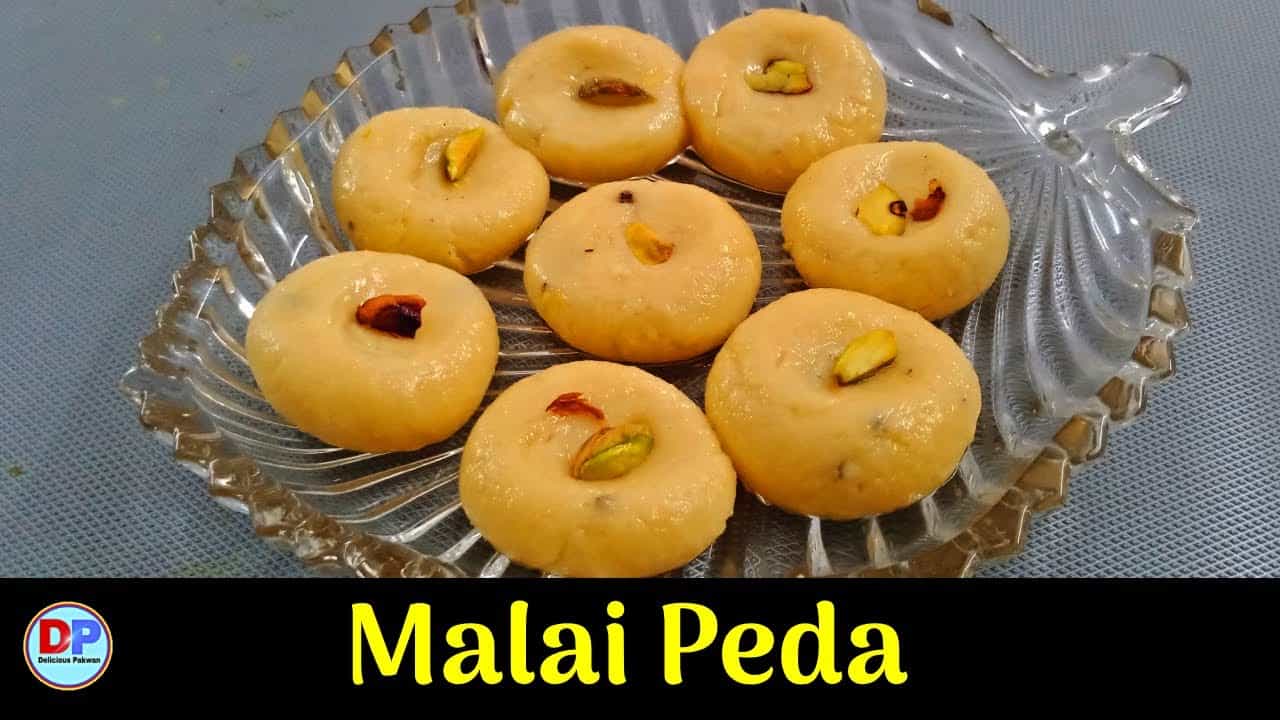
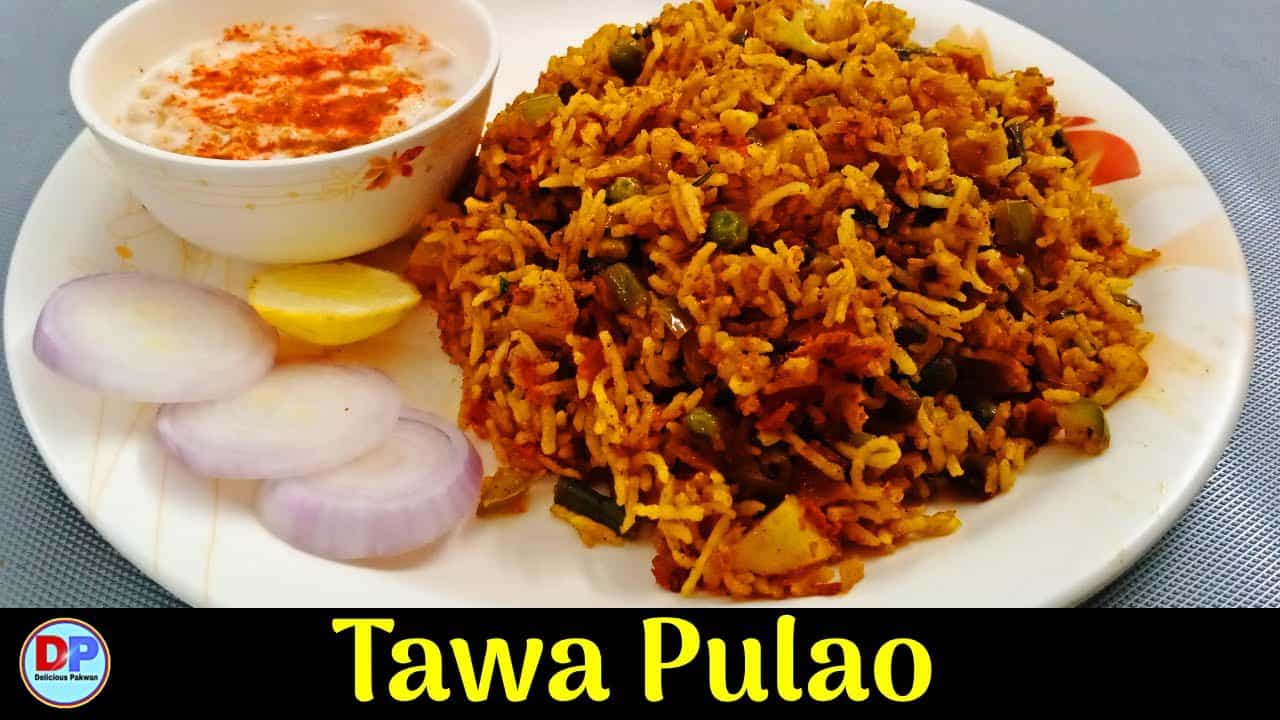
Showing 24 of 31 videos
Learn to temper whole spices in hot oil or ghee at the start of many recipes; timing matters — add delicate spices and aromatics later to preserve aroma and avoid burning.
Lightly roast whole spices and allow them to cool before grinding to preserve essential oils and retain a fresher masala flavour in gravies and stuffing.
For crisp tikkis, kebabs and chillas, drain excess water from grated vegetables or soaked ingredients and adjust binder amounts to prevent sogginess while maintaining tenderness.
When making peda, kheer or halwa, keep heat low and stir regularly to prevent milk solids from sticking or burning and to develop a smooth texture.
Restaurant flavours can be achieved by simplifying steps — prepare a concentrated masala base, finish with controlled simmering, and adjust spice level gradually to taste.
For sweets and large festive dishes, prepare components (like roasted flours, syrups or fillings) ahead of time to reduce last-minute work and ensure consistent quality.
The playlist includes regional mains, snacks, starters, restaurant-style gravies, rice dishes and a variety of sweets. It covers both vegetarian and non-vegetarian preparations as well as festival and fasting-friendly recipes.
Yes. Several videos demonstrate foundational techniques such as tempering spices, basic masala preparation and shallow frying. The collection is designed to be approachable for cooks who want clear, step-by-step guidance.
Festival-focused recipes in the playlist include labeled Diwali sweets and Navratri-friendly preparations. These videos show both sweets and savory items appropriate for celebrations.
Common tools used across the recipes include a tawa (flat griddle), kadhai (wok-style pan), frying pan or skillet, a deep pot or saucepan and basic mixing bowls. A rolling pin is useful for flatbreads and puris.
Adjust heat gradually and taste as you go. If a dish is too spicy, add a cooling element such as yoghurt, a splash of cream or a starchy side (rice or roti). If it is too mild, finish with a small pinch of garam masala or a quick tempering to lift flavors.
Store cooked mains and gravies in airtight containers in the refrigerator for 2–3 days. Sweets made with milk should be refrigerated and consumed within a few days. For fried snacks, re-crisp gently on a skillet or in a hot oven rather than microwaving to preserve texture.